THE ADVENTURE COLLECTIVE® · Independent discovery and booking for outdoor travel

A compact, five-day trek in the Annapurna foothills that delivers a sunrise panorama from Poon Hill, traditional Gurung and Magar villages, and rhododendron forests. Ideal for hikers seeking big Himalayan views without high-altitude technicality.
A compact, five-day trek in the Annapurna foothills that delivers a sunrise panorama from Poon Hill, traditional Gurung and Magar villages, and rhododendron forests. Ideal for hikers seeking big Himalayan views without high-altitude technicality.
You wake before dawn, headlamp haloing the stone steps as a cold mountain air pushes at your jacket. The trail climbs through rhododendron and oak, locals’ terraces slipping away beneath the contour of the valley. By the time you reach Poon Hill, the sun pries color from the Annapurna and Dhaulagiri ridgelines; the mountains push themselves into view, unapologetic and vast.
Verified experiences and guided adventures in the surrounding area.
Operated by Himalayan Abode travels and Tours, Treks and Expedition · Ghorepani, Gandaki Province
You wake before dawn, headlamp haloing the stone steps as a cold mountain air pushes at your jacket. The trail climbs through rhododendron and oak, locals’ terraces slipping away beneath the contour of the valley. By the time you reach Poon Hill, the sun pries color from the Annapurna and Dhaulagiri ridgelines; the mountains push themselves into view, unapologetic and vast.
The route is short by Himalayan standards but rich in culture. The track threads Gurung and Magar villages where stone teahouses serve dal bhat, and centuries-old terrace farming shapes the slopes. Geologically this is the southern edge of the Greater Himalaya — folded, uplifted shale and granite that form sharp ridges and deep river-cut valleys. Birdsong and the occasional barking deer punctuate the ascent; terraced fields and mani walls mark human history on the hillside.
Expect steady uphill approaches, stone staircases, and stretchier forested ridges between lodges. Mornings here are cold and crystalline; afternoons can be warm when the sun turns the valley green. Pacing is deliberate: ascend with short breaks, hydrate frequently, and save energy for the Poon Hill sunrise push at ~3,200–3,210 m.
Practicalities: the classic itinerary runs five days, starting with a drive from Pokhara to Nayapul, trekking through Ghorepani and Ghandruk, and finishing back in Pokhara. Lodges are basic but comfortable; National Park fees apply. Carry layered clothing, good boots, and a small first-aid kit. With modest fitness, this trek delivers big mountain views and reliable cultural encounters in a compact, accessible package.
moderate.
5 days.
Suitable for hikers with regular cardiovascular fitness; expect daily walks of 5–7 hours and sustained elevation gain.
The route is considered moderate; there are long uphill sections but no technical climbing—good base fitness and steady pacing are sufficient.
Guides are common and helpful for logistics and cultural context; porters are optional if you prefer to carry less weight.
Visitors must pay Annapurna Conservation Area Project (ACAP) fees and show ID—these are commonly included in organized treks but confirm before departure.
Spring (March–May) and autumn (Sept–Nov) offer the clearest mountain views and stable weather, though winter brings quieter trails and snow at higher elevations.
Ghorepani and surrounding villages are historically Magar and Gurung settlements—ethnic groups known for terrace farming and unique music and dance traditions that date back centuries.
The trek passes through the Annapurna Conservation Area; stick to marked trails, minimize single-use plastic, and support local lodges to help maintain trails and community livelihoods.
Himalayan Abode travels and Tours, Treks and Expedition operates guided outdoor trips and adventures with an emphasis on safety, stewardship, and memorable experiences.
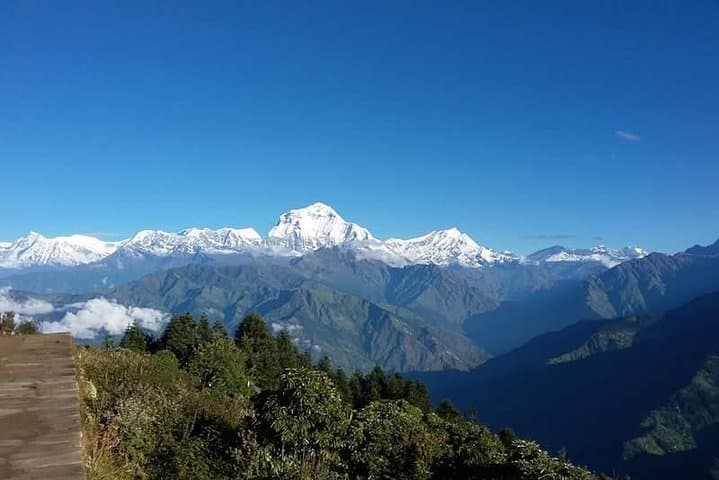
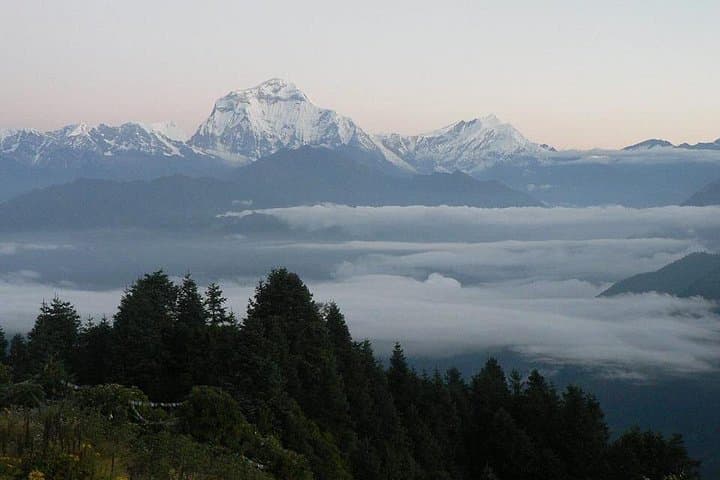
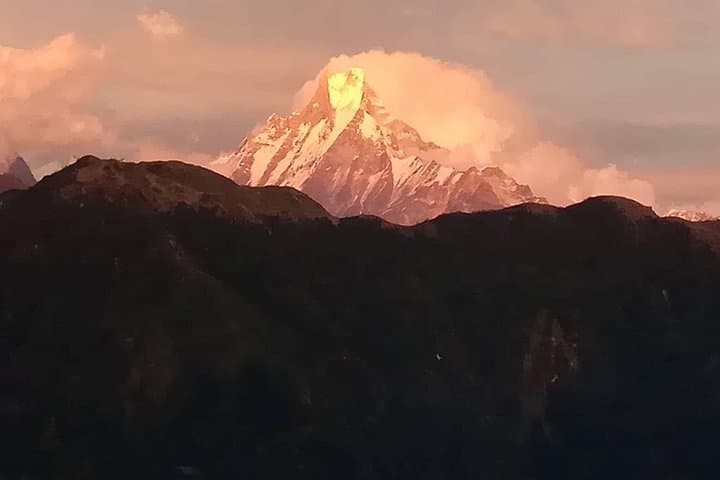
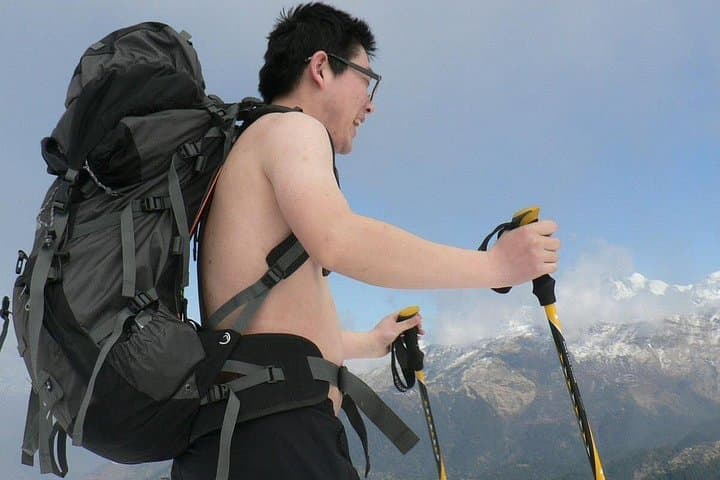
You wake before dawn, headlamp haloing the stone steps as a cold mountain air pushes at your jacket. The trail climbs through rhododendron and oak, locals’ terraces slipping away beneath the contour of the valley. By the time you reach Poon Hill, the sun pries color from the Annapurna and Dhaulagiri ridgelines; the mountains push themselves into view, unapologetic and vast.
You wake before dawn, headlamp haloing the stone steps as a cold mountain air pushes at your jacket. The trail climbs through rhododendron and oak, locals’ terraces slipping away beneath the contour of the valley. By the time you reach Poon Hill, the sun pries color from the Annapurna and Dhaulagiri ridgelines; the mountains push themselves into view, unapologetic and vast.
The route is short by Himalayan standards but rich in culture. The track threads Gurung and Magar villages where stone teahouses serve dal bhat, and centuries-old terrace farming shapes the slopes. Geologically this is the southern edge of the Greater Himalaya — folded, uplifted shale and granite that form sharp ridges and deep river-cut valleys. Birdsong and the occasional barking deer punctuate the ascent; terraced fields and mani walls mark human history on the hillside.
Expect steady uphill approaches, stone staircases, and stretchier forested ridges between lodges. Mornings here are cold and crystalline; afternoons can be warm when the sun turns the valley green. Pacing is deliberate: ascend with short breaks, hydrate frequently, and save energy for the Poon Hill sunrise push at ~3,200–3,210 m.
Practicalities: the classic itinerary runs five days, starting with a drive from Pokhara to Nayapul, trekking through Ghorepani and Ghandruk, and finishing back in Pokhara. Lodges are basic but comfortable; National Park fees apply. Carry layered clothing, good boots, and a small first-aid kit. With modest fitness, this trek delivers big mountain views and reliable cultural encounters in a compact, accessible package.