THE ADVENTURE COLLECTIVE® · Independent discovery and booking for outdoor travel

Short, accessible and panoramic, the Ghorepani Poon Hill trek delivers a classic Annapurna sunrise and a taste of Gurung and Magar village life. This 6–7 day route combines steep stone steps, rhododendron forests, and layered mountain views—ideal for trekkers seeking a compact Himalayan experience.
Short, accessible and panoramic, the Ghorepani Poon Hill trek delivers a classic Annapurna sunrise and a taste of Gurung and Magar village life. This 6–7 day route combines steep stone steps, rhododendron forests, and layered mountain views—ideal for trekkers seeking a compact Himalayan experience.
Book with Adventure World Club
Book directly with Adventure World Club for the best rates and real-time scheduling.
Reserve NowVerified experiences and guided adventures in the surrounding area.
Operated by Adventure World Club · Ghorepani, Gandaki Province
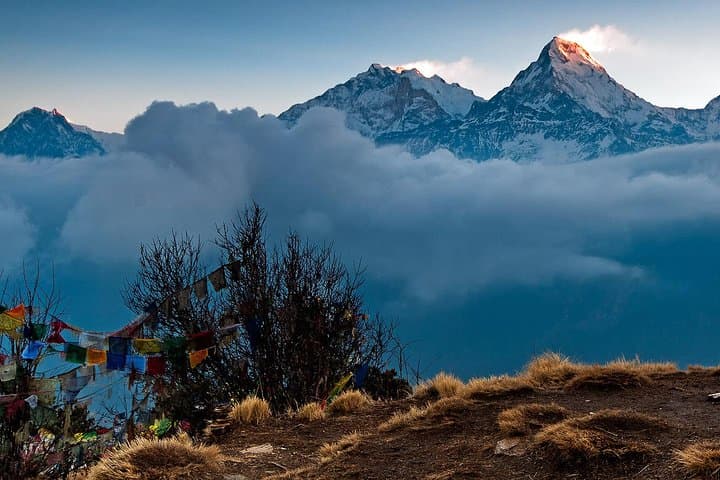
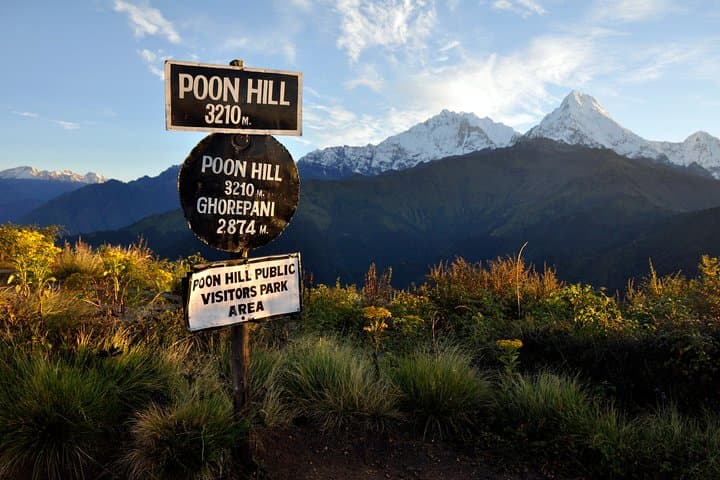
Dawn pulls at the ridge above Ghorepani and the sky hardens from violet to gold. You rise before most guests, breath visible in the cold air, and walk the short switchback to Poon Hill where a ring of peaks—Annapurna South, Machhapuchhre, Dhaulagiri—slice the horizon. The sunrise is the reason most come: light crawling over serrated snow and valleys below that still hold the night.
moderate.
6–7 days.
Good basic fitness for 3–6 hours of walking per day and sustained stair climbs; prior day hikes helpful.
Yes—trekkers need an Annapurna Conservation Area Permit (ACAP) and a Trekkers’ Information Management System (TIMS) card; guides typically arrange these before departure.
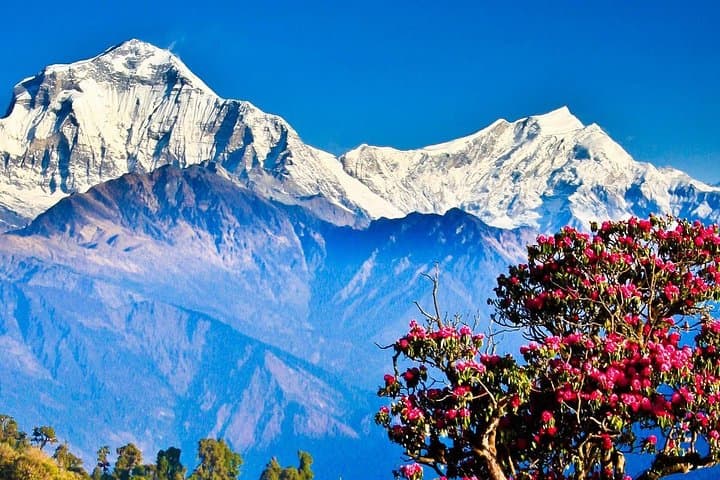
October–November and March–April offer the clearest mountain views and stable weather; spring also brings rhododendron blooms.
Poon Hill reaches about 3,193 m, so major acclimatization isn’t usually required on this short itinerary, but ascend at a steady pace and watch for mild altitude symptoms.
Tea houses are simple but functional—private rooms and shared dorms exist, with hot meals available; expect basic plumbing and bring small-denomination cash.
The route links traditional Magar and Gurung villages once used for salt and grain trade; tea-house culture developed with trekking in the late 20th century.
The Annapurna Conservation Area limits development and requires permits—support local lodges, minimize plastic, and stick to existing trails to reduce erosion.
Adventure World Club operates guided outdoor trips and adventures with an emphasis on safety, stewardship, and memorable experiences.
Book with Adventure World Club
Book directly with Adventure World Club for the best rates and real-time scheduling.
Reserve Now