THE ADVENTURE COLLECTIVE® · Independent discovery and booking for outdoor travel

Short, accessible and spectacular, the Ghorepani Poon Hill Trek delivers sunrise panoramas of Annapurna, traditional Gurung villages and rhododendron forests in a compact 7–12 day circuit. Plan early starts, sturdy boots and time in Pokhara for acclimatization.
Short, accessible and spectacular, the Ghorepani Poon Hill Trek delivers sunrise panoramas of Annapurna, traditional Gurung villages and rhododendron forests in a compact 7–12 day circuit. Plan early starts, sturdy boots and time in Pokhara for acclimatization.
You rise before dawn on a cold terrace in Ghorepani, breath fogging in the lamp-light. The trail underfoot is packed earth and stone steps; headlamps bob as small groups move uphill toward Poon Hill. When the horizon brightens, Annapurna’s jagged silhouette steals into view—Dhaulagiri to the west, Annapurna massif ahead, Manaslu distant to the northeast—each peak catching the first slices of light.
Verified experiences and guided adventures in the surrounding area.
Operated by Sunrise Adventure Trek P. Ltd · Ghorepani, Gandaki Province
You rise before dawn on a cold terrace in Ghorepani, breath fogging in the lamp-light. The trail underfoot is packed earth and stone steps; headlamps bob as small groups move uphill toward Poon Hill. When the horizon brightens, Annapurna’s jagged silhouette steals into view—Dhaulagiri to the west, Annapurna massif ahead, Manaslu distant to the northeast—each peak catching the first slices of light.
The route follows centuries-old mule tracks and passes through changing zones: terraced paddy fields at lower elevations, rhododendron and oak forests, then silver fir and pine as you climb to 3,210 m. Villages like Ulleri, Ghorepani and Ghandruk showcase Gurung culture—stone houses, carved wooden windows and hospitality in family-run lodges. Geologically, these ridgelines are the young Himalaya: steep, folded sedimentary layers pushed skyward by the Indian plate.
Expect full-day walks of 4–7 hours between lodges, stony steps and occasional stream crossings. Sunrise at Poon Hill is the marquee moment but smaller rewards appear along the way—waterfalls, quiet terraces, and rhododendron stands that blaze in spring. Altitude is moderate but real; acclimatize in Pokhara or take an extra rest day if you’re new to the hills.
Practical notes: pack layered insulation, sturdy boots and a warm hat for pre-dawn climbs; drink frequently and carry cash for teahouse snacks and tips. Start early for sunrise crowds, respect local customs in Gurung villages, and allow a flexible schedule—weather and legs decide the pace. This short Annapurna circuit is compact in distance but rich in landscape, culture and high-mountain light.
moderate.
7–12 days.
Moderate fitness; regular walkers who handle stair-like ascents and multi-hour days will be comfortable
Poon Hill is about 3,210 m (10,531 ft). Altitude is moderate—most trekkers acclimatize fine, but watch for symptoms and allow an extra rest day if needed.
Spring (March–May) and autumn (Sept–Nov) offer clear views and rhododendron blooms or stable weather; monsoon brings lush forests but heavier rain.
Yes—simple lodges provide meals and beds in Ghorepani, Ghandruk and intermediate villages; carry cash for purchases and tips.
You need a TIMS card and Annapurna Conservation Area permit. Local agencies usually provide guides and porters; guides are recommended for navigation and cultural context.
Ghorepani and Ghandruk were traditional mule and porter stops on trade routes and are home to Gurung communities known for distinct architecture and cultural performances.
The trek passes through the Annapurna Conservation Area—support local lodges, avoid single-use plastics and stay on marked trails to reduce erosion and wildlife disturbance.
Sunrise Adventure Trek P. Ltd operates guided outdoor trips and adventures with an emphasis on safety, stewardship, and memorable experiences.
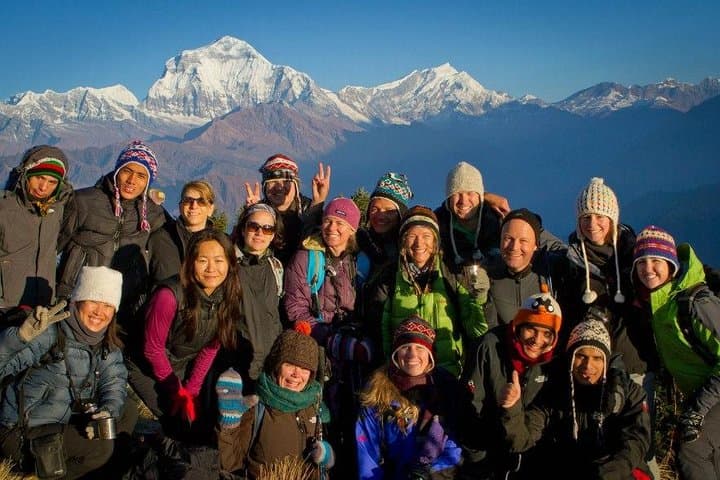
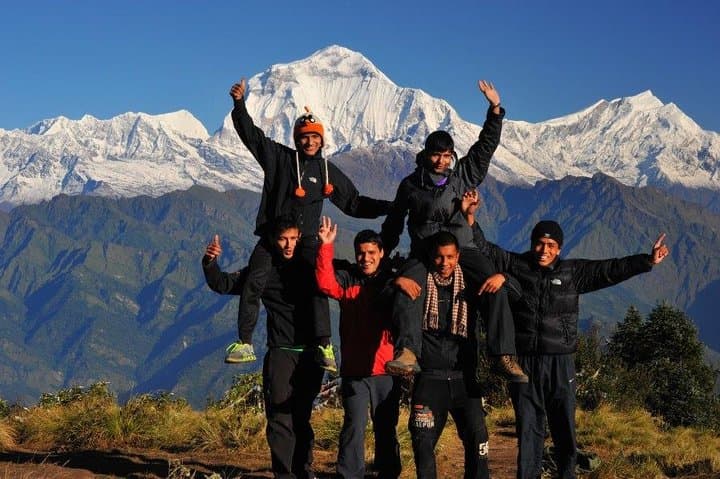
You rise before dawn on a cold terrace in Ghorepani, breath fogging in the lamp-light. The trail underfoot is packed earth and stone steps; headlamps bob as small groups move uphill toward Poon Hill. When the horizon brightens, Annapurna’s jagged silhouette steals into view—Dhaulagiri to the west, Annapurna massif ahead, Manaslu distant to the northeast—each peak catching the first slices of light.
You rise before dawn on a cold terrace in Ghorepani, breath fogging in the lamp-light. The trail underfoot is packed earth and stone steps; headlamps bob as small groups move uphill toward Poon Hill. When the horizon brightens, Annapurna’s jagged silhouette steals into view—Dhaulagiri to the west, Annapurna massif ahead, Manaslu distant to the northeast—each peak catching the first slices of light.
The route follows centuries-old mule tracks and passes through changing zones: terraced paddy fields at lower elevations, rhododendron and oak forests, then silver fir and pine as you climb to 3,210 m. Villages like Ulleri, Ghorepani and Ghandruk showcase Gurung culture—stone houses, carved wooden windows and hospitality in family-run lodges. Geologically, these ridgelines are the young Himalaya: steep, folded sedimentary layers pushed skyward by the Indian plate.
Expect full-day walks of 4–7 hours between lodges, stony steps and occasional stream crossings. Sunrise at Poon Hill is the marquee moment but smaller rewards appear along the way—waterfalls, quiet terraces, and rhododendron stands that blaze in spring. Altitude is moderate but real; acclimatize in Pokhara or take an extra rest day if you’re new to the hills.
Practical notes: pack layered insulation, sturdy boots and a warm hat for pre-dawn climbs; drink frequently and carry cash for teahouse snacks and tips. Start early for sunrise crowds, respect local customs in Gurung villages, and allow a flexible schedule—weather and legs decide the pace. This short Annapurna circuit is compact in distance but rich in landscape, culture and high-mountain light.