THE ADVENTURE COLLECTIVE® · Independent discovery and booking for outdoor travel

A short, classic Annapurna trek that peaks at Poon Hill for sunrise over Annapurna and Dhaulagiri. Over nine days you’ll move from subtropical valleys to high ridgelines, passing Gurung villages and rhododendron forests with easy tea-house logistics.
A short, classic Annapurna trek that peaks at Poon Hill for sunrise over Annapurna and Dhaulagiri. Over nine days you’ll move from subtropical valleys to high ridgelines, passing Gurung villages and rhododendron forests with easy tea-house logistics.
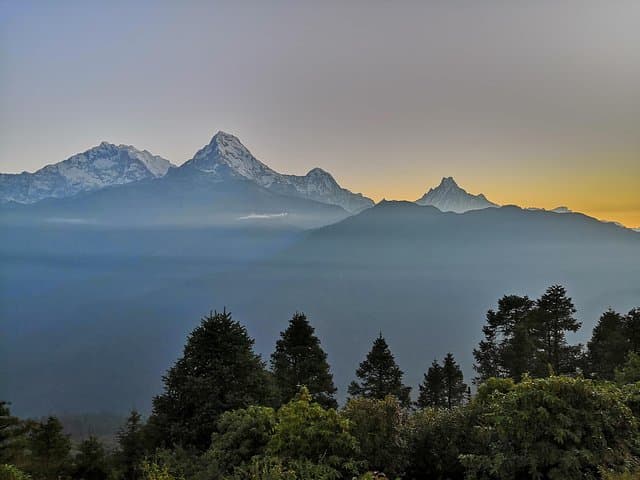
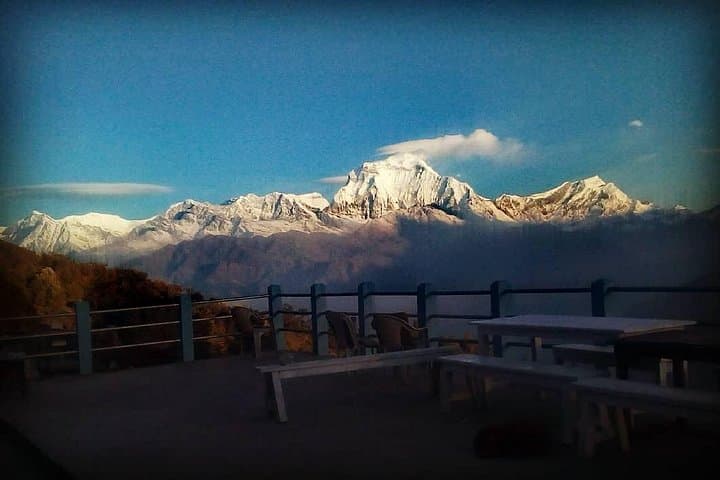
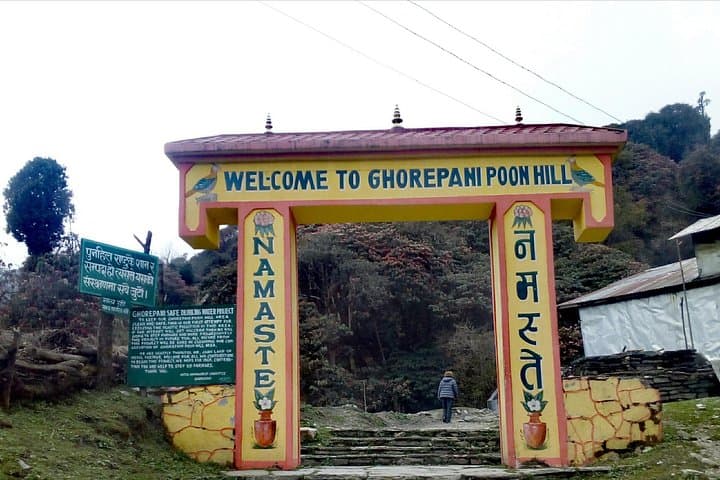
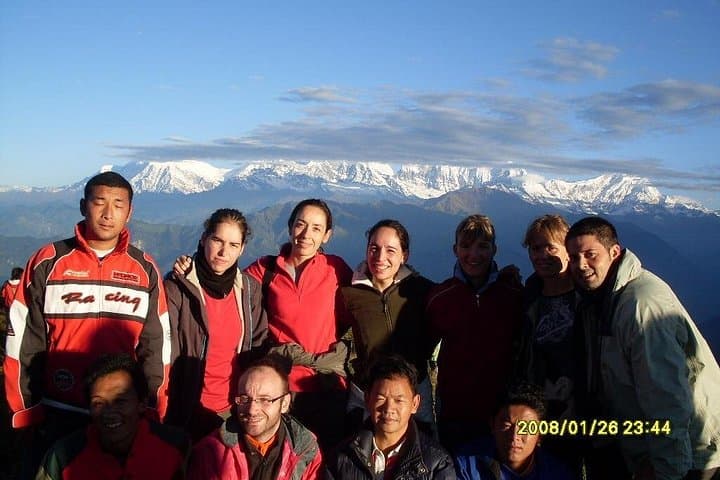
The day begins before dawn, trudging the last switchbacks up to Poon Hill as the cold night loosens its grip. By torchlight you join a small crowd on the ridge; then the first rays hit Annapurna and Dhaulagiri, bathing Fishtail’s jagged face in an abrupt palette of gold and rose. That fifty- to sixty-minute climb from Ghorepani (2,855 m) is the climax of a compact 9-day circuit that threads terraced fields, rhododendron forests and stone-paved village tracks.
Verified experiences and guided adventures in the surrounding area.
Operated by Annapurna Foothills Treks Expedition Pvt. Ltd. · Ghorepani, Gandaki Province
The day begins before dawn, trudging the last switchbacks up to Poon Hill as the cold night loosens its grip. By torchlight you join a small crowd on the ridge; then the first rays hit Annapurna and Dhaulagiri, bathing Fishtail’s jagged face in an abrupt palette of gold and rose. That fifty- to sixty-minute climb from Ghorepani (2,855 m) is the climax of a compact 9-day circuit that threads terraced fields, rhododendron forests and stone-paved village tracks.
This route runs through the Annapurna Conservation Area, land carved by Himalayan uplift and seasonal monsoons. Settlements such as Ghandruk (2,012 m) are centers of Gurung culture—stone homes, Buddhist shrines and oral histories tied to lamaist and Gurkha traditions. Geologically the trail traces metamorphosed sedimentary layers uplifted over millennia; the steep gullies and river-cut valleys you cross are recent in geological terms.
Practical guidance: the trek starts from Nayapul (1,010 m) after a drive from Pokhara. Expect daily stages of 3–7 hours, a high point at Poon Hill (3,210 m) and net elevation changes of 1,000–1,400 m on long days. Terrain alternates packed dirt, stone staircases and narrow forest paths. Accommodation is tea-house style; pack warm layers for pre-dawn climbs and rain protection for monsoon months. Carry cash for teahouse meals, bring basic altitude-awareness knowledge, and rely on TIMS/Annapurna permits which are required. Porters are common and often included, allowing you to keep a daypack for water, camera and an extra layer.
The reward is immediate—expansive mountain light, village encounters and a compact sequence of Himalayan landscapes that can be completed without deep logistical overhead.
moderate.
8–9 days.
Moderate cardiovascular fitness with ability to hike 3–7 hours per day on uneven, stair-like terrain.
Yes—TIMS and the Annapurna Conservation Area permit are required and typically arranged by your operator.
Daily stages range from 3–7 hours on mixed terrain with stone steps; a steady pace and breaks make it accessible for most fit hikers.
Poon Hill reaches ~3,210 m—mild AMS can occur; ascend slowly, hydrate, and inform your guide of symptoms.
Basic tea-houses supply shared rooms, hot meals and bedding; standards vary but are comfortable for short treks.
The route passes Gurung villages with long-standing trans-Himalayan trade roots; many residents have ties to Gurkha military service and local oral traditions.
The trek lies inside the Annapurna Conservation Area, where visitor fees fund trails, biodiversity monitoring and community projects; minimize waste and use staffed tea-houses to reduce impact.
Annapurna Foothills Treks Expedition Pvt. Ltd. operates guided outdoor trips and adventures with an emphasis on safety, stewardship, and memorable experiences.
The day begins before dawn, trudging the last switchbacks up to Poon Hill as the cold night loosens its grip. By torchlight you join a small crowd on the ridge; then the first rays hit Annapurna and Dhaulagiri, bathing Fishtail’s jagged face in an abrupt palette of gold and rose. That fifty- to sixty-minute climb from Ghorepani (2,855 m) is the climax of a compact 9-day circuit that threads terraced fields, rhododendron forests and stone-paved village tracks.
The day begins before dawn, trudging the last switchbacks up to Poon Hill as the cold night loosens its grip. By torchlight you join a small crowd on the ridge; then the first rays hit Annapurna and Dhaulagiri, bathing Fishtail’s jagged face in an abrupt palette of gold and rose. That fifty- to sixty-minute climb from Ghorepani (2,855 m) is the climax of a compact 9-day circuit that threads terraced fields, rhododendron forests and stone-paved village tracks.
This route runs through the Annapurna Conservation Area, land carved by Himalayan uplift and seasonal monsoons. Settlements such as Ghandruk (2,012 m) are centers of Gurung culture—stone homes, Buddhist shrines and oral histories tied to lamaist and Gurkha traditions. Geologically the trail traces metamorphosed sedimentary layers uplifted over millennia; the steep gullies and river-cut valleys you cross are recent in geological terms.
Practical guidance: the trek starts from Nayapul (1,010 m) after a drive from Pokhara. Expect daily stages of 3–7 hours, a high point at Poon Hill (3,210 m) and net elevation changes of 1,000–1,400 m on long days. Terrain alternates packed dirt, stone staircases and narrow forest paths. Accommodation is tea-house style; pack warm layers for pre-dawn climbs and rain protection for monsoon months. Carry cash for teahouse meals, bring basic altitude-awareness knowledge, and rely on TIMS/Annapurna permits which are required. Porters are common and often included, allowing you to keep a daypack for water, camera and an extra layer.
The reward is immediate—expansive mountain light, village encounters and a compact sequence of Himalayan landscapes that can be completed without deep logistical overhead.