THE ADVENTURE COLLECTIVE® · Independent discovery and booking for outdoor travel

A short, soul-stirring trek through rhododendron forests to Poon Hill for a Himalayan sunrise. This guide covers what to expect — distances, elevation, permits and practical packing tips.
A short, soul-stirring trek through rhododendron forests to Poon Hill for a Himalayan sunrise. This guide covers what to expect — distances, elevation, permits and practical packing tips.
Dawn arrives cold and sudden on the stone steps above Ghorepani — a thin band of light painting the snow-silver ridges of Annapurna and Dhaulagiri while sherpas, trekkers and the town wake in a chorus of mugs and muted conversation.
Verified experiences and guided adventures in the surrounding area.
Operated by Trekking Organizer Company in Nepal · Pokhara, Gandaki Province
Dawn arrives cold and sudden on the stone steps above Ghorepani — a thin band of light painting the snow-silver ridges of Annapurna and Dhaulagiri while sherpas, trekkers and the town wake in a chorus of mugs and muted conversation.
This classic 4–5 day trek threads village to village through the lower Annapurna foothills, climbing from river valleys and terraced farms into rhododendron forests and open alpine meadows. Geologically the route skirts the Lesser Himalaya where folded, metamorphic rocks give way to steep ridgelines; weather can clear in an hour to reveal a panorama of ten major peaks from Poon Hill (3,210 m).
Culturally the trail passes Gurung and Magar communities where stone houses, stacked corn and prayer flags mark centuries of hill agriculture and trade. Tea houses (guesthouses) run the accommodation economy and local cuisine centers on dal bhat and simple mountain breakfasts.
Practical guide: expect 4 main days of walking with daily distances roughly 10–18 km and single-day elevation gains up to ~1,300 m (Tikhedhunga to Ghorepani). Trails are a mix of packed dirt, stone staircases and forested switchbacks. Permits (TIMS, Annapurna Conservation Area) are required; bring cash for teahouse purchases and tips.
Pack layered clothing for cold mornings and warm midday sun, comfortable, broken-in hiking boots, trekking poles to ease steep stone steps, and basic altitude awareness — acclimatize slowly and drink water frequently. Aim for clear-sky mornings for sunrise on Poon Hill; when the clouds roll in, the forests still push and darken with moss and rhododendron blooms.
moderate.
4–5 days.
Moderately fit: comfortable with sustained uphill hikes of 4–7 hours and carrying a daypack; prior hill-walking experience helpful.
Yes — you need a TIMS card and an Annapurna Conservation Area Permit (ACAP); the tour indicates these are provided.
Poon Hill sits around 3,210 m; altitude sickness is possible but uncommon on this short trek — acclimatize, stay hydrated and ascend conservatively.
Accommodation is in tea houses (guesthouses) with basic private or shared rooms, simple meals, and optional hot showers for a fee.
Autumn (Sept–Nov) and spring (Mar–May) offer the best combination of clear views and stable weather; spring adds rhododendron blooms.
The trail passes Gurung and Magar settlements shaped by centuries of hill agriculture and seasonal trade; the area is part of routes connecting Pokhara to high pastures.
The trek runs inside the Annapurna Conservation Area — stick to marked paths, minimize plastic waste and support local tea houses to keep tourism sustainable.
Trekking Organizer Company in Nepal operates guided outdoor trips and adventures with an emphasis on safety, stewardship, and memorable experiences.
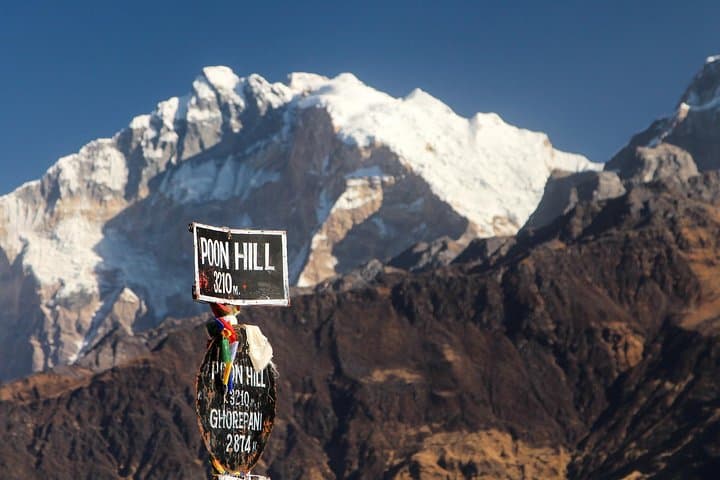
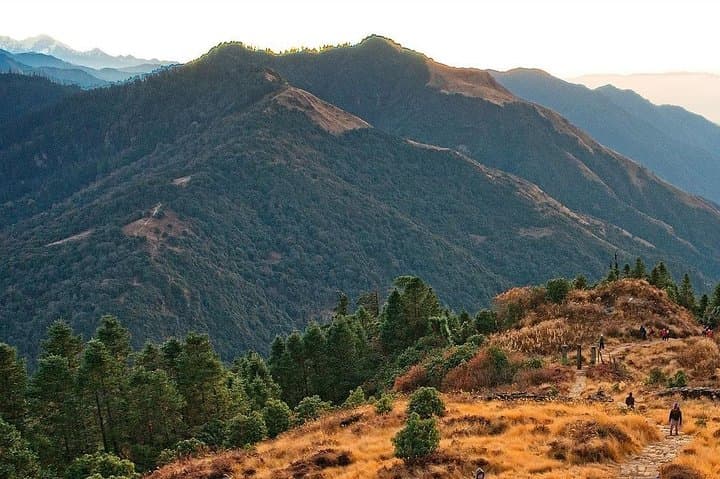
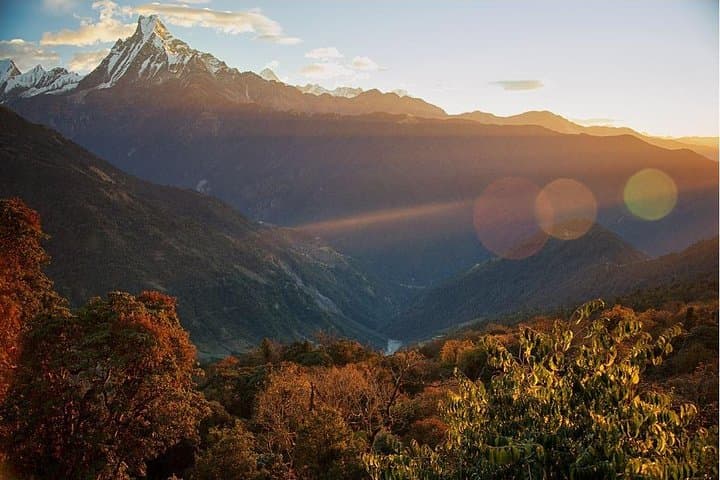
Dawn arrives cold and sudden on the stone steps above Ghorepani — a thin band of light painting the snow-silver ridges of Annapurna and Dhaulagiri while sherpas, trekkers and the town wake in a chorus of mugs and muted conversation.
Dawn arrives cold and sudden on the stone steps above Ghorepani — a thin band of light painting the snow-silver ridges of Annapurna and Dhaulagiri while sherpas, trekkers and the town wake in a chorus of mugs and muted conversation.
This classic 4–5 day trek threads village to village through the lower Annapurna foothills, climbing from river valleys and terraced farms into rhododendron forests and open alpine meadows. Geologically the route skirts the Lesser Himalaya where folded, metamorphic rocks give way to steep ridgelines; weather can clear in an hour to reveal a panorama of ten major peaks from Poon Hill (3,210 m).
Culturally the trail passes Gurung and Magar communities where stone houses, stacked corn and prayer flags mark centuries of hill agriculture and trade. Tea houses (guesthouses) run the accommodation economy and local cuisine centers on dal bhat and simple mountain breakfasts.
Practical guide: expect 4 main days of walking with daily distances roughly 10–18 km and single-day elevation gains up to ~1,300 m (Tikhedhunga to Ghorepani). Trails are a mix of packed dirt, stone staircases and forested switchbacks. Permits (TIMS, Annapurna Conservation Area) are required; bring cash for teahouse purchases and tips.
Pack layered clothing for cold mornings and warm midday sun, comfortable, broken-in hiking boots, trekking poles to ease steep stone steps, and basic altitude awareness — acclimatize slowly and drink water frequently. Aim for clear-sky mornings for sunrise on Poon Hill; when the clouds roll in, the forests still push and darken with moss and rhododendron blooms.