THE ADVENTURE COLLECTIVE® · Independent discovery and booking for outdoor travel

A compact trek that delivers classic Annapurna panoramas, hilltop sunrises, and village hospitality in just a few days. Ideal for beginners with moderate fitness and anyone wanting a fast, scenic Himalayan experience.
A compact trek that delivers classic Annapurna panoramas, hilltop sunrises, and village hospitality in just a few days. Ideal for beginners with moderate fitness and anyone wanting a fast, scenic Himalayan experience.
Dawn arrives cold and sharp above a ridge of rhododendron and pine as you climb the final stone steps to Poon Hill. The Annapurna range pours light across jagged summits—Dhaulagiri and Annapurna I pushing the sky back—while villagers in traditional garb move like small, deliberate figures across terraced slopes.
Verified experiences and guided adventures in the surrounding area.
Operated by Outfitter Nepal · Ghorepani (Poon Hill area), Gandaki Province
Dawn arrives cold and sharp above a ridge of rhododendron and pine as you climb the final stone steps to Poon Hill. The Annapurna range pours light across jagged summits—Dhaulagiri and Annapurna I pushing the sky back—while villagers in traditional garb move like small, deliberate figures across terraced slopes.
This short, multi-day trek follows centuries-old trade and mule routes used by Gurung and Magar communities. Geologically, you walk across uplifted sedimentary layers folded by the collision of the Indian and Eurasian plates; steep valleys and moraine-sculpted slopes are reminders of recent glacial activity. Cultural touchstones—stone mani walls, hilltop chortens, tea-house hospitality—appear at regular intervals, giving the route a lived-in, human scale.
Expect a steady progression: an initial drive from Pokhara to Nayapul, climbs through Ulleri’s famous staircases to Ghorepani (around 2,860 m), a predawn push to Poon Hill (≈3,210 m) for sunrise, then ridge crossings to Tadapani and Ghandruk before descending to Nayapul. Trails range from compacted dirt to long stone stairways; daily gains of 500–1,200 m are common.
Practicalities: hike in the dry morning hours, move slowly to manage altitude, and use trekking poles on steep descents. Lodges provide basic meals and a warm bed but pack a light sleeping liner and layered clothing—the high-altitude cold bites after sunset. Hydrate, keep pace on stair sections, and respect local customs when visiting villages: ask before photographing and support tea-house economies. This is a compact Himalayan trek—accessible, social, and rich in panorama.
moderate.
4–6 days.
Moderate cardio and leg strength; able to walk 4–7 hours on uneven trails daily
Spring (Mar–May) and autumn (Sep–Nov) offer the clearest mountain views and stable weather, while monsoon brings green hills but frequent rain and limited visibility.
Poon Hill is about 3,210 m; most people handle it with a gradual ascent and basic acclimatization, but monitor symptoms and descend if you experience severe headache, nausea, or disorientation.
Tea-house lodges are basic but clean—shared bathrooms are common, hot showers may cost extra, and food is simple but filling.
Yes—it's popular with beginners and families, but participants should have a moderate fitness level and be prepared for daily climbs and long stair sections.
The route follows traditional mule tracks linking hill communities to Pokhara and has long been used by Gurung and Magar people for trade and seasonal movement.
High visitor numbers strain water and fuel resources; support local lodges, pack out waste when possible, and use refillable water systems to reduce plastic.
Outfitter Nepal operates guided outdoor trips and adventures with an emphasis on safety, stewardship, and memorable experiences.
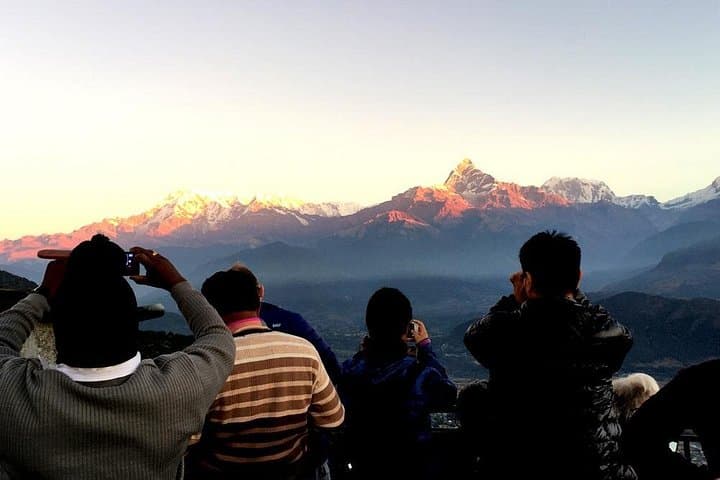
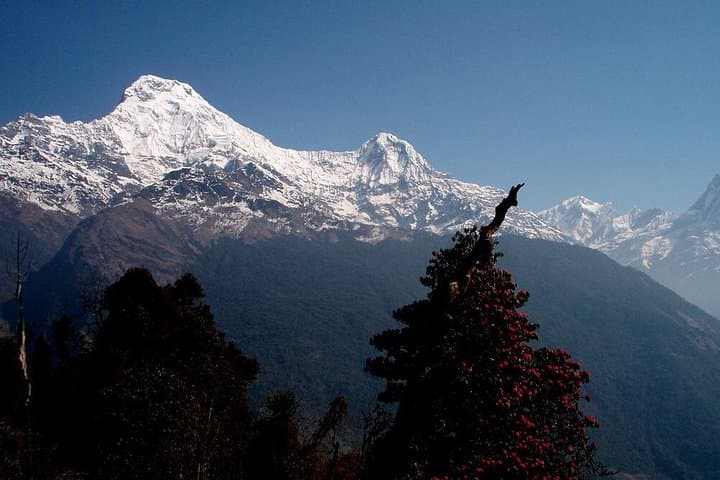
Dawn arrives cold and sharp above a ridge of rhododendron and pine as you climb the final stone steps to Poon Hill. The Annapurna range pours light across jagged summits—Dhaulagiri and Annapurna I pushing the sky back—while villagers in traditional garb move like small, deliberate figures across terraced slopes.
Dawn arrives cold and sharp above a ridge of rhododendron and pine as you climb the final stone steps to Poon Hill. The Annapurna range pours light across jagged summits—Dhaulagiri and Annapurna I pushing the sky back—while villagers in traditional garb move like small, deliberate figures across terraced slopes.
This short, multi-day trek follows centuries-old trade and mule routes used by Gurung and Magar communities. Geologically, you walk across uplifted sedimentary layers folded by the collision of the Indian and Eurasian plates; steep valleys and moraine-sculpted slopes are reminders of recent glacial activity. Cultural touchstones—stone mani walls, hilltop chortens, tea-house hospitality—appear at regular intervals, giving the route a lived-in, human scale.
Expect a steady progression: an initial drive from Pokhara to Nayapul, climbs through Ulleri’s famous staircases to Ghorepani (around 2,860 m), a predawn push to Poon Hill (≈3,210 m) for sunrise, then ridge crossings to Tadapani and Ghandruk before descending to Nayapul. Trails range from compacted dirt to long stone stairways; daily gains of 500–1,200 m are common.
Practicalities: hike in the dry morning hours, move slowly to manage altitude, and use trekking poles on steep descents. Lodges provide basic meals and a warm bed but pack a light sleeping liner and layered clothing—the high-altitude cold bites after sunset. Hydrate, keep pace on stair sections, and respect local customs when visiting villages: ask before photographing and support tea-house economies. This is a compact Himalayan trek—accessible, social, and rich in panorama.