THE ADVENTURE COLLECTIVE® · Independent discovery and booking for outdoor travel

A classic Annapurna circuit condensed into nine days: sunrise from Poon Hill, rhododendron forests, Gurung villages and manageable mountain days. This guide explains what to expect—terrain, culture, and practical tips to plan your trek.
A classic Annapurna circuit condensed into nine days: sunrise from Poon Hill, rhododendron forests, Gurung villages and manageable mountain days. This guide explains what to expect—terrain, culture, and practical tips to plan your trek.
Dawn arrives cold and clear on Poon Hill, the horizon cut by serrated ice—Annapurna I, Hiunchuli and Machhapuchhre slowly flush gold as porters and trekkers alike stand quiet, cameras suspended like small offerings.
Verified experiences and guided adventures in the surrounding area.
Operated by Nepal Treks and Tour · Ghorepani, Gandaki Province
Dawn arrives cold and clear on Poon Hill, the horizon cut by serrated ice—Annapurna I, Hiunchuli and Machhapuchhre slowly flush gold as porters and trekkers alike stand quiet, cameras suspended like small offerings.
This nine-day itinerary moves from Kathmandu’s crowded streets to Pokhara’s flat lake mirror and then up into the Annapurna Conservation Area where human history and Himalayan geology meet. The trails follow ancient trade routes used by Gurung communities; stone steps and rhododendron corridors switchback over moraine and old terraces formed by glacial action and river erosion. Villages such as Ulleri, Ghorepani and Ghandruk retain traditional architecture and hospitality—simple teahouses, carved wooden windows, and communal meals that reflect Gurung culture.
Expect shifting ecosystems: subtropical river valleys give way to oak and broadleaf forests, then rhododendron stands that explode in color in spring. Trails vary from steep stone staircases to narrow, sometimes muddy forest tracks; bridges cross swift tributaries that seem to push you onward.
Practically, the trek is a steady moderate climb with key high points around 3,200m at Poon Hill. Mornings and evenings are cold—layers and a reliable sleeping bag are essential. Hydrate and pace yourself on long ascents; altitude sickness is uncommon at these elevations but monitor symptoms. Guide-led logistics typically include lodge stays, most meals, and transport between Kathmandu and Pokhara.
Timing trips for clear weather (post-monsoon or spring) rewards you with peak views and rhododendron bloom. The route is accessible to fit hikers who can handle 4–6 hours trekking days and uneven terrain—an attainable Himalayan classic that balances culture, views, and straightforward trail work.
moderate.
9 days.
Good cardiovascular fitness and comfort with multi-day hiking (4–6 hour days, some steep climbs)
Yes—if you are active and prepared for daily hikes of 4–6 hours; a guide and gradual pace make it accessible to novice trekkers.
No—this standard teahouse trek allows porters for extra luggage and most nights are in lodges with basic meals provided.
You need the Annapurna Conservation Area Permit (ACAP) and a TIMS card; guides/agents typically arrange these before departure.
Poon Hill tops at about 3,193m—risk is low but possible; ascend slowly, hydrate, and know symptoms (headache, nausea, dizziness).
The trails follow historic mule and porter routes linking hill communities to Pokhara and the lowlands; Gurung villages along the way maintain long-standing agricultural and cultural traditions.
The Annapurna Conservation Area enforces permits and community-based tourism; minimize waste by using refillable bottles and accepting local provisions rather than imported packaged goods.
Nepal Treks and Tour operates guided outdoor trips and adventures with an emphasis on safety, stewardship, and memorable experiences.
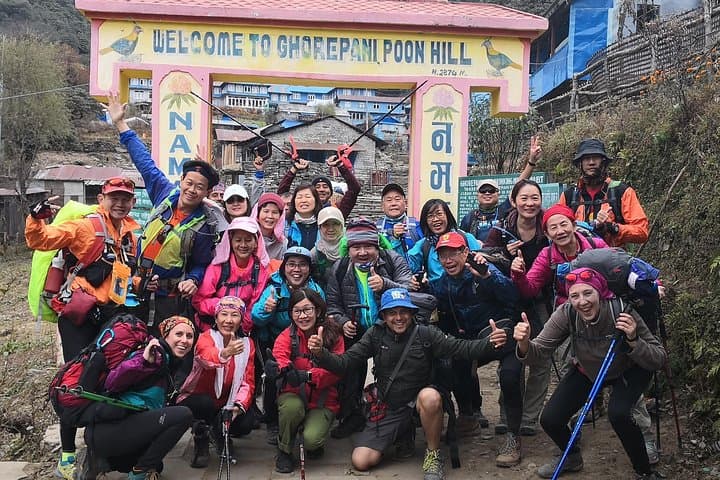
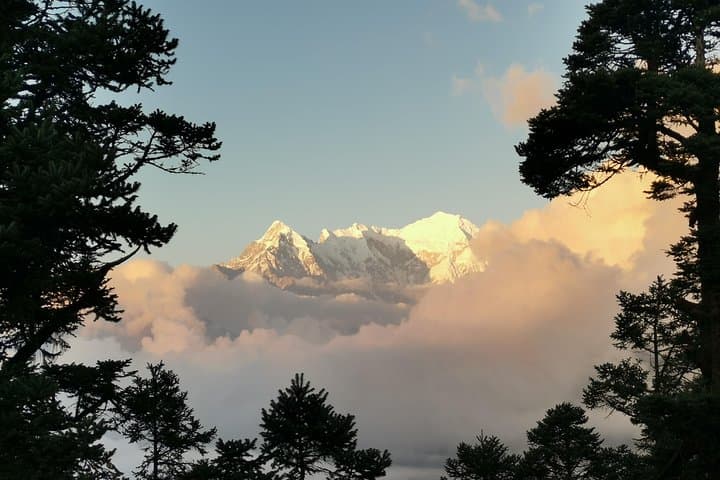
Dawn arrives cold and clear on Poon Hill, the horizon cut by serrated ice—Annapurna I, Hiunchuli and Machhapuchhre slowly flush gold as porters and trekkers alike stand quiet, cameras suspended like small offerings.
Dawn arrives cold and clear on Poon Hill, the horizon cut by serrated ice—Annapurna I, Hiunchuli and Machhapuchhre slowly flush gold as porters and trekkers alike stand quiet, cameras suspended like small offerings.
This nine-day itinerary moves from Kathmandu’s crowded streets to Pokhara’s flat lake mirror and then up into the Annapurna Conservation Area where human history and Himalayan geology meet. The trails follow ancient trade routes used by Gurung communities; stone steps and rhododendron corridors switchback over moraine and old terraces formed by glacial action and river erosion. Villages such as Ulleri, Ghorepani and Ghandruk retain traditional architecture and hospitality—simple teahouses, carved wooden windows, and communal meals that reflect Gurung culture.
Expect shifting ecosystems: subtropical river valleys give way to oak and broadleaf forests, then rhododendron stands that explode in color in spring. Trails vary from steep stone staircases to narrow, sometimes muddy forest tracks; bridges cross swift tributaries that seem to push you onward.
Practically, the trek is a steady moderate climb with key high points around 3,200m at Poon Hill. Mornings and evenings are cold—layers and a reliable sleeping bag are essential. Hydrate and pace yourself on long ascents; altitude sickness is uncommon at these elevations but monitor symptoms. Guide-led logistics typically include lodge stays, most meals, and transport between Kathmandu and Pokhara.
Timing trips for clear weather (post-monsoon or spring) rewards you with peak views and rhododendron bloom. The route is accessible to fit hikers who can handle 4–6 hours trekking days and uneven terrain—an attainable Himalayan classic that balances culture, views, and straightforward trail work.