THE ADVENTURE COLLECTIVE® · Independent discovery and booking for outdoor travel

Climb pre-dawn to Poon Hill for a Himalayan sunrise over Annapurna and Dhaulagiri on a 6-day lodge trek from Pokhara. Expect steep stone steps, rhododendron forests and village hospitality with manageable daily distances for most fit walkers.
Climb pre-dawn to Poon Hill for a Himalayan sunrise over Annapurna and Dhaulagiri on a 6-day lodge trek from Pokhara. Expect steep stone steps, rhododendron forests and village hospitality with manageable daily distances for most fit walkers.
Dawn slices the Himalayan skyline in orange and pink as trekkers shoulder layers and climb the final switchbacks to Poon Hill. The air is thin, crisp, and full of stone-step rhythm: each step brings a clearer view of Annapurna South, Hiunchuli, Machhapuchhre and the distant Dhaulagiri massif.
Verified experiences and guided adventures in the surrounding area.
Operated by Base Camp Adventure Pvt. Ltd. · Ghorepani, Gandaki Province
Dawn slices the Himalayan skyline in orange and pink as trekkers shoulder layers and climb the final switchbacks to Poon Hill. The air is thin, crisp, and full of stone-step rhythm: each step brings a clearer view of Annapurna South, Hiunchuli, Machhapuchhre and the distant Dhaulagiri massif.
This six-day lodge-to-lodge trek threads village trails and rhododendron forest between Pokhara and Ghorepani. Geologically the route traces uplifted river terraces carved by the Modi and Bhurungdi kholas, where folded sedimentary rocks rise to sharp granite faces. Culturally, the trail passes Gurung communities—stone-built houses, terraced fields and tea-houses where local hospitality and dal bhat refuel walkers.
Expect steep stone staircases—particularly Ulleri—and a steady climb from 820m in Pokhara to roughly 2,874m in Ghorepani, with Poon Hill topping out around 3,200m. Trails alternate packed dirt, stone steps and forested singletrack; mornings can be icy and afternoons warm in sun-exposed stretches.
Practical notes: start the Poon Hill summit before sunrise to avoid crowds and catch the best mountain light; permit fees (TIMS/ACAP) are normally handled by operators; basic twin-share lodges provide hot meals and heated dining rooms. Hydration, layer management and gradual pacing reduce altitude risks—this route is classed as moderate but accessible to fit beginners who acclimatize.
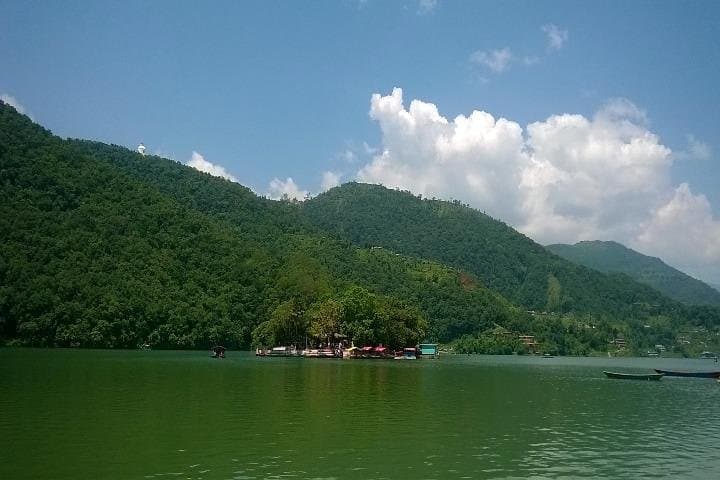
Plan footwear for stone steps, bring a water-treatment option, and allow buffer time for weather delays on the Deurali sections. By the final day the trail eases into terraced farmland and busable roads, delivering you back to Pokhara and the comforts of warm showers and lakeside views.
moderate.
5–7 days.
Suitable for people with reasonable fitness who can hike 4–6 hours/day and handle sustained climbs; some prior hiking experience helps.
The route is classed moderate with long days on stone steps; beginners can manage it with steady pacing, basic fitness and a willingness to walk 4–6 hours daily.
Yes—Trekkers' Information Management System (TIMS) and Annapurna Conservation Area Project (ACAP) permits apply; many operators include them in the package.
Lodge/guesthouse accommodation in twin-share rooms with shared bathrooms is standard, with hot meals and heated dining rooms available in most stops.
At Poon Hill (≈3,200m) symptoms can occur; ascend gradually, keep hydrated, and communicate any headaches or nausea to your guide—descend if symptoms worsen.
Ghorepani and surrounding Gurung villages have long been regional trade and shepherding hubs; the trail follows traditional mule and porter routes between high pastures and Pokhara markets.
This area sits inside the Annapurna Conservation Area—trekking etiquette (pack out trash, avoid single-use plastics) and staying on marked trails help limit erosion and wildlife disturbance.
Base Camp Adventure Pvt. Ltd. operates guided outdoor trips and adventures with an emphasis on safety, stewardship, and memorable experiences.
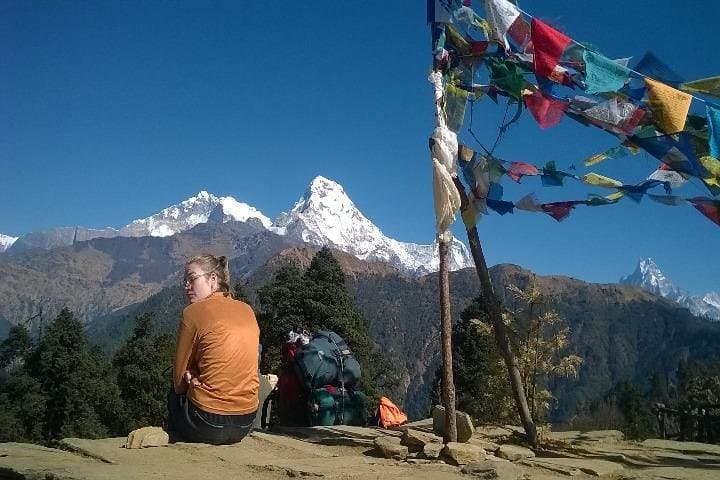
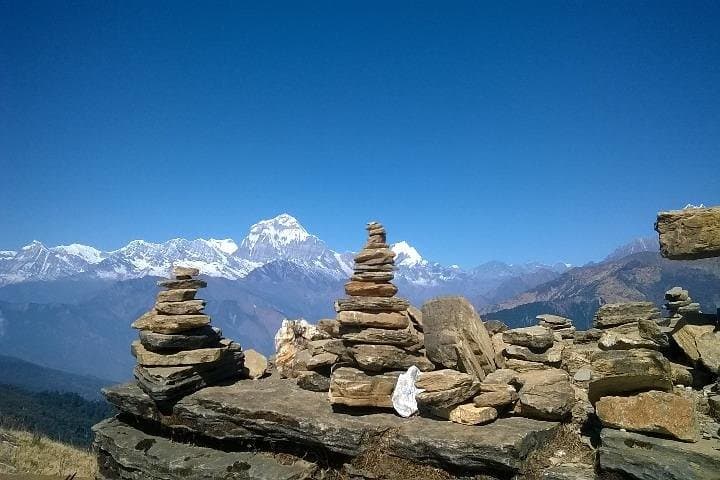

Dawn slices the Himalayan skyline in orange and pink as trekkers shoulder layers and climb the final switchbacks to Poon Hill. The air is thin, crisp, and full of stone-step rhythm: each step brings a clearer view of Annapurna South, Hiunchuli, Machhapuchhre and the distant Dhaulagiri massif.
Dawn slices the Himalayan skyline in orange and pink as trekkers shoulder layers and climb the final switchbacks to Poon Hill. The air is thin, crisp, and full of stone-step rhythm: each step brings a clearer view of Annapurna South, Hiunchuli, Machhapuchhre and the distant Dhaulagiri massif.
This six-day lodge-to-lodge trek threads village trails and rhododendron forest between Pokhara and Ghorepani. Geologically the route traces uplifted river terraces carved by the Modi and Bhurungdi kholas, where folded sedimentary rocks rise to sharp granite faces. Culturally, the trail passes Gurung communities—stone-built houses, terraced fields and tea-houses where local hospitality and dal bhat refuel walkers.
Expect steep stone staircases—particularly Ulleri—and a steady climb from 820m in Pokhara to roughly 2,874m in Ghorepani, with Poon Hill topping out around 3,200m. Trails alternate packed dirt, stone steps and forested singletrack; mornings can be icy and afternoons warm in sun-exposed stretches.
Practical notes: start the Poon Hill summit before sunrise to avoid crowds and catch the best mountain light; permit fees (TIMS/ACAP) are normally handled by operators; basic twin-share lodges provide hot meals and heated dining rooms. Hydration, layer management and gradual pacing reduce altitude risks—this route is classed as moderate but accessible to fit beginners who acclimatize.
Plan footwear for stone steps, bring a water-treatment option, and allow buffer time for weather delays on the Deurali sections. By the final day the trail eases into terraced farmland and busable roads, delivering you back to Pokhara and the comforts of warm showers and lakeside views.