THE ADVENTURE COLLECTIVE® · Independent discovery and booking for outdoor travel

A manageable six-day Annapurna trek focused on sunrise at Poon Hill (3,210 m), scenic village trails, and big mountain views — ideal for trekkers who want panoramic Himalaya without extremes.
A manageable six-day Annapurna trek focused on sunrise at Poon Hill (3,210 m), scenic village trails, and big mountain views — ideal for trekkers who want panoramic Himalaya without extremes.
Dawn arrives cold and clear above Poon Hill, and the silhouettes of Annapurna and Dhaulagiri press into the sky like stacked blades. You climb before breakfast, footsteps on old stone stairways threaded through rhododendron groves, and reach the 3,210 m viewpoint while the first colors slice across the ridgelines.
Verified experiences and guided adventures in the surrounding area.
Operated by NEPAL LION TOURS AND TREKS PVT LTD · Ghorepani, Gandaki Province
Dawn arrives cold and clear above Poon Hill, and the silhouettes of Annapurna and Dhaulagiri press into the sky like stacked blades. You climb before breakfast, footsteps on old stone stairways threaded through rhododendron groves, and reach the 3,210 m viewpoint while the first colors slice across the ridgelines.
This six-day itinerary is a classic entry to the Annapurna Conservation Area, moving from lower-elevation villages to the exposed viewpoint of Poon Hill. Geologically, the peaks you’ll greet were lifted by the Indian-Eurasian continental collision; their folded limestone and metamorphics break into sharp ridges and glacial bowls. Culturally, the trail threads Gurung and Magar villages — timber houses, prayer flags, and local tea-houses where dal bhat fuels the day.
Expect stone steps, narrow dirt tracks, and forested switchbacks; most days are 3–6 hours of walking with cumulative elevation gain of roughly 1,600–2,000 m over the trek and a highest point at 3,210 m. Weather shifts fast: sun can burn midday and clouds can bring sleet at night.
Practical guidance: start the Poon Hill summit hike early (pre-dawn) to avoid crowds and catch the sunrise; layer for cold mornings and lighter afternoons; bring a water filter or treated supply, and allow at least one gentle day of ascent for acclimatization. Footwear with good ankle support and sticky grip on wet stone steps will make the daily climbs more confident. Respect teahouse etiquette — pack out trash when possible and tip guides and porters fairly. With modest fitness and the right preparation, this route delivers huge Himalayan panoramas on a manageable schedule.
moderate.
6 days (daily hikes 3–6 hours).
Good aerobic fitness with experience walking on uneven terrain; able to manage consecutive days of uphill and stairs.
This route is suitable for beginners with moderate fitness — daily walks are short to moderate and teahouse support reduces load, but expect steady climbs and many stone steps.
You must enter the Annapurna Conservation Area and register (ACAP permit); guided treks are recommended for logistics, language, and safety support.
The highest viewpoint is Poon Hill at about 3,210 m; while serious altitude sickness is uncommon at this height, take it slow, stay hydrated, and monitor symptoms.
Technically yes, but spring and fall offer the best weather and views; monsoon brings rain and limited visibility, and winter can be cold with occasional snow.
The trail follows traditional trans-Himalayan routes used by Gurung and Magar communities; teahouse trekking expanded here in the late 20th century with conservation measures.
The Annapurna Conservation Area combines community management with visitor fees to support trail maintenance and village livelihoods; minimize waste and use established water and toilet facilities.
NEPAL LION TOURS AND TREKS PVT LTD operates guided outdoor trips and adventures with an emphasis on safety, stewardship, and memorable experiences.
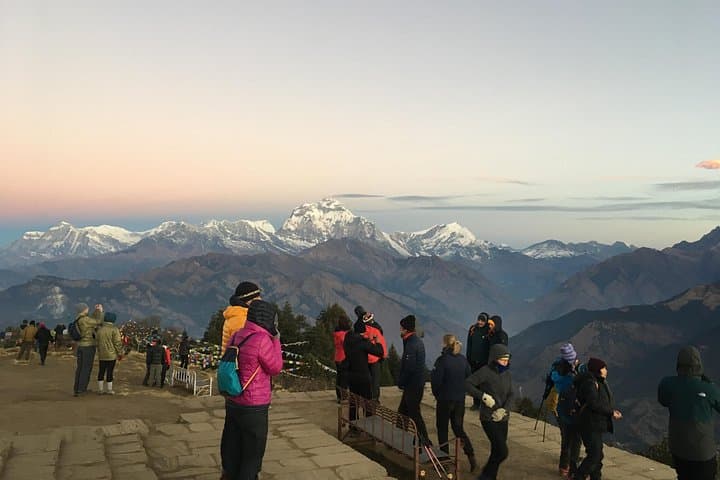
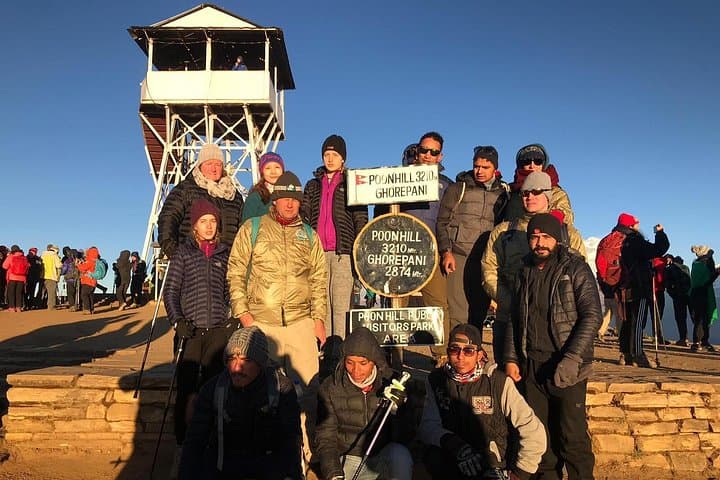
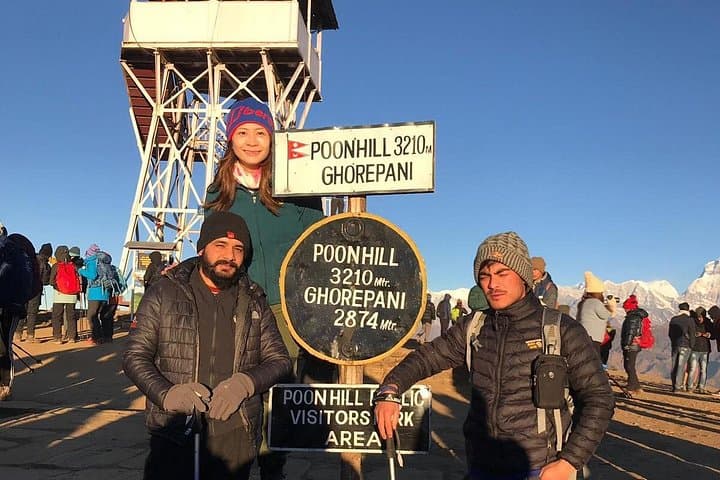
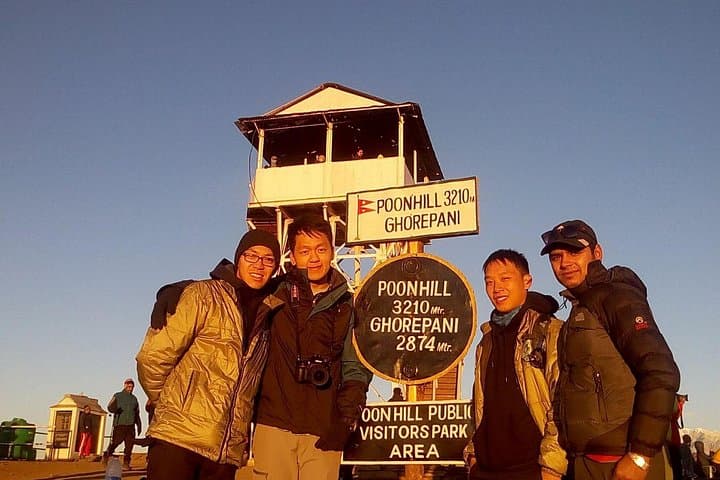
Dawn arrives cold and clear above Poon Hill, and the silhouettes of Annapurna and Dhaulagiri press into the sky like stacked blades. You climb before breakfast, footsteps on old stone stairways threaded through rhododendron groves, and reach the 3,210 m viewpoint while the first colors slice across the ridgelines.
Dawn arrives cold and clear above Poon Hill, and the silhouettes of Annapurna and Dhaulagiri press into the sky like stacked blades. You climb before breakfast, footsteps on old stone stairways threaded through rhododendron groves, and reach the 3,210 m viewpoint while the first colors slice across the ridgelines.
This six-day itinerary is a classic entry to the Annapurna Conservation Area, moving from lower-elevation villages to the exposed viewpoint of Poon Hill. Geologically, the peaks you’ll greet were lifted by the Indian-Eurasian continental collision; their folded limestone and metamorphics break into sharp ridges and glacial bowls. Culturally, the trail threads Gurung and Magar villages — timber houses, prayer flags, and local tea-houses where dal bhat fuels the day.
Expect stone steps, narrow dirt tracks, and forested switchbacks; most days are 3–6 hours of walking with cumulative elevation gain of roughly 1,600–2,000 m over the trek and a highest point at 3,210 m. Weather shifts fast: sun can burn midday and clouds can bring sleet at night.
Practical guidance: start the Poon Hill summit hike early (pre-dawn) to avoid crowds and catch the sunrise; layer for cold mornings and lighter afternoons; bring a water filter or treated supply, and allow at least one gentle day of ascent for acclimatization. Footwear with good ankle support and sticky grip on wet stone steps will make the daily climbs more confident. Respect teahouse etiquette — pack out trash when possible and tip guides and porters fairly. With modest fitness and the right preparation, this route delivers huge Himalayan panoramas on a manageable schedule.