THE ADVENTURE COLLECTIVE® · Independent discovery and booking for outdoor travel

A classic short trek in the Annapurna foothills, the Ghorepani–Poon Hill route delivers sunrise panoramas of Annapurna and Dhaulagiri with family-friendly daily stages. Early mornings, stone staircases, and teahouse nights define the experience.
A classic short trek in the Annapurna foothills, the Ghorepani–Poon Hill route delivers sunrise panoramas of Annapurna and Dhaulagiri with family-friendly daily stages. Early mornings, stone staircases, and teahouse nights define the experience.
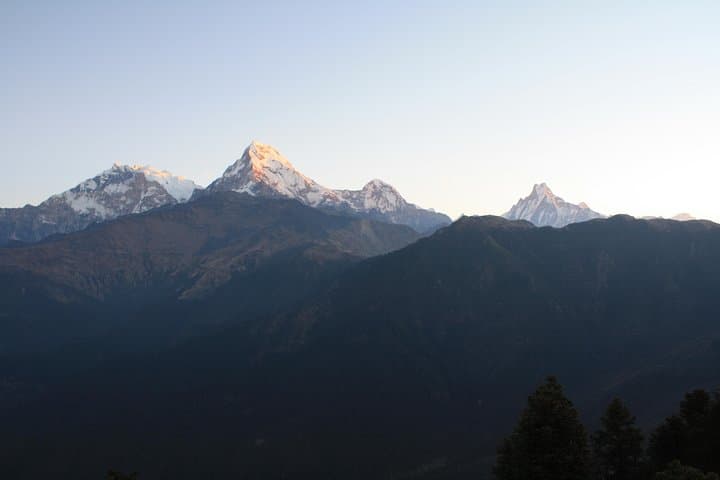
Before dawn, a line of headlamps threads the steep stone steps above Ghorepani, the cold air biting as the ridge widens and the first light picks out teeth of rock on Annapurna and Machhapuchhre. By the time you reach Poon Hill the sky has turned gold and the mountains—Annapurna I, Dhaulagiri, Nilgiri—stand like putty cut into ridgelines, enormous and patient.
Verified experiences and guided adventures in the surrounding area.
Operated by Navigate Outdoor Pvt. Ltd. · Ghorepani, Gandaki Province
Before dawn, a line of headlamps threads the steep stone steps above Ghorepani, the cold air biting as the ridge widens and the first light picks out teeth of rock on Annapurna and Machhapuchhre. By the time you reach Poon Hill the sky has turned gold and the mountains—Annapurna I, Dhaulagiri, Nilgiri—stand like putty cut into ridgelines, enormous and patient.
This route follows old trade trails and terrace farms through Gurung and Magar villages—Ulleri’s endless steps, rhododendron forests that flare red in spring, and the high pasturelands below Poon Hill where shepherds once grazed yaks. Geologically you’re walking the southern folds of the Himalayan arc: uplifted sedimentary layers carved by monsoon and glacial action into steep valleys and narrow ridgelines.
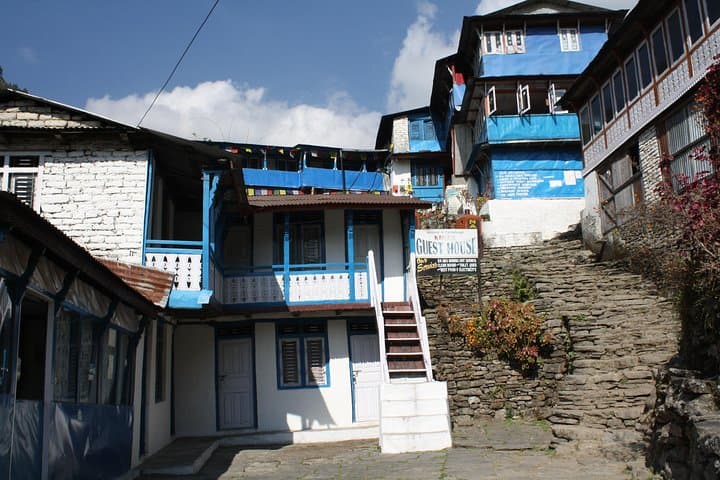
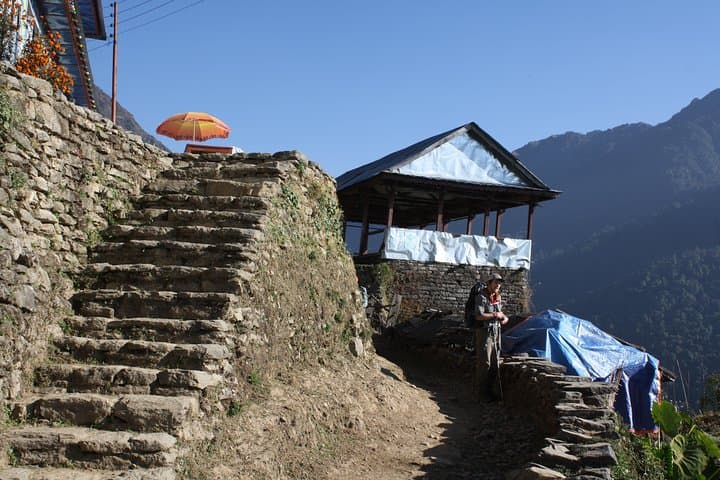
Cultural touches are direct: tea houses that host songs and dal bhat, prayer flags marking passes, and Ghandruk’s stone houses and small cultural museum showcasing Gurung heritage. Expect a mix of packed dirt and stone staircases, typical daily walks of 4–6 hours, and a highest viewpoint around 3,210 m (Poon Hill) with overnight teahouse stays near 2,860 m in Ghorepani.
Practical guidance: acclimatize, walk slowly on stairs, carry a lightweight rain shell and warm layers for dawn, and budget for permits (Annapurna Conservation Area Permit and TIMS) and tips for guides/porters. If you’re traveling with family or new to trekking, this classic short-route gives big Himalayan views with manageable hiking days—plan for early starts to catch sunrise and quieter paths.
moderate.
4–6 days.
Good cardio and leg strength for sustained uphill sections and long stair climbs; suitable for active beginners with time to acclimatize.
Yes—trekkers must obtain an Annapurna Conservation Area Permit (ACAP) and a TIMS card; guides or agencies usually arrange these before departure.
The route is considered family-friendly with moderate daily sections, but stairs and altitude require careful pacing and possible porter support for those with limited mobility.
Poon Hill summit is about 3,210 meters; most overnight stops are lower (around 2,860 m in Ghorepani), so acclimatize and watch for symptoms of altitude sickness.
Prime windows are autumn (Oct–Dec) and spring (Mar–Apr) for clear skies and rhododendron blooms; winter can be cold and monsoon season (Jun–Aug) brings heavy rain and slippery trails.
The trails follow centuries-old trade and pastoral routes used by Gurung and Magar communities; the Annapurna Conservation Area was later created to balance tourism and local livelihoods.
Visitors should use refillable bottles, stay on maintained trails to limit erosion, and support locally run teahouses and porters to keep economic benefits in the valley.
Navigate Outdoor Pvt. Ltd. operates guided outdoor trips and adventures with an emphasis on safety, stewardship, and memorable experiences.
Before dawn, a line of headlamps threads the steep stone steps above Ghorepani, the cold air biting as the ridge widens and the first light picks out teeth of rock on Annapurna and Machhapuchhre. By the time you reach Poon Hill the sky has turned gold and the mountains—Annapurna I, Dhaulagiri, Nilgiri—stand like putty cut into ridgelines, enormous and patient.
Before dawn, a line of headlamps threads the steep stone steps above Ghorepani, the cold air biting as the ridge widens and the first light picks out teeth of rock on Annapurna and Machhapuchhre. By the time you reach Poon Hill the sky has turned gold and the mountains—Annapurna I, Dhaulagiri, Nilgiri—stand like putty cut into ridgelines, enormous and patient.
This route follows old trade trails and terrace farms through Gurung and Magar villages—Ulleri’s endless steps, rhododendron forests that flare red in spring, and the high pasturelands below Poon Hill where shepherds once grazed yaks. Geologically you’re walking the southern folds of the Himalayan arc: uplifted sedimentary layers carved by monsoon and glacial action into steep valleys and narrow ridgelines.
Cultural touches are direct: tea houses that host songs and dal bhat, prayer flags marking passes, and Ghandruk’s stone houses and small cultural museum showcasing Gurung heritage. Expect a mix of packed dirt and stone staircases, typical daily walks of 4–6 hours, and a highest viewpoint around 3,210 m (Poon Hill) with overnight teahouse stays near 2,860 m in Ghorepani.
Practical guidance: acclimatize, walk slowly on stairs, carry a lightweight rain shell and warm layers for dawn, and budget for permits (Annapurna Conservation Area Permit and TIMS) and tips for guides/porters. If you’re traveling with family or new to trekking, this classic short-route gives big Himalayan views with manageable hiking days—plan for early starts to catch sunrise and quieter paths.