THE ADVENTURE COLLECTIVE® · Independent discovery and booking for outdoor travel

A compact 3–4 day trek from Pokhara to Poon Hill that delivers sunrise views over Annapurna and Dhaulagiri, close encounters with Gurung villages, and rhododendron forests. Ideal for hikers seeking a high-value Himalayan experience with teahouse comforts.
A compact 3–4 day trek from Pokhara to Poon Hill that delivers sunrise views over Annapurna and Dhaulagiri, close encounters with Gurung villages, and rhododendron forests. Ideal for hikers seeking a high-value Himalayan experience with teahouse comforts.
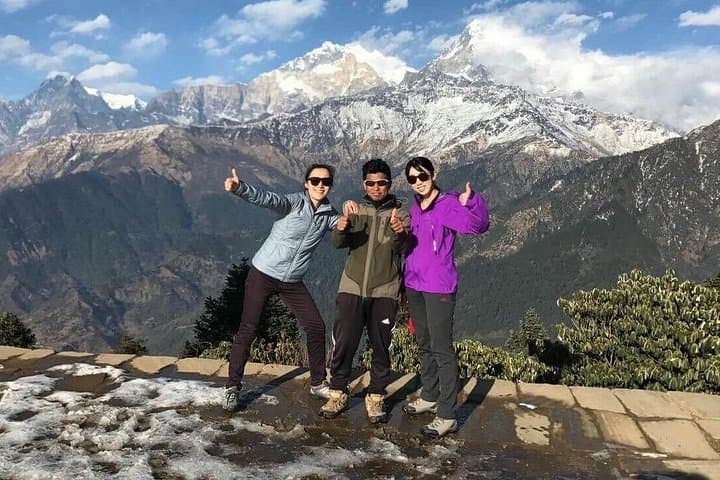
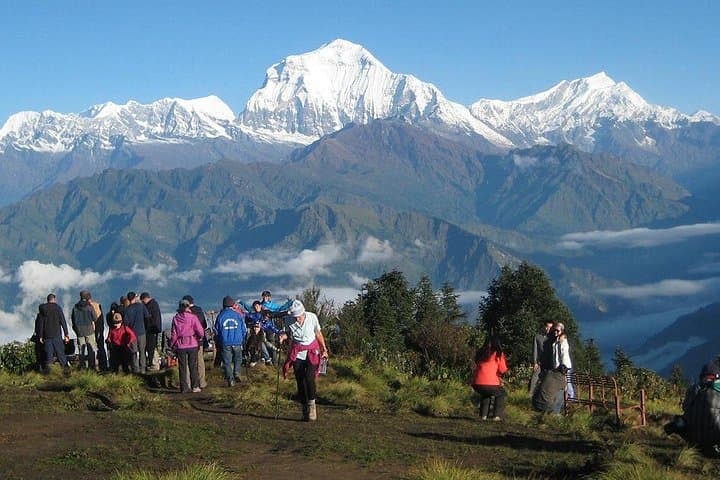
Dawn arrives cold and sharp above the terraced slopes as you climb the last switchbacks toward Poon Hill. Lantern-lit teahouses in Ghorepani give way to a ridge that opens onto the Annapurna and Dhaulagiri massifs; at sunrise the crests cut clean silhouettes against a pale sky and the air smells of wood smoke and boiled tea.
Verified experiences and guided adventures in the surrounding area.
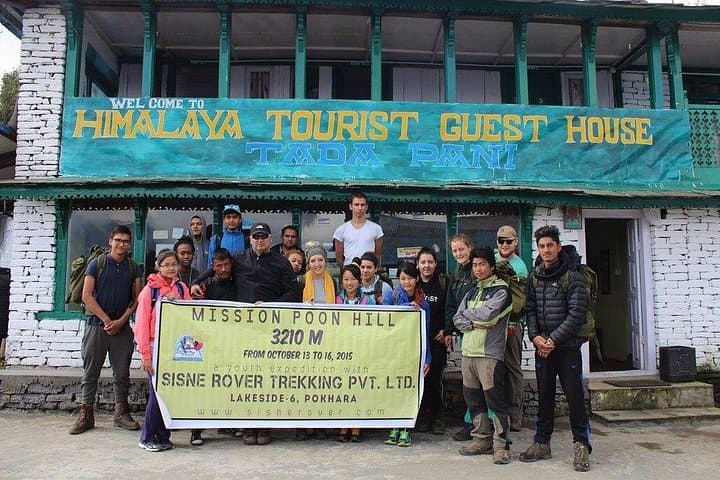
Operated by Sisne Rover Trekking · Ghorepani, Gandaki Province
Dawn arrives cold and sharp above the terraced slopes as you climb the last switchbacks toward Poon Hill. Lantern-lit teahouses in Ghorepani give way to a ridge that opens onto the Annapurna and Dhaulagiri massifs; at sunrise the crests cut clean silhouettes against a pale sky and the air smells of wood smoke and boiled tea.
This short Annapurna trek follows centuries-old mule tracks through rice terraces, rhododendron stands and Gurung settlements. Geologically the route skirts the Lesser Himalaya—folded, steeply uplifted rock that creates dramatic, near-vertical valleys. Local culture is visible at every step: stone houses, prayer flags, and the Gurung people’s museums and homestays in villages like Ghandruk.
Expect steady climbs and many stone stair sections—Ulleri’s stairway is a stamina test—and a sharp, exposure-free ascent to Poon Hill at 3,210 m for sunrise. Days are 4–6 hours of walking, with teahouse lodging and simple meals. Weather shifts quickly at altitude; mornings and evenings are cold even when the day is warm.
Practical notes: start early for summit views, carry layered insulation and a headlamp, and keep hydration accessible—tea stops are frequent but bring purification if you prefer bottled water. Walk slowly on the descents to protect knees and give your body time to adapt to the higher elevations.
This trek is ideal for hikers with basic trail experience who want a compact, high-reward Himalayan introduction without technical climbing. Permits (ACAP, TIMS), a licensed guide and teahouse bookings are standard—book through Pokhara to streamline transport and paperwork.
moderate.
3–4 days.
Moderate cardiovascular fitness and comfort with sustained uphill hiking; ability to handle stair and rocky terrain for 4–6 hours/day.
Yes—ACAP and TIMS permits are required; operators typically arrange these before you start from Pokhara.
The Poon Hill ascent is steep but non-technical; expect 45–90 minutes of uphill hiking from Ghorepani at high altitude.
Teahouse guesthouses on a sharing basis with simple private or dorm-style rooms and communal dining areas; hot showers may be limited.
Risk is lower than higher Annapurna routes but possible—ascend gradually, stay hydrated, and report symptoms to your guide immediately.
The routes trace traditional trade and mule tracks connecting Pokhara valley to higher pastures; Gurung settlements along the way preserve language, music and craft traditions.
The trek lies within or adjacent to ACAP-managed zones—stick to marked trails, avoid single-use plastics and support local teahouses to keep income within communities.
Sisne Rover Trekking operates guided outdoor trips and adventures with an emphasis on safety, stewardship, and memorable experiences.

Dawn arrives cold and sharp above the terraced slopes as you climb the last switchbacks toward Poon Hill. Lantern-lit teahouses in Ghorepani give way to a ridge that opens onto the Annapurna and Dhaulagiri massifs; at sunrise the crests cut clean silhouettes against a pale sky and the air smells of wood smoke and boiled tea.
Dawn arrives cold and sharp above the terraced slopes as you climb the last switchbacks toward Poon Hill. Lantern-lit teahouses in Ghorepani give way to a ridge that opens onto the Annapurna and Dhaulagiri massifs; at sunrise the crests cut clean silhouettes against a pale sky and the air smells of wood smoke and boiled tea.
This short Annapurna trek follows centuries-old mule tracks through rice terraces, rhododendron stands and Gurung settlements. Geologically the route skirts the Lesser Himalaya—folded, steeply uplifted rock that creates dramatic, near-vertical valleys. Local culture is visible at every step: stone houses, prayer flags, and the Gurung people’s museums and homestays in villages like Ghandruk.
Expect steady climbs and many stone stair sections—Ulleri’s stairway is a stamina test—and a sharp, exposure-free ascent to Poon Hill at 3,210 m for sunrise. Days are 4–6 hours of walking, with teahouse lodging and simple meals. Weather shifts quickly at altitude; mornings and evenings are cold even when the day is warm.
Practical notes: start early for summit views, carry layered insulation and a headlamp, and keep hydration accessible—tea stops are frequent but bring purification if you prefer bottled water. Walk slowly on the descents to protect knees and give your body time to adapt to the higher elevations.
This trek is ideal for hikers with basic trail experience who want a compact, high-reward Himalayan introduction without technical climbing. Permits (ACAP, TIMS), a licensed guide and teahouse bookings are standard—book through Pokhara to streamline transport and paperwork.