THE ADVENTURE COLLECTIVE® · Independent discovery and booking for outdoor travel

Watch the Annapurna massif ignite at sunrise from Poon Hill on the classic Ghorepani trek. This teahouse route mixes steep stone stairways, rhododendron forests, and visits to Magar and Gurung villages with accessible high-mountain views.
Watch the Annapurna massif ignite at sunrise from Poon Hill on the classic Ghorepani trek. This teahouse route mixes steep stone stairways, rhododendron forests, and visits to Magar and Gurung villages with accessible high-mountain views.
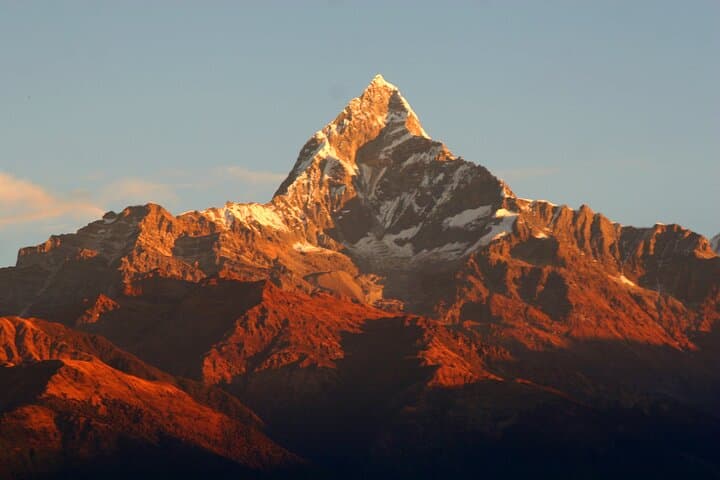
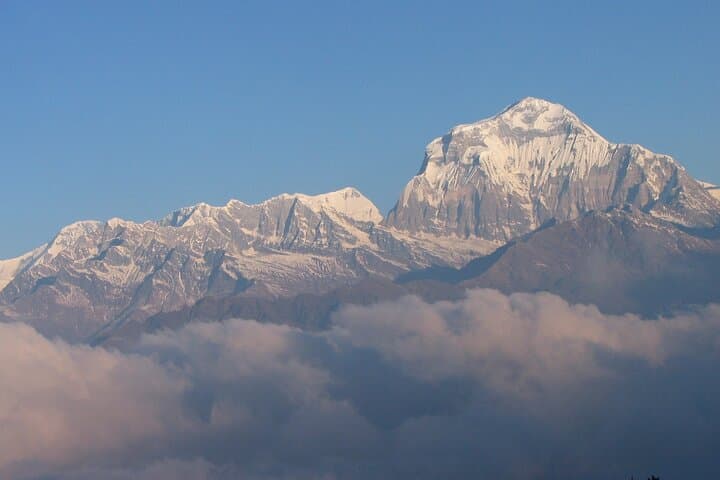
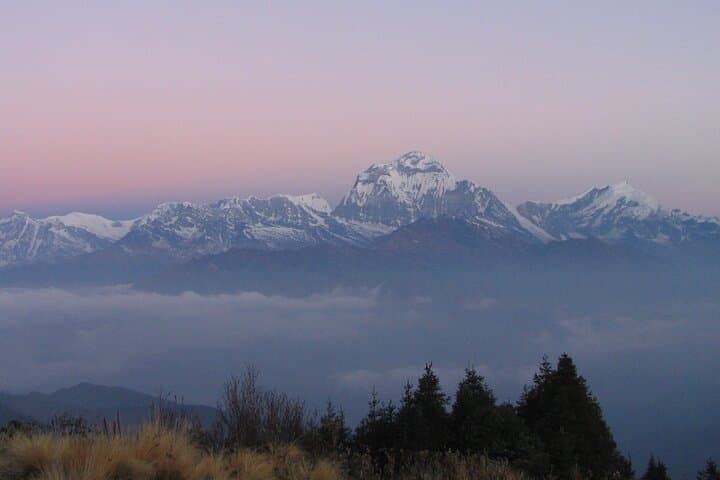
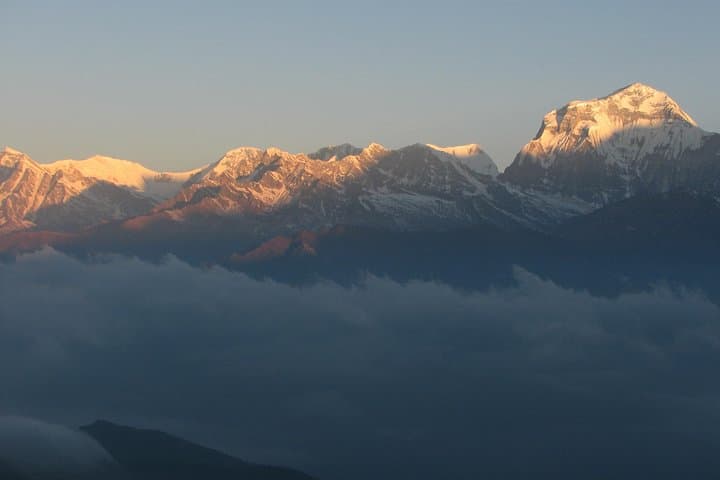
Dawn arrives cold and bright on Poon Hill. You push past sleeping guesthouses in Ghorepani, boots on rain-slick stone steps, and the ridge opens as the peaks—Dhaulagiri, Annapurna I and Machhapuchhre—catch a first hard edge of light. The air feels like a hand that lifts you higher; the range leans in, daring you to look longer.
Verified experiences and guided adventures in the surrounding area.
Operated by Nepal Hiking Pvt. Ltd. · Pokhara, Gandaki Province
Dawn arrives cold and bright on Poon Hill. You push past sleeping guesthouses in Ghorepani, boots on rain-slick stone steps, and the ridge opens as the peaks—Dhaulagiri, Annapurna I and Machhapuchhre—catch a first hard edge of light. The air feels like a hand that lifts you higher; the range leans in, daring you to look longer.
This trek threads classic Annapurna landscapes: steep stone stairways through Magar and Gurung farmlands, oak and rhododendron forests that perfume the ascent, and exposed ridgelines that reveal how the Himalaya were thrust skyward by plate collision. Villages like Ulleri and Ghandruk offer living culture—stone houses, mani walls, and communal teahouses where local stories and simple dal bhat mark the rhythm of the trail.
Practical guidance is straightforward. The itinerary moves from Pokhara to Nayapul, then climbs to Ghorepani (≈2,775m) with the Poon Hill viewpoint at about 3,210m; expect steep, sustained elevation gain and sections of uneven stone stair. Plan for early mornings, layered clothing for rapid temperature swings, and basic altitude awareness—acclimatize in Ghorepani and listen to your guide. Permits (Annapurna Conservation Area and TIMS) are required and usually handled by operators.
Expect 4–6 hours of walking on main days, good signage but limited services above main villages, and friendly porter and teahouse support. Hydrate, carry cash for tea houses, and time your summit for sunrise—when the mountains push the horizon into a plain of sharp light and the whole trek makes clear why walkers return.
moderate.
6 days.
Good cardiovascular fitness and experience with all-day uphill/downhill hiking; able to carry 6–8 kg or hire porter.
Yes—Annapurna Conservation Area Project (ACAP) permits and a TIMS card are required; most operators include these in the package.
Poon Hill sits around 3,210m; altitude sickness is possible—allow rest days, stay hydrated, and report symptoms to your guide.
This is a teahouse trek with basic guesthouses offering simple beds and home-cooked meals; carry cash for snacks and extras.
Late September–November and March–May generally offer the clearest skies; monsoon months often bring cloud and limited visibility.
The route passes Magar and Gurung villages—ethnic groups with long agricultural and hill-trading traditions who shaped stone steps and teahouse culture in the Annapurna foothills.
This trek lies inside the Annapurna Conservation Area; stick to marked trails, pack out waste when possible, and support local teahouses to sustain community-based conservation.
Nepal Hiking Pvt. Ltd. operates guided outdoor trips and adventures with an emphasis on safety, stewardship, and memorable experiences.
Dawn arrives cold and bright on Poon Hill. You push past sleeping guesthouses in Ghorepani, boots on rain-slick stone steps, and the ridge opens as the peaks—Dhaulagiri, Annapurna I and Machhapuchhre—catch a first hard edge of light. The air feels like a hand that lifts you higher; the range leans in, daring you to look longer.
Dawn arrives cold and bright on Poon Hill. You push past sleeping guesthouses in Ghorepani, boots on rain-slick stone steps, and the ridge opens as the peaks—Dhaulagiri, Annapurna I and Machhapuchhre—catch a first hard edge of light. The air feels like a hand that lifts you higher; the range leans in, daring you to look longer.
This trek threads classic Annapurna landscapes: steep stone stairways through Magar and Gurung farmlands, oak and rhododendron forests that perfume the ascent, and exposed ridgelines that reveal how the Himalaya were thrust skyward by plate collision. Villages like Ulleri and Ghandruk offer living culture—stone houses, mani walls, and communal teahouses where local stories and simple dal bhat mark the rhythm of the trail.
Practical guidance is straightforward. The itinerary moves from Pokhara to Nayapul, then climbs to Ghorepani (≈2,775m) with the Poon Hill viewpoint at about 3,210m; expect steep, sustained elevation gain and sections of uneven stone stair. Plan for early mornings, layered clothing for rapid temperature swings, and basic altitude awareness—acclimatize in Ghorepani and listen to your guide. Permits (Annapurna Conservation Area and TIMS) are required and usually handled by operators.
Expect 4–6 hours of walking on main days, good signage but limited services above main villages, and friendly porter and teahouse support. Hydrate, carry cash for tea houses, and time your summit for sunrise—when the mountains push the horizon into a plain of sharp light and the whole trek makes clear why walkers return.