THE ADVENTURE COLLECTIVE® · Independent discovery and booking for outdoor travel

Short on time but craving Himalayan views? The Ghorepani–Ghandruk trek packs sunrise on Poon Hill, Gurung culture and sweeping Annapurna panoramas into a compact, 4–5 day loop from Pokhara.
Short on time but craving Himalayan views? The Ghorepani–Ghandruk trek packs sunrise on Poon Hill, Gurung culture and sweeping Annapurna panoramas into a compact, 4–5 day loop from Pokhara.
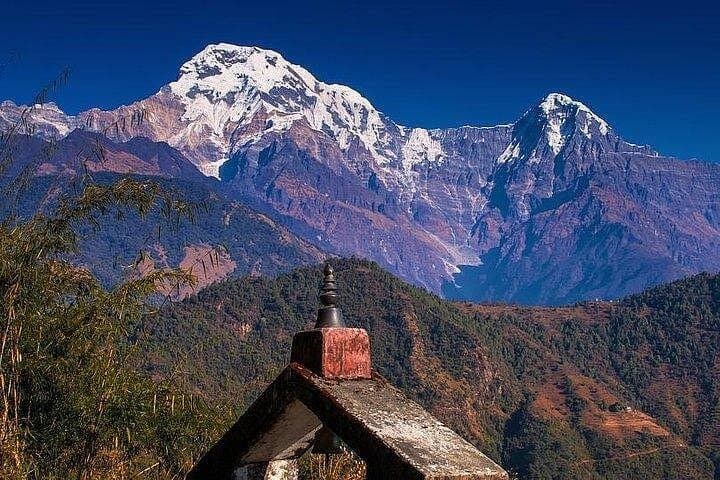
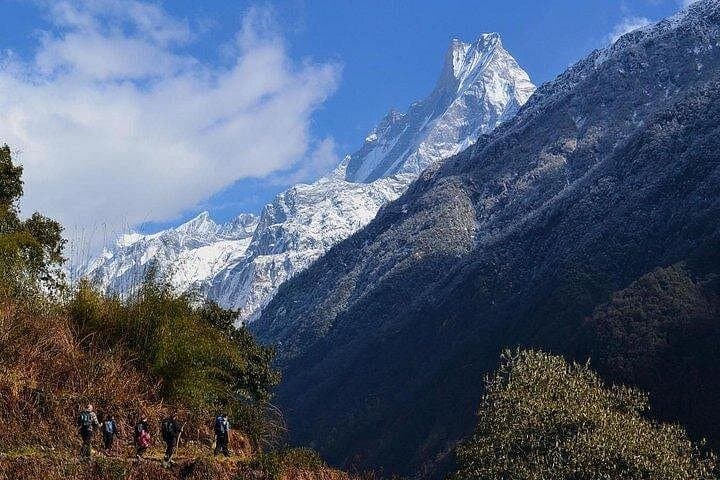
Dawn arrives cold and precise on Poon Hill. Trekkers move in a slow, steady line up stone steps and rhododendron-swathed trails; the first light slices across Annapurna South and the jagged teeth of Fishtail, turning snow into silver. The Ghorepani–Ghandruk route threads traditional Magar and Gurung villages, terraced fields and bamboo forests, offering changing microclimates and constant mountain views.
Verified experiences and guided adventures in the surrounding area.
Operated by Himalayan Smile Treks and Adventure Pvt. Ltd · Pokhara, Gandaki Province
Dawn arrives cold and precise on Poon Hill. Trekkers move in a slow, steady line up stone steps and rhododendron-swathed trails; the first light slices across Annapurna South and the jagged teeth of Fishtail, turning snow into silver. The Ghorepani–Ghandruk route threads traditional Magar and Gurung villages, terraced fields and bamboo forests, offering changing microclimates and constant mountain views.
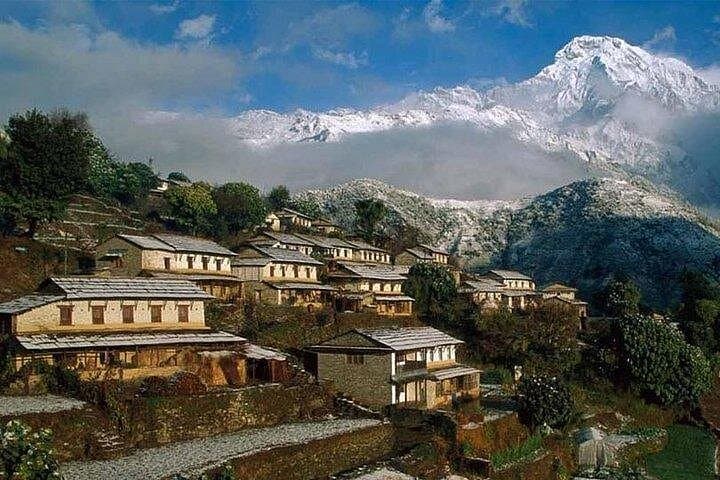
The trail follows centuries-old shepherd and salt routes that linked hill communities to the Pokhara valley. Geologically the corridor sits on the southern flank of the Annapurna massif; glaciers higher up sculpted deep valleys and pushed moraine that now hosts the villages and streams. Culturally, Ghandruk is a living Gurung settlement—stone houses, carved wooden windows and a small museum preserve local music, dress and Anglo-Nepalese war history.
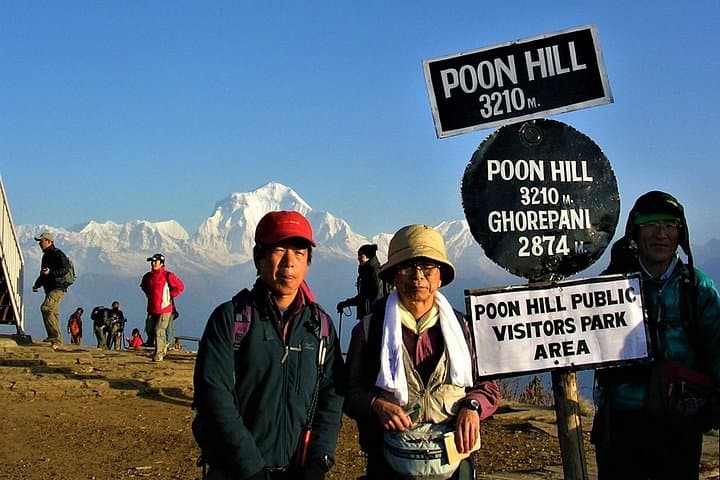
Expect tea-house nights, communal meals and well-marked stairways that climb steadily: Nayapul to Ulleri, then Ghorepani, a pre-dawn ascent to Poon Hill (around 3,210 m), onward through rhododendron forest to Tadapani and down to Ghandruk before returning to Nayapul.
Practically, pace the ascent to avoid altitude sickness—gain is moderate but sustained. Footwear with good grip and a lightweight daypack matter more than ultralight gear. Water and sun protection are critical; morning starts are cold and afternoons can be warm. Guides and porters are common; permits (ACAP, TIMS) are required. Spring and autumn give the clearest views; monsoon brings green forests and slippery trails. The route is accessible to fit beginners and rewarding for experienced hikers seeking short, concentrated mountain scenery.
moderate.
4–5 days.
Suitable for hikers with regular cardio fitness; you should be comfortable walking 4–6 hours a day on uneven steps and trails.
Yes. You must carry an ACAP permit and a TIMS card; guides or agencies typically arrange these before departure.
Poon Hill is about 3,210 m; altitude sickness is possible but less common on this route—monitor symptoms and ascend slowly.
This is a teahouse trek: lodges provide meals and simple rooms; sleeping bags are commonly rented if you don't bring one.
Autumn (Sept–Nov) and spring (Mar–May) offer the clearest mountain views and pleasant trekking conditions.
The trail follows historic trade and transhumance routes used by Gurung and Magar communities and later by British-era porters and guides.
The trek lies inside the Annapurna Conservation Area (ACAP); stick to trails, dispose of waste at villages and support local lodges to keep tourism sustainable.
Himalayan Smile Treks and Adventure Pvt. Ltd operates guided outdoor trips and adventures with an emphasis on safety, stewardship, and memorable experiences.
Dawn arrives cold and precise on Poon Hill. Trekkers move in a slow, steady line up stone steps and rhododendron-swathed trails; the first light slices across Annapurna South and the jagged teeth of Fishtail, turning snow into silver. The Ghorepani–Ghandruk route threads traditional Magar and Gurung villages, terraced fields and bamboo forests, offering changing microclimates and constant mountain views.
Dawn arrives cold and precise on Poon Hill. Trekkers move in a slow, steady line up stone steps and rhododendron-swathed trails; the first light slices across Annapurna South and the jagged teeth of Fishtail, turning snow into silver. The Ghorepani–Ghandruk route threads traditional Magar and Gurung villages, terraced fields and bamboo forests, offering changing microclimates and constant mountain views.
The trail follows centuries-old shepherd and salt routes that linked hill communities to the Pokhara valley. Geologically the corridor sits on the southern flank of the Annapurna massif; glaciers higher up sculpted deep valleys and pushed moraine that now hosts the villages and streams. Culturally, Ghandruk is a living Gurung settlement—stone houses, carved wooden windows and a small museum preserve local music, dress and Anglo-Nepalese war history.
Expect tea-house nights, communal meals and well-marked stairways that climb steadily: Nayapul to Ulleri, then Ghorepani, a pre-dawn ascent to Poon Hill (around 3,210 m), onward through rhododendron forest to Tadapani and down to Ghandruk before returning to Nayapul.
Practically, pace the ascent to avoid altitude sickness—gain is moderate but sustained. Footwear with good grip and a lightweight daypack matter more than ultralight gear. Water and sun protection are critical; morning starts are cold and afternoons can be warm. Guides and porters are common; permits (ACAP, TIMS) are required. Spring and autumn give the clearest views; monsoon brings green forests and slippery trails. The route is accessible to fit beginners and rewarding for experienced hikers seeking short, concentrated mountain scenery.