THE ADVENTURE COLLECTIVE® · Independent discovery and booking for outdoor travel

Spend three days tracing ancient staircuts carved into sandstone, climb to cliffside sanctuaries like Abuna Yemata Guh, and return each evening to boutique lodges beneath the Gheralta massif. Expect steep paths, narrow ledges, and living monastic culture.
Spend three days tracing ancient staircuts carved into sandstone, climb to cliffside sanctuaries like Abuna Yemata Guh, and return each evening to boutique lodges beneath the Gheralta massif. Expect steep paths, narrow ledges, and living monastic culture.
You step from the shade of an acacia into an open plateau and the cliff-face looms — a honeycomb of doorways and tiny windows cut into orange sandstone. Wind scrapes across ledges; voices echo from courtyards carved where monks once lived. Over three days the Gheralta massif draws you upward: narrow paths, iron-studded footholds and cliffside ledges that demand steady feet more than speed.
Verified experiences and guided adventures in the surrounding area.
Operated by Danakil Depression Tours · Hawzen, Tigray
You step from the shade of an acacia into an open plateau and the cliff-face looms — a honeycomb of doorways and tiny windows cut into orange sandstone. Wind scrapes across ledges; voices echo from courtyards carved where monks once lived. Over three days the Gheralta massif draws you upward: narrow paths, iron-studded footholds and cliffside ledges that demand steady feet more than speed.
These rock-hewn churches date from medieval monastic movements and, in some cases, the 14th century onward. Carved into soft sandstone, their interiors preserve painted ceilings, cruciform plans and tabots central to Ethiopian Orthodox worship. The geology is raw: stratified sandstone wore into gullies and steep escarpments, creating the dramatic overhangs that allowed builders to hollow sanctuaries high above valleys.
Culture here is lived — villagers keep centuries-old liturgies and invite travelers for coffee and injera, while local guides recall the saints and monks associated with each church. Expect a mix of walking, short scrambles and occasional exposed ledges; Abuna Yemata Guh’s final approach uses hand- and footholds cut into the rock.
Practical edge: travel light, bring used-toe hiking boots and gloves for the grips, and allow time for slow, careful climbs. Morning light is best for photos and for cooler climbing conditions. Most nights you’ll sleep in small boutique lodges or hotels in Hawzen or Mekele, returning from long days of exploration to verandas and hot coffee.
This is a culturally rich, physically engaging trip — not alpine climbing, but not a stroll either. Good fitness, caution on exposed sections, and respect for active worship spaces make the experience rewarding and memorable.
challenging.
3 days.
Moderate to fit—able to hike 3–6 hours per day with short exposed scrambles and stair climbs.
Approaches range from steep walks to exposed scrambles using footholds cut into the rock; no technical climbing gear is generally required but routes demand sure-footedness and comfort with exposure.
Many are active places of worship; visitors may enter when allowed but must remove shoes and follow local customs and the guide’s instructions.
A moderate to good fitness level is recommended—expect multi-hour days with elevation change and sections requiring hand-assisted climbing.
This trip is not recommended for travelers with significant spinal or cardiovascular conditions due to steep approaches and exposed ledges.
The Gheralta churches are products of a long monastic tradition in Tigray; many were hewn into sandstone between the medieval period and later centuries and remain linked to local saints and monastic founders.
Sandstone is fragile; stick to established paths and avoid touching painted surfaces. Supporting local lodges and licensed guides helps sustain conservation and community economies.
Danakil Depression Tours operates guided outdoor trips and adventures with an emphasis on safety, stewardship, and memorable experiences.
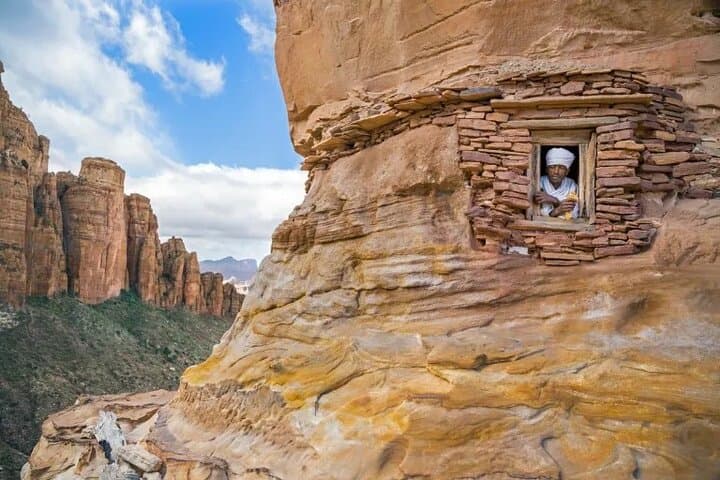
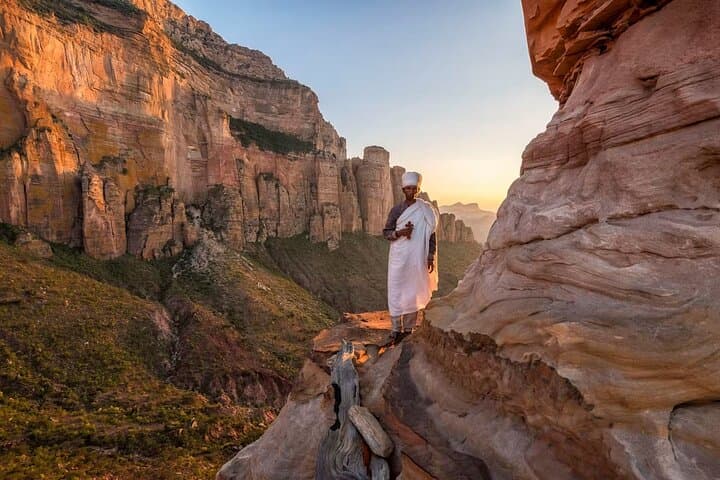
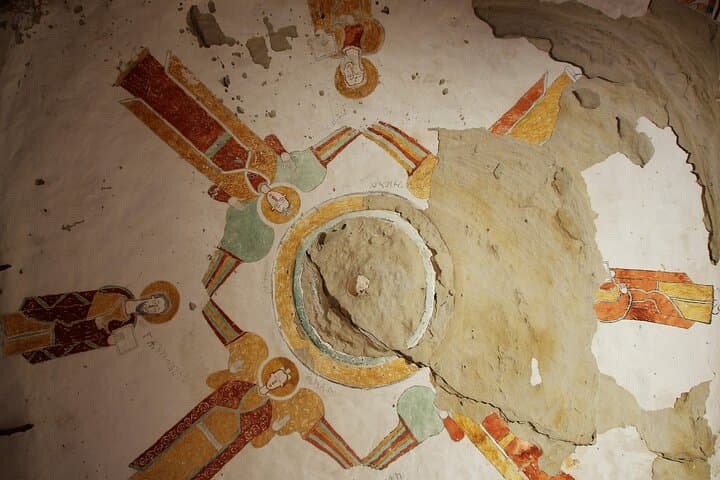
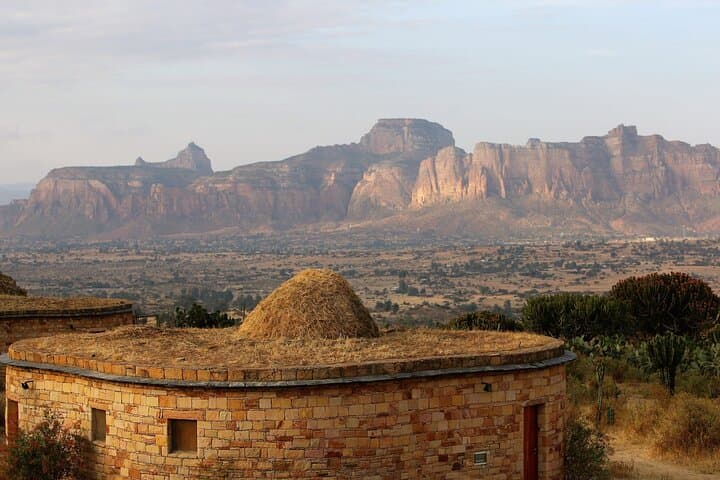
You step from the shade of an acacia into an open plateau and the cliff-face looms — a honeycomb of doorways and tiny windows cut into orange sandstone. Wind scrapes across ledges; voices echo from courtyards carved where monks once lived. Over three days the Gheralta massif draws you upward: narrow paths, iron-studded footholds and cliffside ledges that demand steady feet more than speed.
You step from the shade of an acacia into an open plateau and the cliff-face looms — a honeycomb of doorways and tiny windows cut into orange sandstone. Wind scrapes across ledges; voices echo from courtyards carved where monks once lived. Over three days the Gheralta massif draws you upward: narrow paths, iron-studded footholds and cliffside ledges that demand steady feet more than speed.
These rock-hewn churches date from medieval monastic movements and, in some cases, the 14th century onward. Carved into soft sandstone, their interiors preserve painted ceilings, cruciform plans and tabots central to Ethiopian Orthodox worship. The geology is raw: stratified sandstone wore into gullies and steep escarpments, creating the dramatic overhangs that allowed builders to hollow sanctuaries high above valleys.
Culture here is lived — villagers keep centuries-old liturgies and invite travelers for coffee and injera, while local guides recall the saints and monks associated with each church. Expect a mix of walking, short scrambles and occasional exposed ledges; Abuna Yemata Guh’s final approach uses hand- and footholds cut into the rock.
Practical edge: travel light, bring used-toe hiking boots and gloves for the grips, and allow time for slow, careful climbs. Morning light is best for photos and for cooler climbing conditions. Most nights you’ll sleep in small boutique lodges or hotels in Hawzen or Mekele, returning from long days of exploration to verandas and hot coffee.
This is a culturally rich, physically engaging trip — not alpine climbing, but not a stroll either. Good fitness, caution on exposed sections, and respect for active worship spaces make the experience rewarding and memorable.