THE ADVENTURE COLLECTIVE® · Independent discovery and booking for outdoor travel

Climb sandstone ridgelines to reach precarious, centuries-old cliff churches in Gheralta. This day trip combines 3–4 hours of hiking with up-close access to rock-hewn interiors and sweeping highland views.
Climb sandstone ridgelines to reach precarious, centuries-old cliff churches in Gheralta. This day trip combines 3–4 hours of hiking with up-close access to rock-hewn interiors and sweeping highland views.
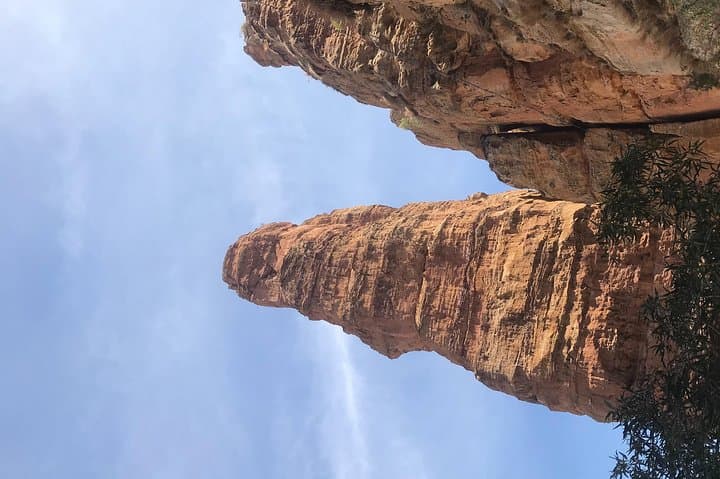
You crest a low ridge and the valley opens—sheer sandstone spines cut into the sky and, improbably, small stone churches sit like birdhouses on ledges. The air smells of dry grass and incense; local guides call out steps and offer a rope where the path narrows.
Verified experiences and guided adventures in the surrounding area.
Operated by ARRE TOURS AND TRAVEL · Hawzen, Tigray
You crest a low ridge and the valley opens—sheer sandstone spines cut into the sky and, improbably, small stone churches sit like birdhouses on ledges. The air smells of dry grass and incense; local guides call out steps and offer a rope where the path narrows.
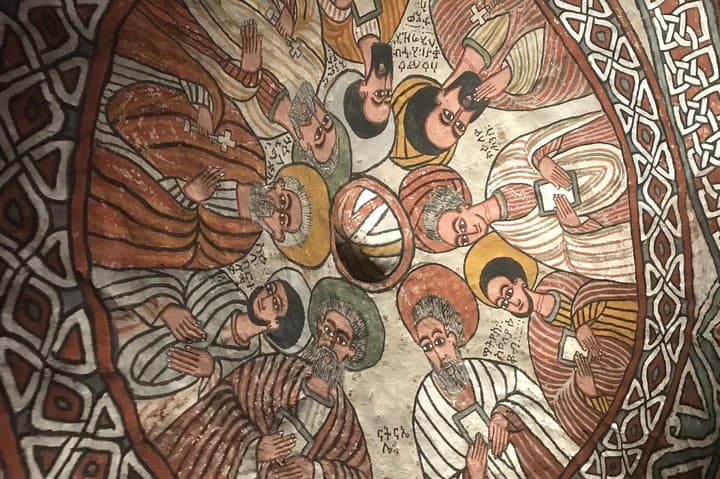
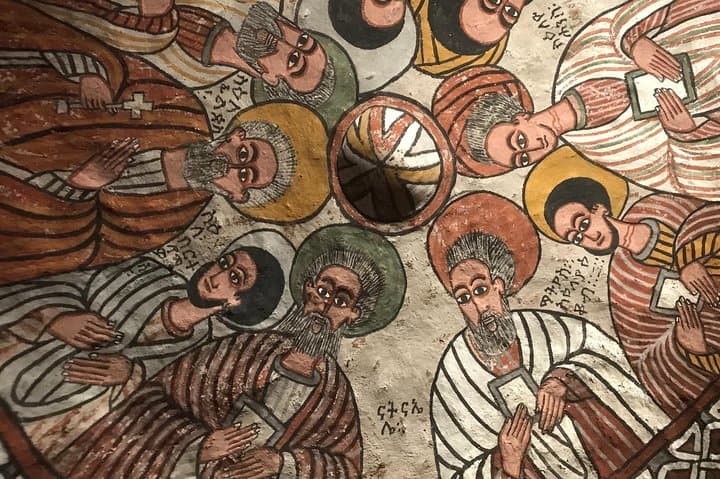
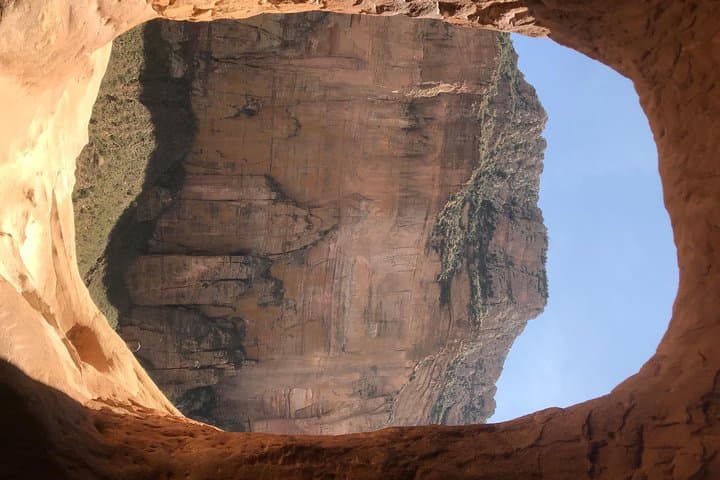
These cliffside sanctuaries date back many centuries. Carved and constructed in the rock faces of the Gheralta massif, Abune Yemata Guh and the Maryam and Daniel Korkor chapels preserve vivid Ge'ez-era frescoes and a continuity of worship that threads Tigray's highlands to Axumite history. Geologically, the massif is Precambrian sandstone—steep, weathered cliffs that require careful footwork and respect for loose stone.
Culturally, the churches are active places: modest dress and quiet are expected, and you’ll see priests maintaining candles and paintings. Locals prize these sites for pilgrimage and daily devotion as much as for views.
Practical guidance: expect steep, exposed hiking—Maryam Korkor and Daniel Korkor typically require a 3–4 hour round trip; Abune Yemata Guh takes about 1–1.5 hours on the ledges to explore. Wear grippy hiking shoes, carry 1–2 liters of water, sun protection, and a light layer for wind. If you’re uneasy with heights, plan accordingly—the final approach to Abune Yemata uses metal rungs and narrow ledges; guides anchor ropes where needed. Photography is allowed in many areas but ask before shooting priests or interiors. Tours normally include private transport from Axum; start early to avoid heat and to catch the clearest light on the frescoes.
challenging.
5–6 hours.
Good aerobic base and the ability to handle sustained uphill hiking and exposed scrambling for several hours.
The final approach and time at Abune Yemata Guh are typically 1–1.5 hours; most groups spend extra time inside the chapel viewing frescoes and the ledge views.
Parts are exposed with metal rungs and narrow ledges; guides often provide ropes and assistance, but those with acute vertigo should consider staying at lower viewpoints.
Admission is typically managed locally and many tours include any local access fees; check with your operator and carry small bills for onsite charges or donations.
Private transport from Axum is standard on day trips and experienced local guides lead the hike and manage safety on exposed sections.
The Gheralta churches were founded and maintained over many centuries; several cliff churches preserve medieval Ge'ez inscriptions and painted interiors reflecting regional Orthodox practice.
These fragile stone churches and frescoes are vulnerable to erosion and touch; visitors should stay on established paths, avoid touching painted surfaces, and support local conservation initiatives.
ARRE TOURS AND TRAVEL operates guided outdoor trips and adventures with an emphasis on safety, stewardship, and memorable experiences.
You crest a low ridge and the valley opens—sheer sandstone spines cut into the sky and, improbably, small stone churches sit like birdhouses on ledges. The air smells of dry grass and incense; local guides call out steps and offer a rope where the path narrows.
You crest a low ridge and the valley opens—sheer sandstone spines cut into the sky and, improbably, small stone churches sit like birdhouses on ledges. The air smells of dry grass and incense; local guides call out steps and offer a rope where the path narrows.
These cliffside sanctuaries date back many centuries. Carved and constructed in the rock faces of the Gheralta massif, Abune Yemata Guh and the Maryam and Daniel Korkor chapels preserve vivid Ge'ez-era frescoes and a continuity of worship that threads Tigray's highlands to Axumite history. Geologically, the massif is Precambrian sandstone—steep, weathered cliffs that require careful footwork and respect for loose stone.
Culturally, the churches are active places: modest dress and quiet are expected, and you’ll see priests maintaining candles and paintings. Locals prize these sites for pilgrimage and daily devotion as much as for views.
Practical guidance: expect steep, exposed hiking—Maryam Korkor and Daniel Korkor typically require a 3–4 hour round trip; Abune Yemata Guh takes about 1–1.5 hours on the ledges to explore. Wear grippy hiking shoes, carry 1–2 liters of water, sun protection, and a light layer for wind. If you’re uneasy with heights, plan accordingly—the final approach to Abune Yemata uses metal rungs and narrow ledges; guides anchor ropes where needed. Photography is allowed in many areas but ask before shooting priests or interiors. Tours normally include private transport from Axum; start early to avoid heat and to catch the clearest light on the frescoes.