THE ADVENTURE COLLECTIVE® · Independent discovery and booking for outdoor travel

A short, family-friendly trek from Pokhara into the Gurung heartland, the Ghandruk route delivers close-up views of Machhapuchhre and Annapurna South across terraced fields and forested ridgelines. Ideal for beginners, the trip pairs accessible trails with guesthouse stays and local cultural encounters.
A short, family-friendly trek from Pokhara into the Gurung heartland, the Ghandruk route delivers close-up views of Machhapuchhre and Annapurna South across terraced fields and forested ridgelines. Ideal for beginners, the trip pairs accessible trails with guesthouse stays and local cultural encounters.
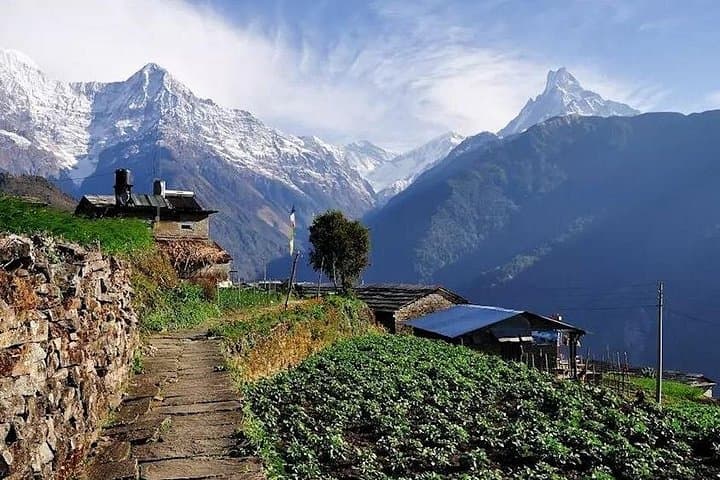
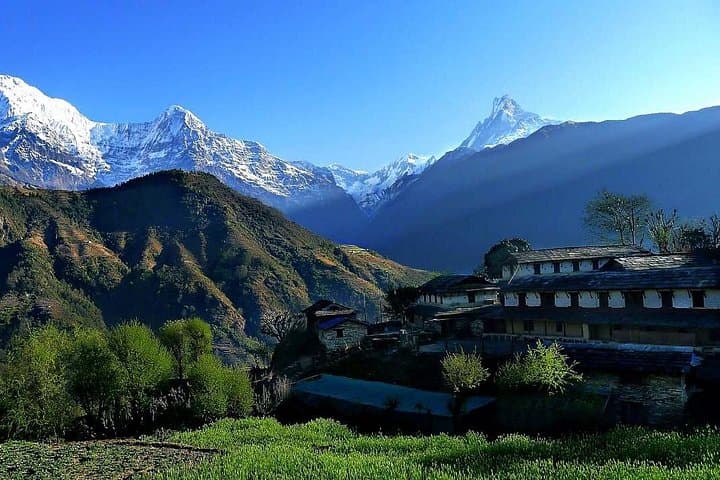
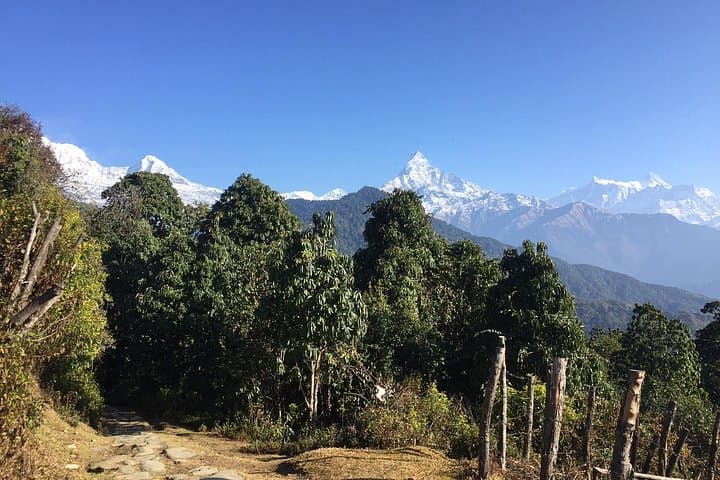
You leave Pokhara before breakfast and the road narrows into a hand-built switchback that feels as if the mountains are pulling you forward. At Phedi the trail begins as a steady climb through sal and rhododendron forest, stair-stepped by centuries of local stonework. By mid-morning the path opens to terraced fields and the first, startling views of Machhapuchhre (Fishtail) and Annapurna South — peaks that dominate the valley like patient, granite guards.
Verified experiences and guided adventures in the surrounding area.
Operated by Nepal Mountain Club Pvt Ltd · Ghandruk, Gandaki Province
You leave Pokhara before breakfast and the road narrows into a hand-built switchback that feels as if the mountains are pulling you forward. At Phedi the trail begins as a steady climb through sal and rhododendron forest, stair-stepped by centuries of local stonework. By mid-morning the path opens to terraced fields and the first, startling views of Machhapuchhre (Fishtail) and Annapurna South — peaks that dominate the valley like patient, granite guards.
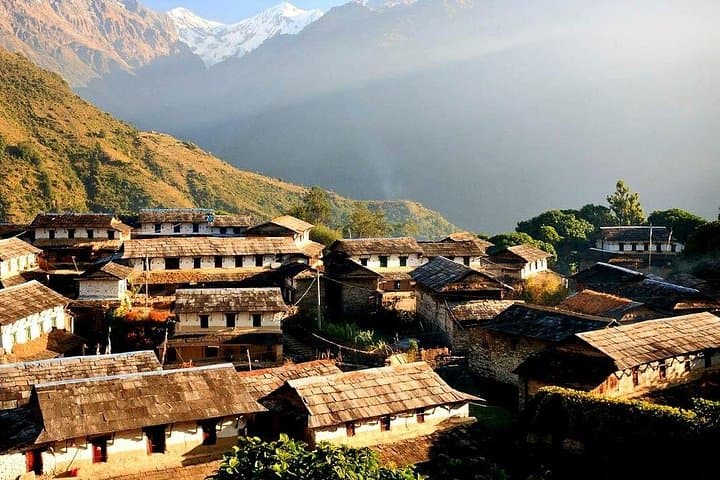
Ghandruk is a traditional Gurung village with houses of baked mud and slate roofs, inhabited for generations by a community known for its military traditions and rich oral storytelling. Geologically, the trek threads the lower flanks of the Annapurna massif: weathered schists, steep river-cut valleys, and fertile alluvial benches where farmers carve rice into the hills. The cultural pulse is visible — prayer flags marking passes, communal chautaras (resting platforms), and teahouses offering dhal bhat and strong tea.
Practical guidance: this short route is suitable for families and beginner trekkers; expect 3–5 days of walking with daily stretches of 3–6 hours on well-defined trails and stone steps. Accommodations are in family-run guesthouses; nights are cool at 1,600–2,000 m so layers are essential. Carry a water filter or purification tablets, bring cash for teahouse purchases, and obtain the Annapurna Conservation Area Permit (ACAP) and TIMS before departure. Pace uphill to avoid breathlessness; the ascent is steady rather than technical. Mornings offer the clearest mountain light for photography; afternoons can cloud up, especially in monsoon season. With minimal gear and a steady pace, the Ghandruk trek gives close mountain views, living culture, and a taste of Annapurna's quieter trails.
easy.
3–5 days.
Suitable for beginners and families; basic cardio fitness and comfort walking 3–6 hours a day is sufficient.
The highest village on this route is around 2,000 m (Ghandruk); altitude sickness is uncommon but stay hydrated, ascend gradually, and rest if you feel unwell.
The Annapurna Conservation Area Permit (ACAP) and TIMS permit are required; this tour lists them as included, but confirm before departure.
Overnight stays are in family-run guesthouses with basic rooms, shared bathrooms, simple hot showers when available, and hearty meals provided.
Yes; the route is described as family-friendly with manageable daily distances and no technical climbing, but children should be accompanied by an adult and prepared for stairs and variable weather.
Ghandruk is a longstanding Gurung settlement; many villagers have historic ties to the Gurkha regiments and maintain traditional songs and dances tied to their past.
This trek lies within the Annapurna Conservation Area — follow leave-no-trace practices, use designated trails, and support local guesthouses to keep tourism sustainable.
Nepal Mountain Club Pvt Ltd operates guided outdoor trips and adventures with an emphasis on safety, stewardship, and memorable experiences.
You leave Pokhara before breakfast and the road narrows into a hand-built switchback that feels as if the mountains are pulling you forward. At Phedi the trail begins as a steady climb through sal and rhododendron forest, stair-stepped by centuries of local stonework. By mid-morning the path opens to terraced fields and the first, startling views of Machhapuchhre (Fishtail) and Annapurna South — peaks that dominate the valley like patient, granite guards.
You leave Pokhara before breakfast and the road narrows into a hand-built switchback that feels as if the mountains are pulling you forward. At Phedi the trail begins as a steady climb through sal and rhododendron forest, stair-stepped by centuries of local stonework. By mid-morning the path opens to terraced fields and the first, startling views of Machhapuchhre (Fishtail) and Annapurna South — peaks that dominate the valley like patient, granite guards.
Ghandruk is a traditional Gurung village with houses of baked mud and slate roofs, inhabited for generations by a community known for its military traditions and rich oral storytelling. Geologically, the trek threads the lower flanks of the Annapurna massif: weathered schists, steep river-cut valleys, and fertile alluvial benches where farmers carve rice into the hills. The cultural pulse is visible — prayer flags marking passes, communal chautaras (resting platforms), and teahouses offering dhal bhat and strong tea.
Practical guidance: this short route is suitable for families and beginner trekkers; expect 3–5 days of walking with daily stretches of 3–6 hours on well-defined trails and stone steps. Accommodations are in family-run guesthouses; nights are cool at 1,600–2,000 m so layers are essential. Carry a water filter or purification tablets, bring cash for teahouse purchases, and obtain the Annapurna Conservation Area Permit (ACAP) and TIMS before departure. Pace uphill to avoid breathlessness; the ascent is steady rather than technical. Mornings offer the clearest mountain light for photography; afternoons can cloud up, especially in monsoon season. With minimal gear and a steady pace, the Ghandruk trek gives close mountain views, living culture, and a taste of Annapurna's quieter trails.