THE ADVENTURE COLLECTIVE® · Independent discovery and booking for outdoor travel

A short, private two-day trip from Pokhara to Ghandruk that blends easy hiking with immersive Gurung culture. Stay in a guest house, visit the Gurung Museum and a tea garden, and enjoy direct views of the Annapurna range.
A short, private two-day trip from Pokhara to Ghandruk that blends easy hiking with immersive Gurung culture. Stay in a guest house, visit the Gurung Museum and a tea garden, and enjoy direct views of the Annapurna range.
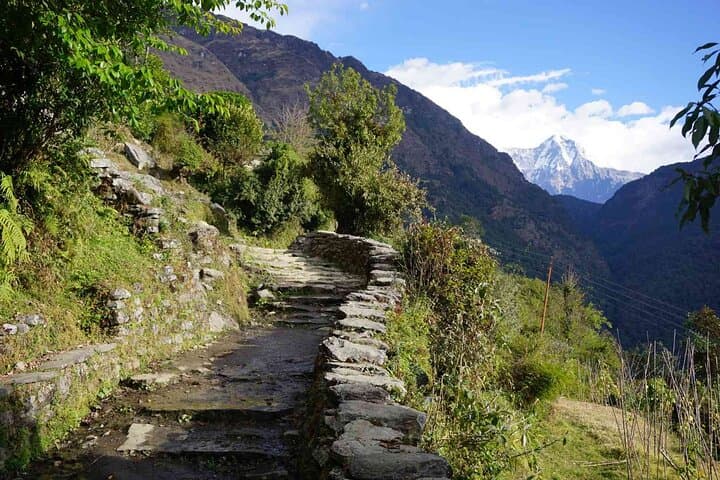
The road lifts out of Pokhara’s valley and into thinning pine and terraced fields, a private car winding past rivers that dare you to slow down and stare. In late afternoon you step off at Siwai and follow a gentle trail that climbs through rhododendron and stone walls toward Ghandruk, the village sitting like a watchpoint beneath the Annapurna range.
Verified experiences and guided adventures in the surrounding area.
Operated by Crystal Holidays Nepal · Ghandruk, Gandaki Province
The road lifts out of Pokhara’s valley and into thinning pine and terraced fields, a private car winding past rivers that dare you to slow down and stare. In late afternoon you step off at Siwai and follow a gentle trail that climbs through rhododendron and stone walls toward Ghandruk, the village sitting like a watchpoint beneath the Annapurna range.
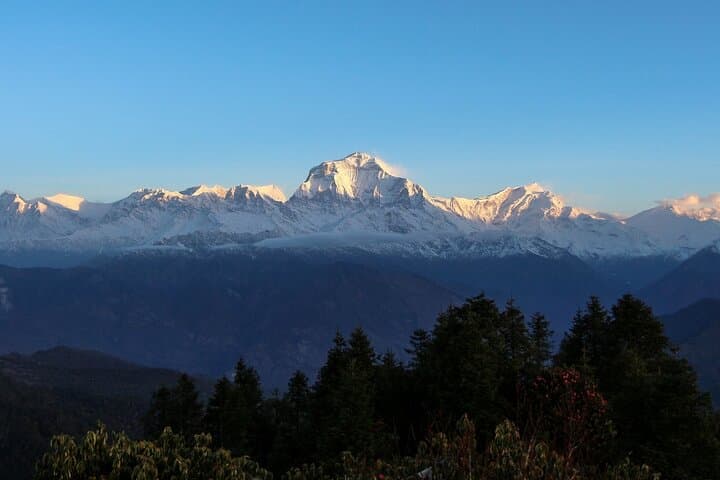
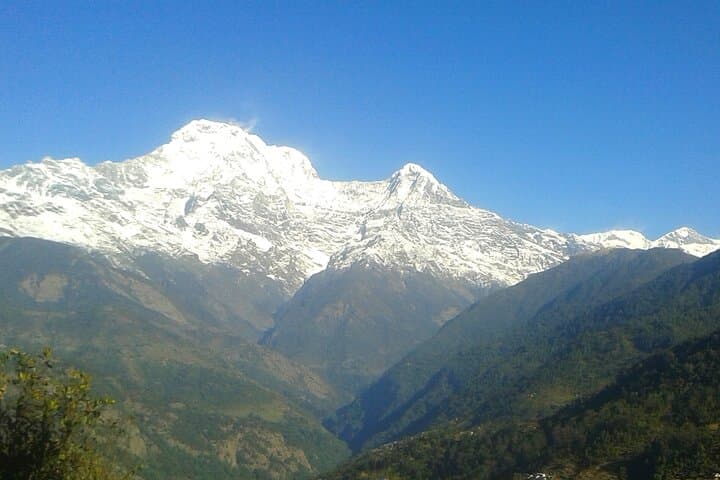
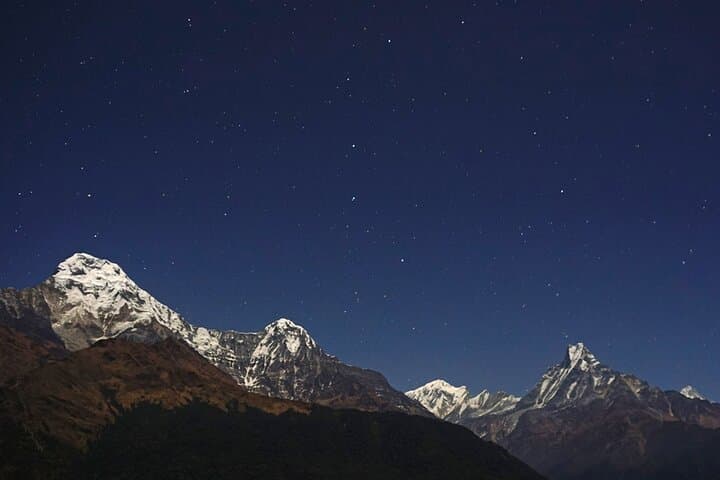
Ghandruk is a living Gurung community: stone houses with carved wood, seasonal terraces, and a museum that lays out the village’s military traditions and agricultural rhythms. Geologically, the ridges are folded metamorphic rock, carved by glaciers and monsoon-fed streams; on clear mornings the Annapurna and Machapuchare ridgelines cut a hard horizon. The tea garden nearby offers a quieter counterpoint—small plots, hand-processing demonstrations, and damp, fragrant leaves.
Practically, this is an easy multi-day outing intended for travelers who want culture with light walking. Expect packed dirt and stone steps, short uphill stretches and wide viewing spots for sunset. A local guide arranges permits, guesthouse lodging, and the return transfer to Pokhara, so navigation is straightforward but altitude and weather should be respected.
For planning: bring layered clothing for cool evenings, sturdy walking shoes for uneven steps, and a daypack with water and snacks. Sunrise and sunset are prime photo windows; mornings are best for clear mountain vistas. Respect private homes, ask before photographing people, and pack out non-biodegradable waste to keep trails and tea gardens pristine.
easy.
2 days (total hiking 5–6 hours spread over two days).
Suitable for most travelers with basic mobility; able to manage short uphill sections and stone steps.
The walks are classified easy—mostly well-trodden trails and stone steps with short uphill stretches; suitable for most fitness levels.
Yes—local permits (ACAP/TIMS or similar) are arranged by the operator and usually included in the tour package.
Simple, clean guesthouses with shared or private rooms, basic hot showers where available, and home-cooked Nepali meals.
Private round-trip transfer from Pokhara is typically included, plus local transfers between trailheads and villages.
Ghandruk is a traditional Gurung settlement known for recruitment into Gurkha regiments and preserved communal architecture; the Gurung Museum documents this military and cultural history.
Visitors are asked to minimize waste, avoid single-use plastics, and stay on designated paths to protect fragile terraces and tea plots.
Crystal Holidays Nepal operates guided outdoor trips and adventures with an emphasis on safety, stewardship, and memorable experiences.
The road lifts out of Pokhara’s valley and into thinning pine and terraced fields, a private car winding past rivers that dare you to slow down and stare. In late afternoon you step off at Siwai and follow a gentle trail that climbs through rhododendron and stone walls toward Ghandruk, the village sitting like a watchpoint beneath the Annapurna range.
The road lifts out of Pokhara’s valley and into thinning pine and terraced fields, a private car winding past rivers that dare you to slow down and stare. In late afternoon you step off at Siwai and follow a gentle trail that climbs through rhododendron and stone walls toward Ghandruk, the village sitting like a watchpoint beneath the Annapurna range.
Ghandruk is a living Gurung community: stone houses with carved wood, seasonal terraces, and a museum that lays out the village’s military traditions and agricultural rhythms. Geologically, the ridges are folded metamorphic rock, carved by glaciers and monsoon-fed streams; on clear mornings the Annapurna and Machapuchare ridgelines cut a hard horizon. The tea garden nearby offers a quieter counterpoint—small plots, hand-processing demonstrations, and damp, fragrant leaves.
Practically, this is an easy multi-day outing intended for travelers who want culture with light walking. Expect packed dirt and stone steps, short uphill stretches and wide viewing spots for sunset. A local guide arranges permits, guesthouse lodging, and the return transfer to Pokhara, so navigation is straightforward but altitude and weather should be respected.
For planning: bring layered clothing for cool evenings, sturdy walking shoes for uneven steps, and a daypack with water and snacks. Sunrise and sunset are prime photo windows; mornings are best for clear mountain vistas. Respect private homes, ask before photographing people, and pack out non-biodegradable waste to keep trails and tea gardens pristine.