THE ADVENTURE COLLECTIVE® · Independent discovery and booking for outdoor travel

Trace Ghana’s modern democracy and deep ancestral histories on a six‑day cultural loop from Accra to Kumasi and Cape Coast. Expect royal palaces, kente looms, emotional visits to slave dungeons, and a rainforest canopy walk that puts you among the treetops.
Trace Ghana’s modern democracy and deep ancestral histories on a six‑day cultural loop from Accra to Kumasi and Cape Coast. Expect royal palaces, kente looms, emotional visits to slave dungeons, and a rainforest canopy walk that puts you among the treetops.
You step off the air‑conditioned coach into the humid, Atlantic‑touched air of Accra, the city’s traffic papered with highlife and radio chatter. Market stalls riff with color nearby and, not far away, the carved doorways of a colonial fort keep their watch.
Verified experiences and guided adventures in the surrounding area.
Operated by Blemawe Xpo Ghana · Accra, Greater Accra Region
You step off the air‑conditioned coach into the humid, Atlantic‑touched air of Accra, the city’s traffic papered with highlife and radio chatter. Market stalls riff with color nearby and, not far away, the carved doorways of a colonial fort keep their watch.
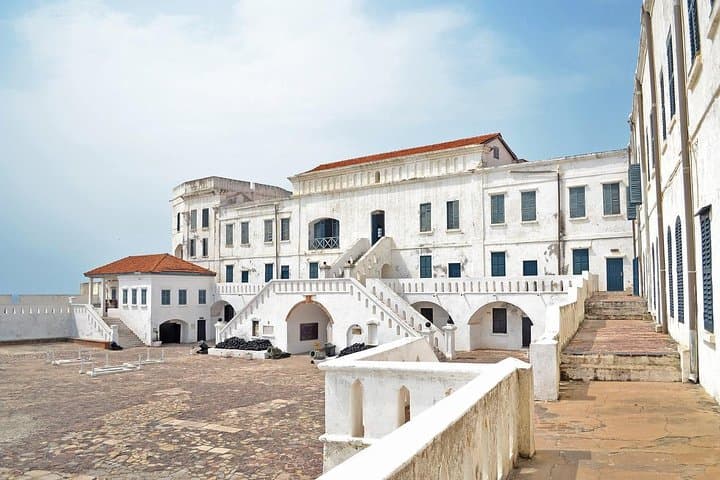
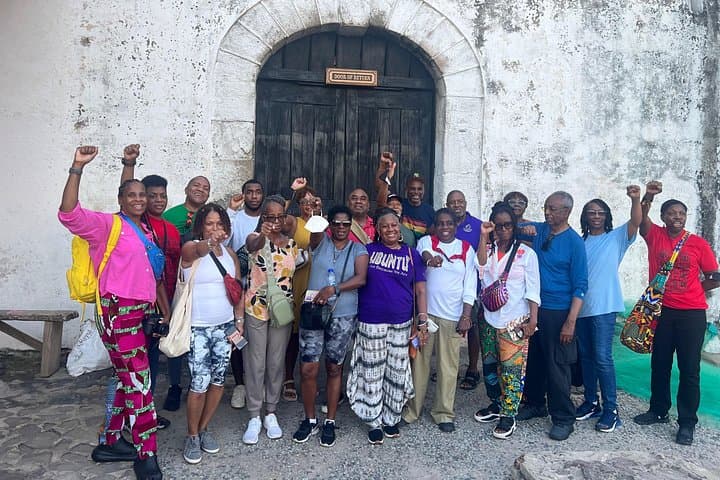
This multi‑day loop moves fast through modern capitals and deep histories: W.E.B. DuBois’s final home and museum in Accra, the royal precincts of the Ashanti in Kumasi, the cloth workshops of Bonwire and Ntonso, and the emotionally charged Cape Coast dungeons where the “door of no return” marks a painful Atlantic chapter. Geology shifts from coastal sands to the loamy, biodiverse rainforests of Kakum National Park; its canopy walkway—seven suspension bridges anchored to emergent trees about 40 meters above the forest floor—gives a bird’s‑eye ledger of the canopy and its traffic of monkeys and birds.
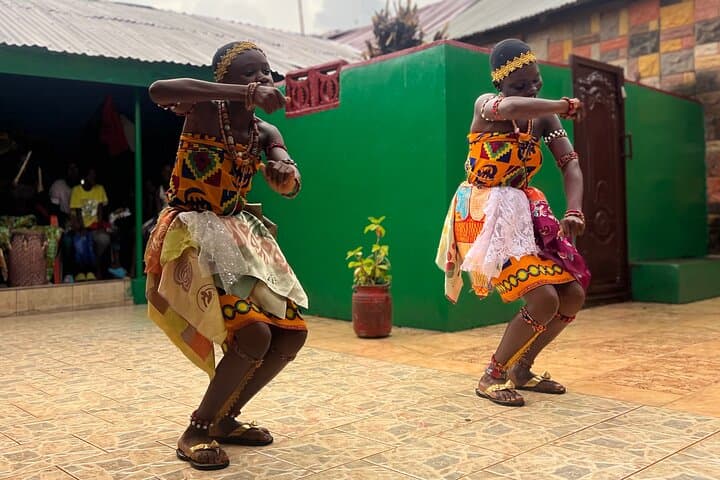
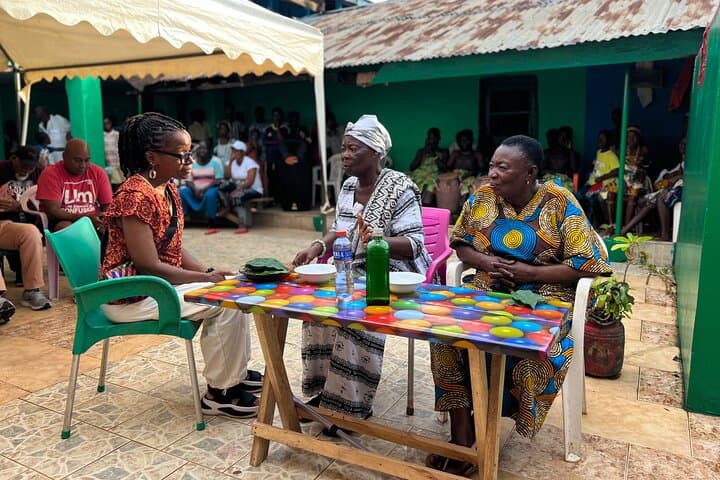
Culturally, expect living traditions: kente weaving on wooden looms, adinkra stamping with tree‑bark dye, and palaces where stool regalia still shape civic life. Small villages offer hands‑on craft demonstrations and market mazes that reward curiosity.
Practical guidance: pack good walking shoes for cobbled markets and rainforest platforms, a light rain shell for tropical showers, and a reusable water bottle. Allow time for emotions at Cape Coast Castle and keep respectful distance during royal or ritual spaces. Daily drives can be long—breaks for snacks, photographs and coconut water keep the trip human. This is a history‑forward, culture‑rich itinerary that pairs accessible logistics with encounters you’ll remember long after the coach departs.
easy.
6 days (approx. 8–10 hours/day including travel).
Suitable for travelers who can walk short to moderate distances, handle stairs and brief hikes on canopy platforms.
Visa requirements depend on your nationality—check Ghana’s government visa portal well before travel and ensure your passport has adequate validity.
Kakum’s canopy walk is maintained by park staff, requires sensible footwear and is monitored; people with severe vertigo should take care or opt out.
This tour includes mid‑range hotel accommodation as noted in the itinerary; confirm specifics and any single‑supplement if booking solo.
Tipping is customary; small daily amounts for local guides and drivers are appreciated—ask your lead guide for local norms.
Ghana was the first sub‑Saharan African country to gain independence in 1957; the 2019 Year of Return marked roughly 400 years since the start of the transatlantic slave trade era that linked West Africa and the Americas.
Kakum National Park is protected to preserve rainforest biodiversity and sustainable tourism—avoid feeding wildlife, stick to trails, and minimise plastic waste.
Blemawe Xpo Ghana operates guided outdoor trips and adventures with an emphasis on safety, stewardship, and memorable experiences.
You step off the air‑conditioned coach into the humid, Atlantic‑touched air of Accra, the city’s traffic papered with highlife and radio chatter. Market stalls riff with color nearby and, not far away, the carved doorways of a colonial fort keep their watch.
You step off the air‑conditioned coach into the humid, Atlantic‑touched air of Accra, the city’s traffic papered with highlife and radio chatter. Market stalls riff with color nearby and, not far away, the carved doorways of a colonial fort keep their watch.
This multi‑day loop moves fast through modern capitals and deep histories: W.E.B. DuBois’s final home and museum in Accra, the royal precincts of the Ashanti in Kumasi, the cloth workshops of Bonwire and Ntonso, and the emotionally charged Cape Coast dungeons where the “door of no return” marks a painful Atlantic chapter. Geology shifts from coastal sands to the loamy, biodiverse rainforests of Kakum National Park; its canopy walkway—seven suspension bridges anchored to emergent trees about 40 meters above the forest floor—gives a bird’s‑eye ledger of the canopy and its traffic of monkeys and birds.
Culturally, expect living traditions: kente weaving on wooden looms, adinkra stamping with tree‑bark dye, and palaces where stool regalia still shape civic life. Small villages offer hands‑on craft demonstrations and market mazes that reward curiosity.
Practical guidance: pack good walking shoes for cobbled markets and rainforest platforms, a light rain shell for tropical showers, and a reusable water bottle. Allow time for emotions at Cape Coast Castle and keep respectful distance during royal or ritual spaces. Daily drives can be long—breaks for snacks, photographs and coconut water keep the trip human. This is a history‑forward, culture‑rich itinerary that pairs accessible logistics with encounters you’ll remember long after the coach departs.