THE ADVENTURE COLLECTIVE® · Independent discovery and booking for outdoor travel

Participate in a traditional Ghanaian naming ceremony designed for diasporic visitors seeking cultural reconnection. Expect drumming, an elder-led rite, a locally given name, gifts like kente cloth, and a community feast.
Participate in a traditional Ghanaian naming ceremony designed for diasporic visitors seeking cultural reconnection. Expect drumming, an elder-led rite, a locally given name, gifts like kente cloth, and a community feast.
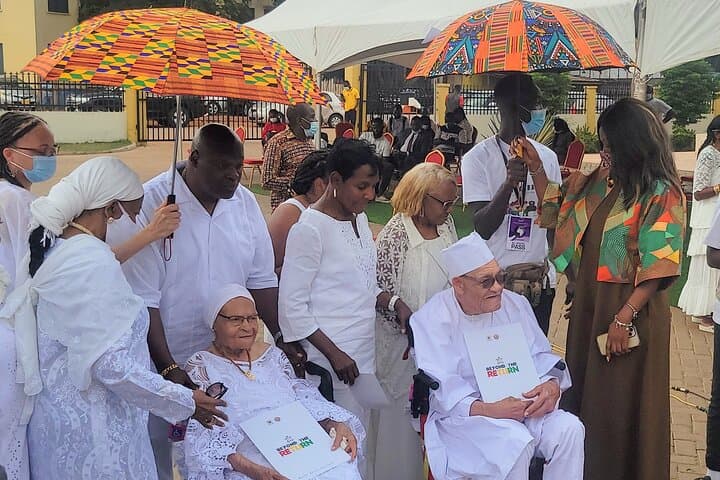
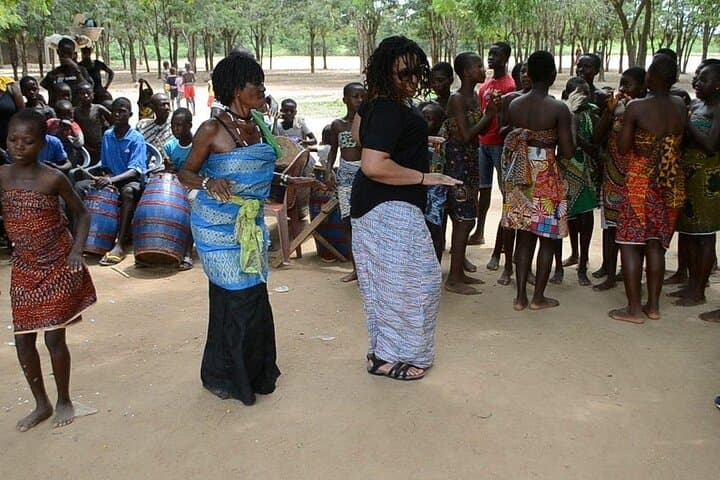
You arrive on a packed dirt lane as drums call across the compound — steady beats that seem to measure out heartbeat and history. Villagers form a semicircle beneath a broad, sun-bleached sky; elders in patterned cloth move with slow, exact gestures while children watch with bright attention. In minutes a visiting guest becomes a named person: a day-name, a locally-given name, a libation, and the careful placing of cloth and beads.
Verified experiences and guided adventures in the surrounding area.
Operated by Kwame Tours · Accra, Greater Accra
You arrive on a packed dirt lane as drums call across the compound — steady beats that seem to measure out heartbeat and history. Villagers form a semicircle beneath a broad, sun-bleached sky; elders in patterned cloth move with slow, exact gestures while children watch with bright attention. In minutes a visiting guest becomes a named person: a day-name, a locally-given name, a libation, and the careful placing of cloth and beads.
The ritual draws on Akan naming systems and wider Ghanaian rites that bind identity to lineage, place and the day of birth. Many ceremonies in and around Accra sit on the coastal plain where laterite soils and the Gulf of Guinea’s trade winds shaped settlement patterns; the region’s history includes Akan chieftaincies, colonial ports and paths of return for diasporic communities reclaiming roots.
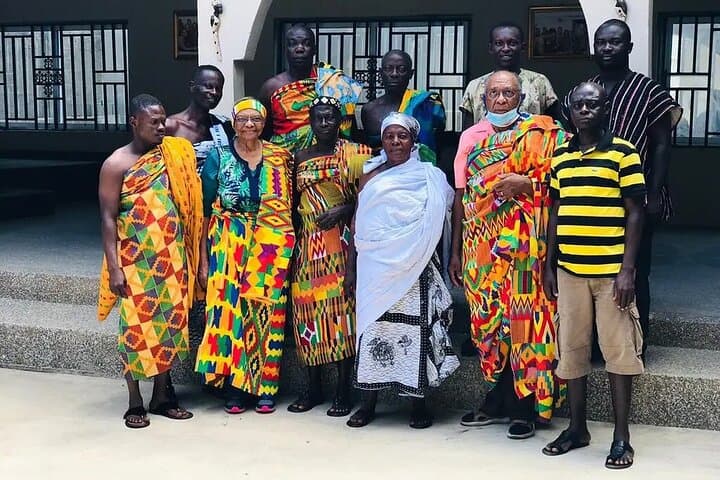
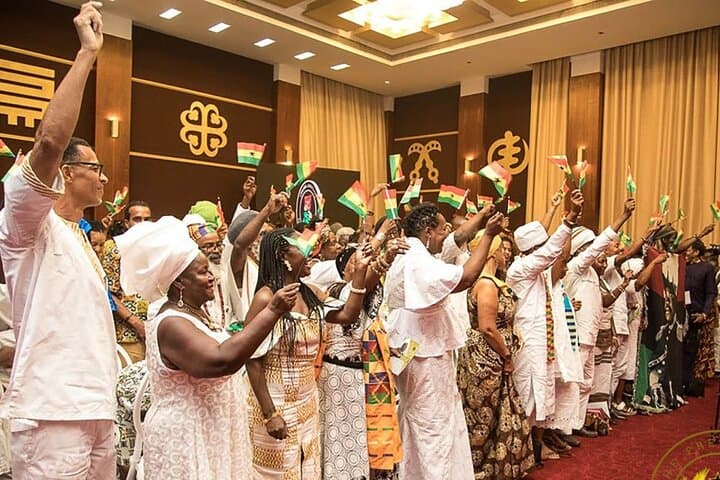
Expect communal drumming, a formal announcement by a respected elder, and practical gifts — kente stoles, beads, and a certificate marking your recognition. The pace is ceremonial but warm, with food and dancing after the rites; translators and hosts typically bridge languages and customs.
Practicalities: plan for a half- to full-day (5–8 hours), wear modest, breathable clothing you can move in, and bring an extra layer for late afternoon breezes. Photography is often welcome but always ask before close shots; small, meaningful gifts for the host family are appreciated. The experience is accessible to most travelers, and it’s best scheduled outside heavy rains — a morning ceremony avoids the midday heat and crowds. This is as much about listening and presence as it is about spectacle — arrive curious and respectful, and you’ll leave with a name, a story, and new connections.
easy.
5–8 hours.
Suitable for most fitness levels; requires standing and some walking on uneven village paths.
Yes — the ceremony typically includes a day-name and a community name announced by an elder, plus a certificate of recognition.
Yes — the tour notes it is physically easy and wheelchair/stroller accessible, though terrain can be uneven; inform hosts about mobility needs ahead of time.
Photography is often allowed for group shots and landscapes, but always ask permission before photographing close-ups or sacred moments.
A communal meal or snacks are customary; dietary needs can usually be accommodated if communicated during booking.
Naming ceremonies draw on Akan cultural systems linking names to the day of birth and clan identity; they have long played a role in formalizing social ties and ancestry in southern Ghana.
Choose operators who work directly with communities and avoid single-use plastics; community-based tourism supports local livelihoods and cultural preservation.
Kwame Tours operates guided outdoor trips and adventures with an emphasis on safety, stewardship, and memorable experiences.
You arrive on a packed dirt lane as drums call across the compound — steady beats that seem to measure out heartbeat and history. Villagers form a semicircle beneath a broad, sun-bleached sky; elders in patterned cloth move with slow, exact gestures while children watch with bright attention. In minutes a visiting guest becomes a named person: a day-name, a locally-given name, a libation, and the careful placing of cloth and beads.
You arrive on a packed dirt lane as drums call across the compound — steady beats that seem to measure out heartbeat and history. Villagers form a semicircle beneath a broad, sun-bleached sky; elders in patterned cloth move with slow, exact gestures while children watch with bright attention. In minutes a visiting guest becomes a named person: a day-name, a locally-given name, a libation, and the careful placing of cloth and beads.
The ritual draws on Akan naming systems and wider Ghanaian rites that bind identity to lineage, place and the day of birth. Many ceremonies in and around Accra sit on the coastal plain where laterite soils and the Gulf of Guinea’s trade winds shaped settlement patterns; the region’s history includes Akan chieftaincies, colonial ports and paths of return for diasporic communities reclaiming roots.
Expect communal drumming, a formal announcement by a respected elder, and practical gifts — kente stoles, beads, and a certificate marking your recognition. The pace is ceremonial but warm, with food and dancing after the rites; translators and hosts typically bridge languages and customs.
Practicalities: plan for a half- to full-day (5–8 hours), wear modest, breathable clothing you can move in, and bring an extra layer for late afternoon breezes. Photography is often welcome but always ask before close shots; small, meaningful gifts for the host family are appreciated. The experience is accessible to most travelers, and it’s best scheduled outside heavy rains — a morning ceremony avoids the midday heat and crowds. This is as much about listening and presence as it is about spectacle — arrive curious and respectful, and you’ll leave with a name, a story, and new connections.