THE ADVENTURE COLLECTIVE® · Independent discovery and booking for outdoor travel

A 15-day circuit across Ghana’s ten regions that pairs wildlife viewing with cultural immersion—from Boti Falls and Mole National Park to Ashanti palaces and coastal estuaries. Expect long drives, guided village experiences and diverse terrain.
A 15-day circuit across Ghana’s ten regions that pairs wildlife viewing with cultural immersion—from Boti Falls and Mole National Park to Ashanti palaces and coastal estuaries. Expect long drives, guided village experiences and diverse terrain.
A humid morning in Accra, the city yawning awake to seaside traffic and the distant call of market vendors, is where this 15-day circuit begins. Travelers step into an air-conditioned vehicle and cross coastal plains, climb forested escarpments and ride slow river currents that seem to pull the country’s rhythms together.
Verified experiences and guided adventures in the surrounding area.
Operated by Happy eagle tourism management · Accra, Greater Accra Region
A humid morning in Accra, the city yawning awake to seaside traffic and the distant call of market vendors, is where this 15-day circuit begins. Travelers step into an air-conditioned vehicle and cross coastal plains, climb forested escarpments and ride slow river currents that seem to pull the country’s rhythms together.
Across ten regions the route ranges from the Volta’s braided estuaries to Mole National Park’s scrub savanna, from the Kintampo falls’ thunder to the sculpted mosques of the north. Hikers will thread shaded paths to Umbrella Rock and Boti Falls; in the Ashanti heartland they'll encounter the Golden Stool’s stories and watch kente weavers at looms that have kept patterns alive for centuries. The itinerary mixes wildlife viewing—elephants and monkeys in Mole, hippos near Wa—with cultural encounters: a village salt harvest, hands-on cooking classes, and nights spent sampling Accra’s nightlife.
Geologically the country shifts quickly: coastal sediments give way to forested highlands and laterite plateaus in the north; that patchwork explains the variety of habitats and local crafts. Local guides emphasize community-led tourism and explain how shea butter and fishing tie livelihoods to landscape.
Practical notes: plan for warm, humid days and cooler nights in the north; bring sturdy walking shoes and insect protection; carry cash for markets and small entry fees. Expect long drives between regions—use the daytime for sightseeing and the dry season (Nov–Mar) for easier roads and better animal sightings. With moderate fitness, an open mind and basic kit, this itinerary threads history, geology and wildlife into a single, transportive Ghanaian journey.
moderate.
15 days.
Suitable for travelers with moderate fitness—able to handle multi-hour walks, stairs and extended vehicle transfers
Many nationalities require a visa—check Ghana’s official immigration site and secure any required visas before arrival.
The dry season (November–March) offers easier access to parks and higher likelihood of spotting larger mammals.
Breakfasts are included on most days; hotel standards vary by stop—expect 2–4 star accommodations as noted in the itinerary.
This tour involves long drives and some uneven terrain; travelers should have moderate fitness—contact the operator about special needs and mobility constraints.
The route touches Ashanti cultural centers—historically the Ashanti Empire was a major political and economic power whose palace sites remain central to regional identity.
Many protected areas operate community-based tourism and park fees support local conservation; respect wildlife viewing distances and avoid feeding animals.
Happy eagle tourism management operates guided outdoor trips and adventures with an emphasis on safety, stewardship, and memorable experiences.
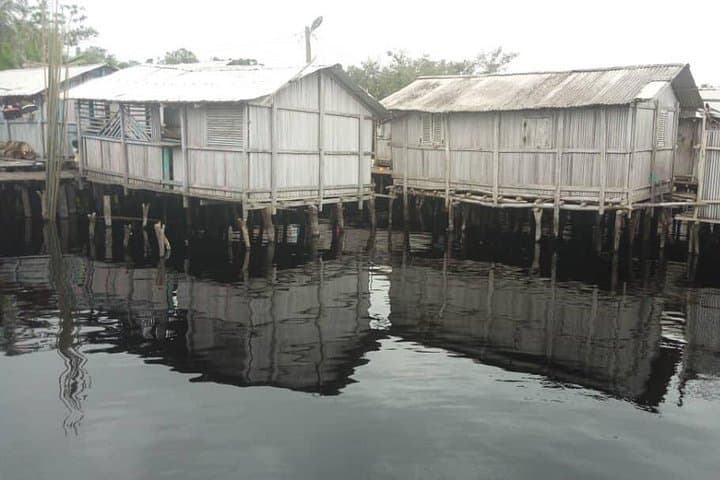
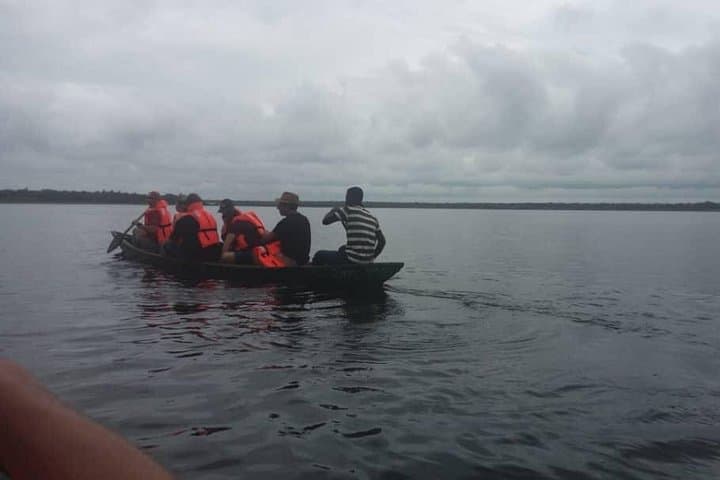
A humid morning in Accra, the city yawning awake to seaside traffic and the distant call of market vendors, is where this 15-day circuit begins. Travelers step into an air-conditioned vehicle and cross coastal plains, climb forested escarpments and ride slow river currents that seem to pull the country’s rhythms together.
A humid morning in Accra, the city yawning awake to seaside traffic and the distant call of market vendors, is where this 15-day circuit begins. Travelers step into an air-conditioned vehicle and cross coastal plains, climb forested escarpments and ride slow river currents that seem to pull the country’s rhythms together.
Across ten regions the route ranges from the Volta’s braided estuaries to Mole National Park’s scrub savanna, from the Kintampo falls’ thunder to the sculpted mosques of the north. Hikers will thread shaded paths to Umbrella Rock and Boti Falls; in the Ashanti heartland they'll encounter the Golden Stool’s stories and watch kente weavers at looms that have kept patterns alive for centuries. The itinerary mixes wildlife viewing—elephants and monkeys in Mole, hippos near Wa—with cultural encounters: a village salt harvest, hands-on cooking classes, and nights spent sampling Accra’s nightlife.
Geologically the country shifts quickly: coastal sediments give way to forested highlands and laterite plateaus in the north; that patchwork explains the variety of habitats and local crafts. Local guides emphasize community-led tourism and explain how shea butter and fishing tie livelihoods to landscape.
Practical notes: plan for warm, humid days and cooler nights in the north; bring sturdy walking shoes and insect protection; carry cash for markets and small entry fees. Expect long drives between regions—use the daytime for sightseeing and the dry season (Nov–Mar) for easier roads and better animal sightings. With moderate fitness, an open mind and basic kit, this itinerary threads history, geology and wildlife into a single, transportive Ghanaian journey.