THE ADVENTURE COLLECTIVE® · Independent discovery and booking for outdoor travel

Spend a day crossing mist-splashed waterfalls, centuries-old botanical gardens, and the historic cocoa plots that helped build modern Ghana. This accessible day tour combines short hikes, cultural stops, and local flavor—ideal for travelers based in Accra.
Spend a day crossing mist-splashed waterfalls, centuries-old botanical gardens, and the historic cocoa plots that helped build modern Ghana. This accessible day tour combines short hikes, cultural stops, and local flavor—ideal for travelers based in Accra.
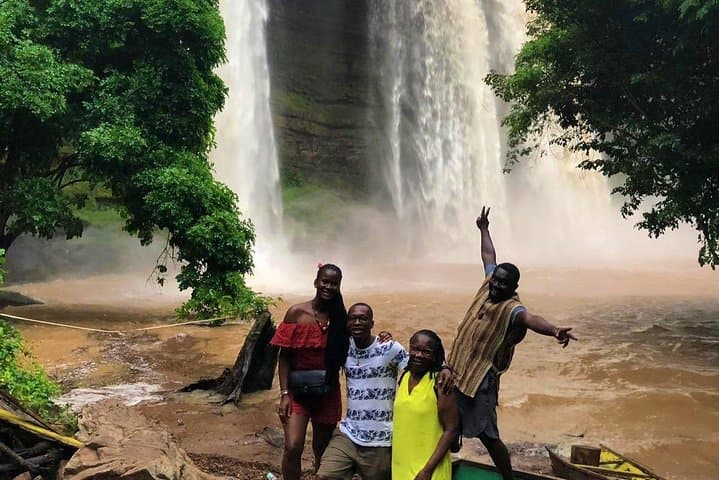
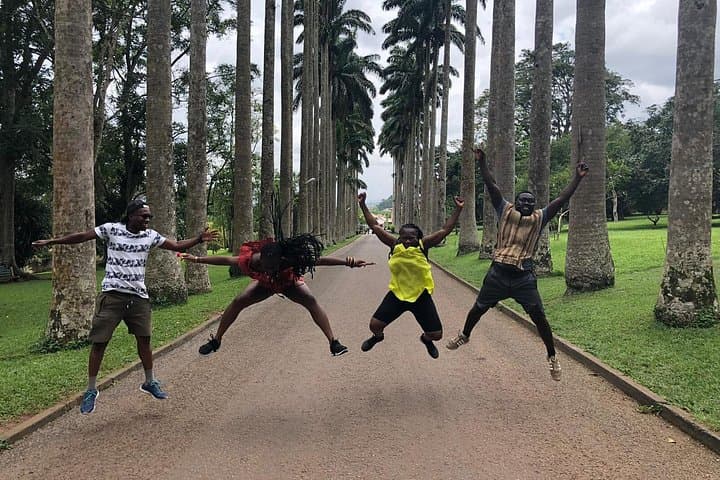
A cool mist rises from Boti Falls and the twin cascades dare you closer—one named “male,” the other “female”—their spray knifing through the humid morning air as the guide points out the Umbrella Rock perched above. Later, a lane of tall mahogany and silk-cotton trees leads you into Aburi Botanical Gardens where colonial-era pathways open onto ordered plantings and far-reaching views over the coastal plain.
Verified experiences and guided adventures in the surrounding area.
Operated by Freelancenana Travel And Tours · Accra, Greater Accra Region
A cool mist rises from Boti Falls and the twin cascades dare you closer—one named “male,” the other “female”—their spray knifing through the humid morning air as the guide points out the Umbrella Rock perched above. Later, a lane of tall mahogany and silk-cotton trees leads you into Aburi Botanical Gardens where colonial-era pathways open onto ordered plantings and far-reaching views over the coastal plain.
This one-day loop through Ghana’s Eastern Region layers natural drama with human history: Aburi’s garden dates to 1890 and was established during colonial botanical experimentation, while the Tetteh Quarshie Cocoa Farm marks the origins of Ghana’s cocoa economy—Tetteh Quarshie introduced cocoa seedlings in the late 19th century. Geologically, the area sits on weathered ancient Precambrian rocks, producing rounded hills, streams and the waterfalls that carve through laterite and schist.
Expect forested trails around the falls, paved and gravel paths inside Aburi, and shaded farm lanes at the cocoa plantation. The day blends easy short hikes (stairs and slippery rock near the falls) with cultural stops—demonstrations of cocoa processing and a relaxed lunch in a village setting.
Practical notes: travel light, wear grippy shoes for wet rocks, and carry sunscreen and a reusable water bottle. Start early to avoid mid-day heat and crowds, and bring small local currency for market purchases and tipping. Respect marked paths and local customs; guides make the route straightforward and accessible for most travelers.
easy.
8 hours.
Suitable for most fitness levels; requires short walks, some stairs and brief uneven terrain near the falls.
The tour is approximately 8 hours and typically departs from Accra in the morning; exact pickup time is provided after booking.
Yes—stops are family-friendly and the itinerary involves short, manageable walks; guests with limited mobility should notify the operator in advance.
Admission to featured sites and lunch are included as noted in the tour inclusions; local purchases and tips are not included.
Yes—small-scale cocoa and chocolate products are commonly available at the farm and nearby markets; bring cash for purchases.
Aburi Botanical Gardens opened in 1890 under colonial administration; Tetteh Quarshie is credited with bringing cocoa seedlings that launched Ghana’s cocoa industry in the late 1800s.
Stick to marked trails to limit erosion around the falls and gardens; buying local cocoa and crafts supports smallholder farmers and community conservation efforts.
Freelancenana Travel And Tours operates guided outdoor trips and adventures with an emphasis on safety, stewardship, and memorable experiences.
A cool mist rises from Boti Falls and the twin cascades dare you closer—one named “male,” the other “female”—their spray knifing through the humid morning air as the guide points out the Umbrella Rock perched above. Later, a lane of tall mahogany and silk-cotton trees leads you into Aburi Botanical Gardens where colonial-era pathways open onto ordered plantings and far-reaching views over the coastal plain.
A cool mist rises from Boti Falls and the twin cascades dare you closer—one named “male,” the other “female”—their spray knifing through the humid morning air as the guide points out the Umbrella Rock perched above. Later, a lane of tall mahogany and silk-cotton trees leads you into Aburi Botanical Gardens where colonial-era pathways open onto ordered plantings and far-reaching views over the coastal plain.
This one-day loop through Ghana’s Eastern Region layers natural drama with human history: Aburi’s garden dates to 1890 and was established during colonial botanical experimentation, while the Tetteh Quarshie Cocoa Farm marks the origins of Ghana’s cocoa economy—Tetteh Quarshie introduced cocoa seedlings in the late 19th century. Geologically, the area sits on weathered ancient Precambrian rocks, producing rounded hills, streams and the waterfalls that carve through laterite and schist.
Expect forested trails around the falls, paved and gravel paths inside Aburi, and shaded farm lanes at the cocoa plantation. The day blends easy short hikes (stairs and slippery rock near the falls) with cultural stops—demonstrations of cocoa processing and a relaxed lunch in a village setting.
Practical notes: travel light, wear grippy shoes for wet rocks, and carry sunscreen and a reusable water bottle. Start early to avoid mid-day heat and crowds, and bring small local currency for market purchases and tipping. Respect marked paths and local customs; guides make the route straightforward and accessible for most travelers.