THE ADVENTURE COLLECTIVE® · Independent discovery and booking for outdoor travel

Ride the Basque coast from Bilbao to Getxo on a two-hour self-guided loop that stitches together UNESCO engineering, old fishing quarters, and Cantabrian sea views. Practical route notes, what to expect, and local tips for timing and gear.
Ride the Basque coast from Bilbao to Getxo on a two-hour self-guided loop that stitches together UNESCO engineering, old fishing quarters, and Cantabrian sea views. Practical route notes, what to expect, and local tips for timing and gear.
The sea edges toward you with the steady hiss of waves and the distant clink of masts as you roll out of Getxo’s train-linked neighborhoods. Salted wind pushes the ride forward; small ports and beachfront promenades open like pages, and the Vizcaya Transporter Bridge hangs above the estuary—a steel ribbon that once threaded industry and people across the river.
Verified experiences and guided adventures in the surrounding area.
Operated by Free Spirit Bilbao · Getxo, Biscay
The sea edges toward you with the steady hiss of waves and the distant clink of masts as you roll out of Getxo’s train-linked neighborhoods. Salted wind pushes the ride forward; small ports and beachfront promenades open like pages, and the Vizcaya Transporter Bridge hangs above the estuary—a steel ribbon that once threaded industry and people across the river.
This self-guided route threads UNESCO history with local coastal culture. The Vizcaya Bridge (late 19th century) still ferries foot and car traffic and marks Bilbao’s industrial heritage. Geology shows in the exposed Cantabrian coastline: wave-sculpted cliffs, tucked pebble coves, and layered sandstone that frame sharp headlands. Algorta’s old fishermen’s quarter keeps a lived-in character—narrow streets, pintxo bars, and a working marina where you can watch nets being tended.
Expect mostly paved promenades and quiet coastal roads, 12–18 km total depending on chosen loop, and modest cumulative climbs (roughly 50–150 m) where viewpoints rise above the surf. The route is good for riders comfortable on city bikes and e-bikes; traffic is light outside peak commuting hours.
Practical notes: take a charged phone with the provided GPS track, start early for calmer winds and better light, and plan a stop at a seaside tapas bar for local anchovies and txakoli wine. Bring layers—Atlantic weather can shift fast—and a basic repair kit. With two hours on the clock and a 20–25 minute metro link from Bilbao, this ride is an accessible way to see Basque coastline history, geology, and flavor without a guide.
easy.
2 hours.
Suitable for riders with basic cycling fitness who can pedal steadily for two hours and manage short coastal climbs.
Take Metro Bilbao Line 1 toward Plentzia to Getxo/Las Arenas (about 20–25 minutes), then follow local signage to the harbor or rental point.
Yes—the tour includes use of a bicycle and a GPS track; confirm bike type and sizing at booking.
The route is rated easy, but children should ride with an adult or in a child seat; some sections have shared roads—basic bike-handling skills are recommended.
Full refund available if cancelled at least 24 hours before the scheduled start time; same-day cancellations are not refundable.
The Vizcaya Transporter Bridge opened in 1893 as a solution to cross the Nervión estuary without disrupting ship traffic and is one of the earliest transporter bridges in the world.
Coastal erosion and sensitive marine habitats are monitored locally; stay on designated paths and avoid disturbing bird nesting sites.
Free Spirit Bilbao operates guided outdoor trips and adventures with an emphasis on safety, stewardship, and memorable experiences.
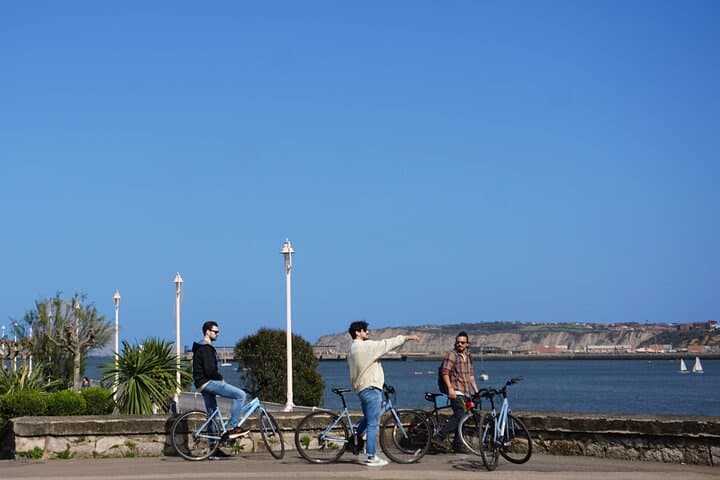
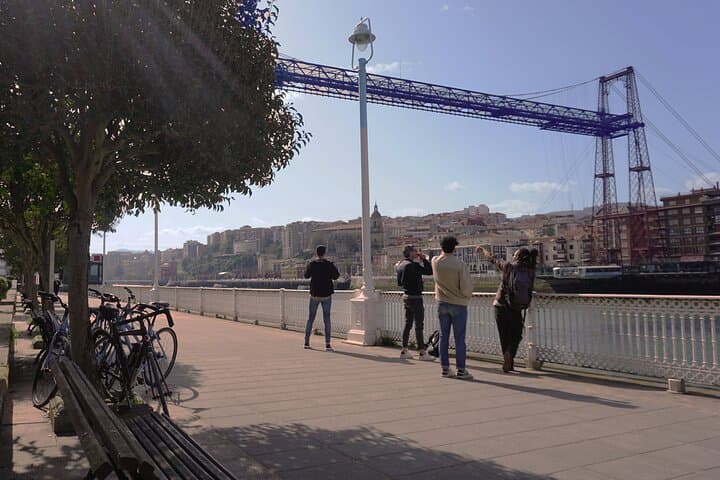
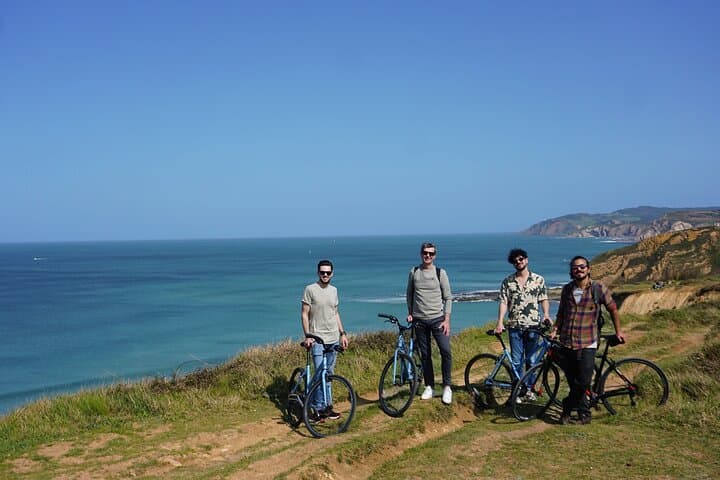
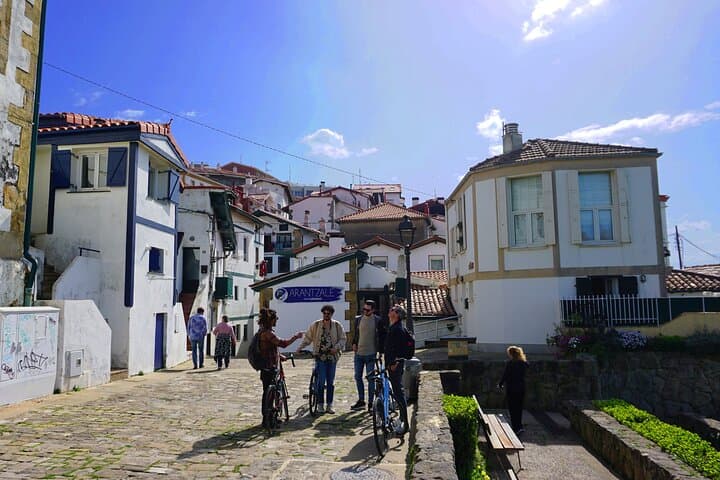
The sea edges toward you with the steady hiss of waves and the distant clink of masts as you roll out of Getxo’s train-linked neighborhoods. Salted wind pushes the ride forward; small ports and beachfront promenades open like pages, and the Vizcaya Transporter Bridge hangs above the estuary—a steel ribbon that once threaded industry and people across the river.
The sea edges toward you with the steady hiss of waves and the distant clink of masts as you roll out of Getxo’s train-linked neighborhoods. Salted wind pushes the ride forward; small ports and beachfront promenades open like pages, and the Vizcaya Transporter Bridge hangs above the estuary—a steel ribbon that once threaded industry and people across the river.
This self-guided route threads UNESCO history with local coastal culture. The Vizcaya Bridge (late 19th century) still ferries foot and car traffic and marks Bilbao’s industrial heritage. Geology shows in the exposed Cantabrian coastline: wave-sculpted cliffs, tucked pebble coves, and layered sandstone that frame sharp headlands. Algorta’s old fishermen’s quarter keeps a lived-in character—narrow streets, pintxo bars, and a working marina where you can watch nets being tended.
Expect mostly paved promenades and quiet coastal roads, 12–18 km total depending on chosen loop, and modest cumulative climbs (roughly 50–150 m) where viewpoints rise above the surf. The route is good for riders comfortable on city bikes and e-bikes; traffic is light outside peak commuting hours.
Practical notes: take a charged phone with the provided GPS track, start early for calmer winds and better light, and plan a stop at a seaside tapas bar for local anchovies and txakoli wine. Bring layers—Atlantic weather can shift fast—and a basic repair kit. With two hours on the clock and a 20–25 minute metro link from Bilbao, this ride is an accessible way to see Basque coastline history, geology, and flavor without a guide.