THE ADVENTURE COLLECTIVE® · Independent discovery and booking for outdoor travel

Walk Gettysburg after dark on a guided hour-long tour that pairs thoroughly researched Civil War history with local ghost stories. Expect paved streets, lantern-lit stops at former hospitals and inns, and a guide who ties haunting tales to documented wartime events.
Walk Gettysburg after dark on a guided hour-long tour that pairs thoroughly researched Civil War history with local ghost stories. Expect paved streets, lantern-lit stops at former hospitals and inns, and a guide who ties haunting tales to documented wartime events.
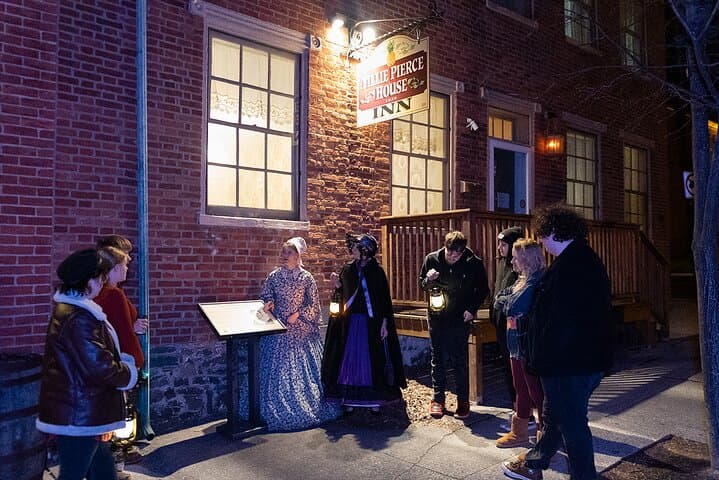
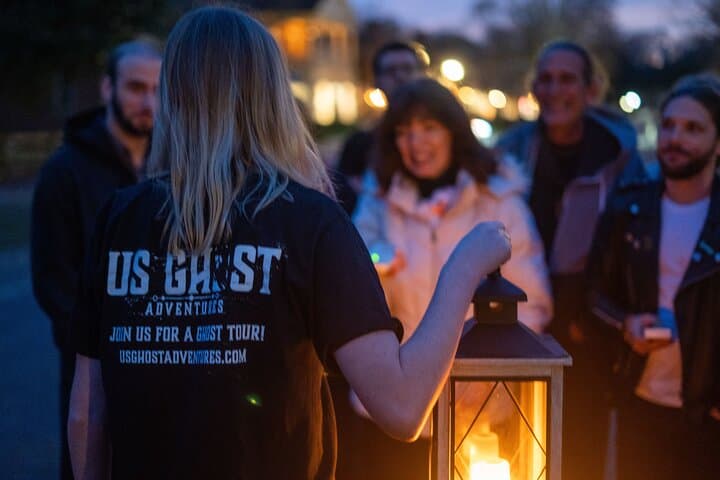
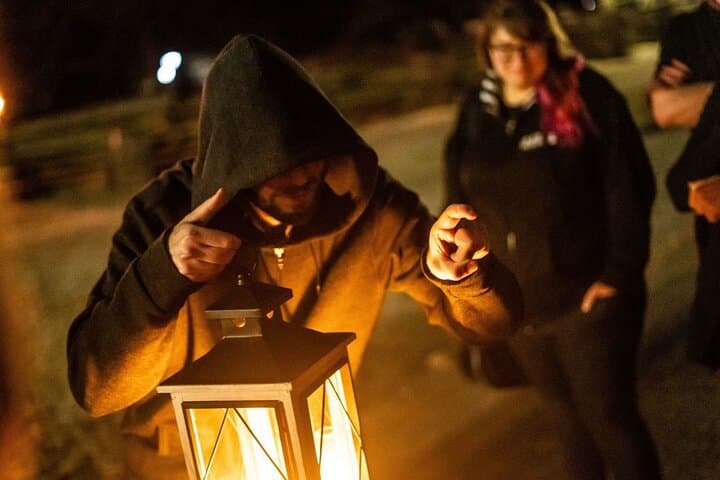
The lantern cuts a narrow pool of light across the cobblestones as the group moves down Baltimore Street, breath visible in the chill of evening. The town seems to hold its exhale; shutters close, streetlamps hum, and the stories that follow feel less like entertainment than the residue of a violent past.
Verified experiences and guided adventures in the surrounding area.
Operated by Civil War Ghosts By Us Ghost Adventures · Gettysburg, Pennsylvania
The lantern cuts a narrow pool of light across the cobblestones as the group moves down Baltimore Street, breath visible in the chill of evening. The town seems to hold its exhale; shutters close, streetlamps hum, and the stories that follow feel less like entertainment than the residue of a violent past.
Gettysburg's streets are still aligned with nineteenth-century lots and buildings that doubled as field hospitals and command posts during the three-day battle of July 1–3, 1863. The tour threads those lived-in structures—inns, former hospitals, a jail-turned-municipal building—and pins modern ghost lore to documented wartime events. Geology here is subtle: glacially scoured ridges and shallow soils shaped troop movement, but it’s the built environment and the scars of history that dominate the experience.
Local guides balance strict research with storytelling, pointing out a Witness Tree that stood during the fighting and homes that served as makeshift operating rooms. The cultural pulse of Gettysburg is twofold: a town that serves visitors’ hunger for history, and a community that still manages everyday life among monuments.
Practically, expect an easy but sustained hour of walking on paved streets and occasional steps; the tour moves after dark, so bring a headlamp and wear sturdy shoes. Guides recommend arriving 10–15 minutes early to check in at the Brickhouse Inn’s front yard on Baltimore Street. Respect for private property, quiet voices near residences, and an awareness of traffic on narrow streets keep the experience safe and authentic.
moderate.
1 hour.
Moderate level of fitness for standing and walking up to an hour on paved streets with some steps
Yes—this tour is listed as wheelchair and stroller accessible; contact the operator in advance for specific arrangements.
Arrive 10–15 minutes before the scheduled start to check in at the Brickhouse Inn meeting point.
Families are welcome, but content covers wartime death and trauma; use discretion for younger children.
Photography is allowed at most stops—be respectful of private property and other guests, and avoid flash in quiet residential areas.
Gettysburg’s town center was transformed into a patchwork of hospitals and command posts during the July 1863 battle; many modern hauntings tie back to those documented wartime events.
The town balances tourism with preservation—stay on public pathways, avoid touching historic fabric, and support local museums and preservation efforts to minimize impact.
Civil War Ghosts By Us Ghost Adventures operates guided outdoor trips and adventures with an emphasis on safety, stewardship, and memorable experiences.

The lantern cuts a narrow pool of light across the cobblestones as the group moves down Baltimore Street, breath visible in the chill of evening. The town seems to hold its exhale; shutters close, streetlamps hum, and the stories that follow feel less like entertainment than the residue of a violent past.
The lantern cuts a narrow pool of light across the cobblestones as the group moves down Baltimore Street, breath visible in the chill of evening. The town seems to hold its exhale; shutters close, streetlamps hum, and the stories that follow feel less like entertainment than the residue of a violent past.
Gettysburg's streets are still aligned with nineteenth-century lots and buildings that doubled as field hospitals and command posts during the three-day battle of July 1–3, 1863. The tour threads those lived-in structures—inns, former hospitals, a jail-turned-municipal building—and pins modern ghost lore to documented wartime events. Geology here is subtle: glacially scoured ridges and shallow soils shaped troop movement, but it’s the built environment and the scars of history that dominate the experience.
Local guides balance strict research with storytelling, pointing out a Witness Tree that stood during the fighting and homes that served as makeshift operating rooms. The cultural pulse of Gettysburg is twofold: a town that serves visitors’ hunger for history, and a community that still manages everyday life among monuments.
Practically, expect an easy but sustained hour of walking on paved streets and occasional steps; the tour moves after dark, so bring a headlamp and wear sturdy shoes. Guides recommend arriving 10–15 minutes early to check in at the Brickhouse Inn’s front yard on Baltimore Street. Respect for private property, quiet voices near residences, and an awareness of traffic on narrow streets keep the experience safe and authentic.