THE ADVENTURE COLLECTIVE® · Independent discovery and booking for outdoor travel

Walk the night-shrouded streets and historic porches of Gettysburg with EMF meters and infrared cameras in hand. This three-hour, hands-on ghost-hunting tour mixes Civil War history with practical paranormal investigation techniques.
Walk the night-shrouded streets and historic porches of Gettysburg with EMF meters and infrared cameras in hand. This three-hour, hands-on ghost-hunting tour mixes Civil War history with practical paranormal investigation techniques.
A low wind moves through the bare trees as you step onto the porch at 1431 Chambersburg Road; the town light behind you, the battlefield stretching into shadow. Flashlights pierce the dark as your guide lays out EMF meters and infrared cameras. For the next three hours you’ll trace rooms, yards, and lanes where soldiers bivouacked, died, and were tended in makeshift hospitals.
Verified experiences and guided adventures in the surrounding area.
Operated by Ghost City Tours of Gettysburg · Gettysburg, Pennsylvania
A low wind moves through the bare trees as you step onto the porch at 1431 Chambersburg Road; the town light behind you, the battlefield stretching into shadow. Flashlights pierce the dark as your guide lays out EMF meters and infrared cameras. For the next three hours you’ll trace rooms, yards, and lanes where soldiers bivouacked, died, and were tended in makeshift hospitals.
Gettysburg’s ground is plain but charged—three days of July 1863 reshaped national history and left a layer of human stories in its homes and fields. The town’s brick houses and low stone walls still show the era’s footprint; many civilian buildings were pressed into service as hospitals and command posts. Geologically, you’ll walk across gently rolling ridges and farm soils carved by centuries of streams; the landscape forces sound and shadow in ways that make nightfall feel close.
Culturally, the town balances tourism with local life: museums and preservation groups keep the narrative focused on memory and care. Guides blend historical context with investigation basics—how to read EMF spikes, set up a camera, and observe without influencing.
Practical note: this is a walking, hands-on tour—expect uneven porches, 2–3 hours of standing, and cold nights outside of summer. Bring a headlamp with a red filter, warm, quiet layers, sturdy shoes, and spare batteries. Be prepared to follow rules about private property and respect sites that are still people’s homes. The result is part history lesson, part field exercise in evidence gathering—an immersive way to feel the past and the odd stillness that lingers there.
easy.
3 hours.
Light fitness—able to stand and walk on uneven ground for several hours; no special endurance required.
The tour runs approximately three hours, with a 30-minute introduction followed by about 2¼ hours of active investigation.
No—this tour is suitable for most fitness levels and involves walking short distances and standing for extended periods.
Guides supply basic ghost-hunting gear such as EMF meters and infrared cameras; participants may use personal cameras or recorders.
Age suitability varies; tours involve night conditions and historic private properties—check with the operator about minimum age and supervision requirements.
Gettysburg was the site of the July 1–3, 1863 battle that became a turning point in the American Civil War; many local homes served as field hospitals and command posts during and after the fighting.
The National Park Service and local preservation groups manage battlefield lands—staying on designated paths and treating artifacts respectfully helps protect both history and habitat.
Ghost City Tours of Gettysburg operates guided outdoor trips and adventures with an emphasis on safety, stewardship, and memorable experiences.
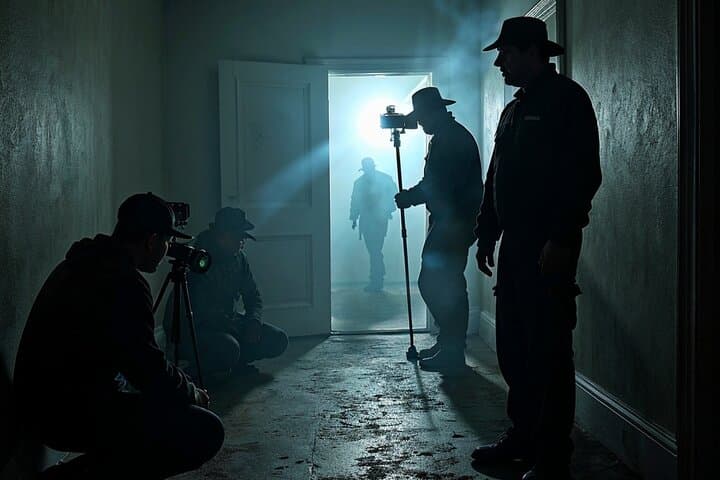
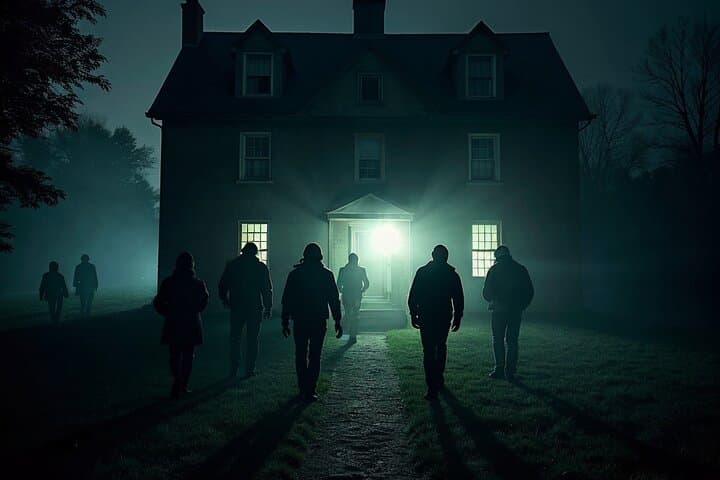
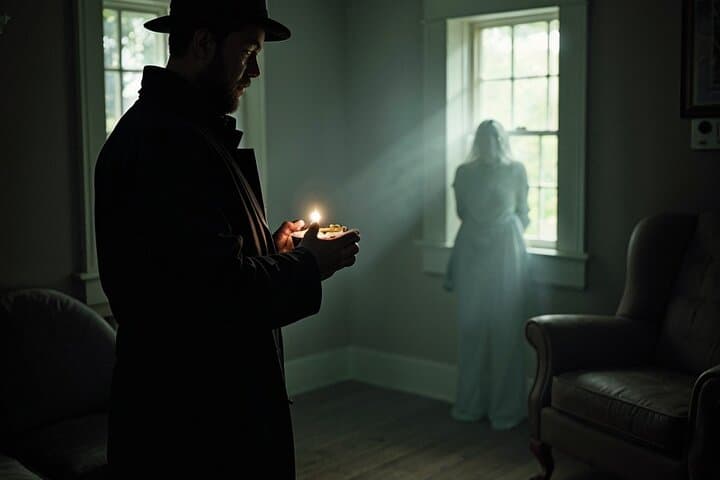
A low wind moves through the bare trees as you step onto the porch at 1431 Chambersburg Road; the town light behind you, the battlefield stretching into shadow. Flashlights pierce the dark as your guide lays out EMF meters and infrared cameras. For the next three hours you’ll trace rooms, yards, and lanes where soldiers bivouacked, died, and were tended in makeshift hospitals.
A low wind moves through the bare trees as you step onto the porch at 1431 Chambersburg Road; the town light behind you, the battlefield stretching into shadow. Flashlights pierce the dark as your guide lays out EMF meters and infrared cameras. For the next three hours you’ll trace rooms, yards, and lanes where soldiers bivouacked, died, and were tended in makeshift hospitals.
Gettysburg’s ground is plain but charged—three days of July 1863 reshaped national history and left a layer of human stories in its homes and fields. The town’s brick houses and low stone walls still show the era’s footprint; many civilian buildings were pressed into service as hospitals and command posts. Geologically, you’ll walk across gently rolling ridges and farm soils carved by centuries of streams; the landscape forces sound and shadow in ways that make nightfall feel close.
Culturally, the town balances tourism with local life: museums and preservation groups keep the narrative focused on memory and care. Guides blend historical context with investigation basics—how to read EMF spikes, set up a camera, and observe without influencing.
Practical note: this is a walking, hands-on tour—expect uneven porches, 2–3 hours of standing, and cold nights outside of summer. Bring a headlamp with a red filter, warm, quiet layers, sturdy shoes, and spare batteries. Be prepared to follow rules about private property and respect sites that are still people’s homes. The result is part history lesson, part field exercise in evidence gathering—an immersive way to feel the past and the odd stillness that lingers there.