THE ADVENTURE COLLECTIVE® · Independent discovery and booking for outdoor travel

Gain timed entry to the Getty Center and follow a self-guided audio route through its architecture, gardens, and galleries. This practical reservation pairs mandatory entry with commentary so you can focus on highlights without waiting in line.
Gain timed entry to the Getty Center and follow a self-guided audio route through its architecture, gardens, and galleries. This practical reservation pairs mandatory entry with commentary so you can focus on highlights without waiting in line.
You step off the automated tram onto a pale travertine plaza and the city opens toward the coast: Santa Monica to the west, downtown to the east. The breeze pushes across the terraces and the gardens call you along a planned route that frames architecture, art, and wide Pacific light.
Verified experiences and guided adventures in the surrounding area.
Operated by WGTickets · Los Angeles, California
You step off the automated tram onto a pale travertine plaza and the city opens toward the coast: Santa Monica to the west, downtown to the east. The breeze pushes across the terraces and the gardens call you along a planned route that frames architecture, art, and wide Pacific light.
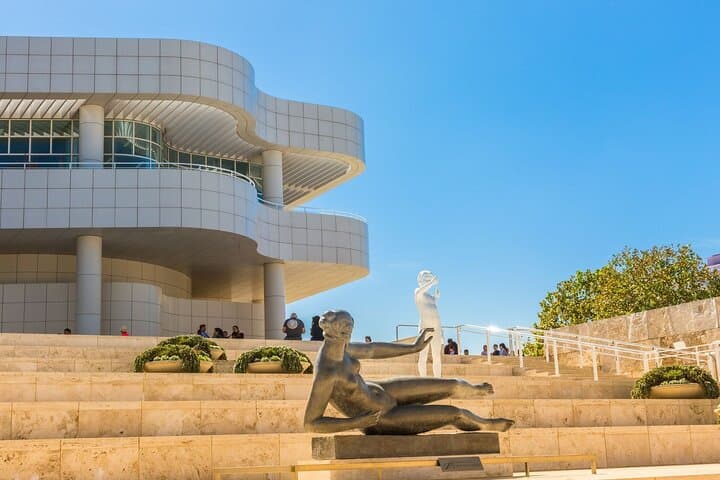
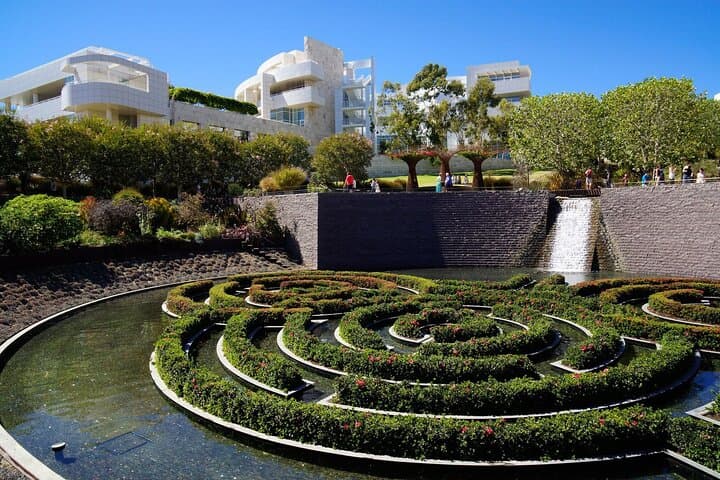
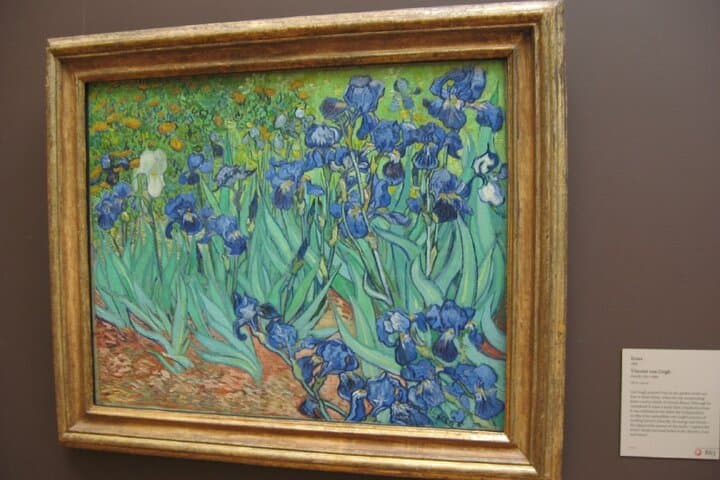
The Getty Center opened in 1997, built around J. Paul Getty’s foundation and designed by Richard Meier. Its travertine-clad pavilions sit on a hill in the Santa Monica Mountains; the central garden, reworked by Robert Irwin, acts as a living promenade between galleries. Inside, collections span antiquities to Impressionist and modern masters — van Gogh, Cezanne, Monet and Degas — with curatorial notes that put objects in historical and material context.
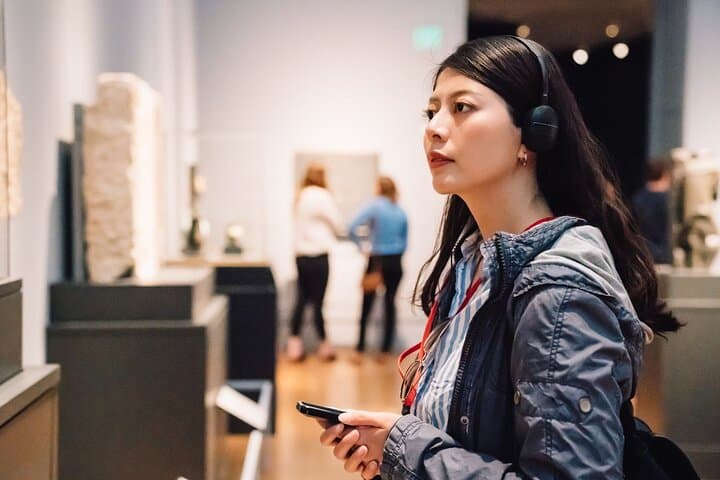
This reserved-entry package supplies the museum’s required timed ticket plus a self-guided audio route delivered via the WeGoTrip app, with photos, scripts, and navigation to move efficiently through highlights. Expect paved paths, gentle ramps, a few steps, and security screening at arrival. Photography is allowed in many galleries but not for every object; non-flash is standard. Cafés and a bookstore are on site; parking is available but can fill on busy days.
Practical strategy: book a morning slot for softer light and fewer crowds, allow at least two hours (more if you linger), download the guide and charge your phone, and factor mobility needs into your timing. The tram ride and terrace views are as much part of the visit as the paintings — plan to move slowly and leave time for the gardens and skyline views.
easy.
2 hours.
Suitable for most fitness levels; expect moderate walking on paved surfaces and some steps.
Yes—the Getty Center has free admission but requires a timed-entry ticket; this product provides that reservation and the optional audio guide via the app.
The listed duration is two hours, which covers highlights; plan 3–4 hours to explore more galleries, the garden, and to eat without rushing.
Yes—paths, galleries, and trams are wheelchair accessible; contact the museum ahead for specific accommodation requests or to reserve assisted access.
Photography rules vary by gallery and object; non-flash photography is often permitted but check posted signs and respect restricted areas.
The Getty Center, completed in 1997 and designed by Richard Meier, was funded by the J. Paul Getty Trust and houses diverse collections from antiquity to modern art.
The Getty supports art conservation and research; visitors are encouraged to minimize waste, use water stations, and follow gallery rules to protect collections.
WGTickets operates guided outdoor trips and adventures with an emphasis on safety, stewardship, and memorable experiences.
You step off the automated tram onto a pale travertine plaza and the city opens toward the coast: Santa Monica to the west, downtown to the east. The breeze pushes across the terraces and the gardens call you along a planned route that frames architecture, art, and wide Pacific light.
You step off the automated tram onto a pale travertine plaza and the city opens toward the coast: Santa Monica to the west, downtown to the east. The breeze pushes across the terraces and the gardens call you along a planned route that frames architecture, art, and wide Pacific light.
The Getty Center opened in 1997, built around J. Paul Getty’s foundation and designed by Richard Meier. Its travertine-clad pavilions sit on a hill in the Santa Monica Mountains; the central garden, reworked by Robert Irwin, acts as a living promenade between galleries. Inside, collections span antiquities to Impressionist and modern masters — van Gogh, Cezanne, Monet and Degas — with curatorial notes that put objects in historical and material context.
This reserved-entry package supplies the museum’s required timed ticket plus a self-guided audio route delivered via the WeGoTrip app, with photos, scripts, and navigation to move efficiently through highlights. Expect paved paths, gentle ramps, a few steps, and security screening at arrival. Photography is allowed in many galleries but not for every object; non-flash is standard. Cafés and a bookstore are on site; parking is available but can fill on busy days.
Practical strategy: book a morning slot for softer light and fewer crowds, allow at least two hours (more if you linger), download the guide and charge your phone, and factor mobility needs into your timing. The tram ride and terrace views are as much part of the visit as the paintings — plan to move slowly and leave time for the gardens and skyline views.