THE ADVENTURE COLLECTIVE® · Independent discovery and booking for outdoor travel

Spend a private half-day exploring Muscat’s signature sights with a German-speaking guide: the vast Sultan Qaboos Grand Mosque, the historic palace and fort precincts, and the lively Muttrah Souk. Practical, flexible, and suited to first-time visitors who want cultural context and easy logistics.
Spend a private half-day exploring Muscat’s signature sights with a German-speaking guide: the vast Sultan Qaboos Grand Mosque, the historic palace and fort precincts, and the lively Muttrah Souk. Practical, flexible, and suited to first-time visitors who want cultural context and easy logistics.
A late-morning breeze off the Gulf of Oman lifts the scent of frankincense and sea salt as your private German-speaking guide eases through Muscat’s broad coastal avenues. The tour opens at the Sultan Qaboos Grand Mosque — its marble expanse and polished prayer halls hold one of the world’s largest hand-woven carpets and a chandelier that slows your step.
Verified experiences and guided adventures in the surrounding area.
Operated by Secret Arabia · Muscat, Muscat Governorate
A late-morning breeze off the Gulf of Oman lifts the scent of frankincense and sea salt as your private German-speaking guide eases through Muscat’s broad coastal avenues. The tour opens at the Sultan Qaboos Grand Mosque — its marble expanse and polished prayer halls hold one of the world’s largest hand-woven carpets and a chandelier that slows your step.
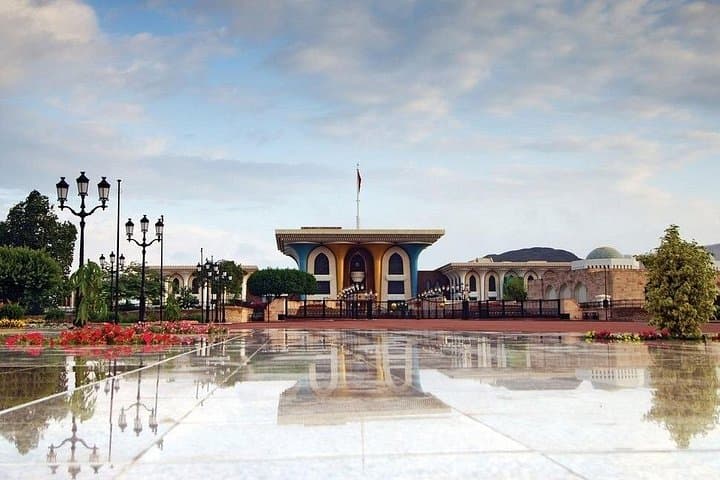
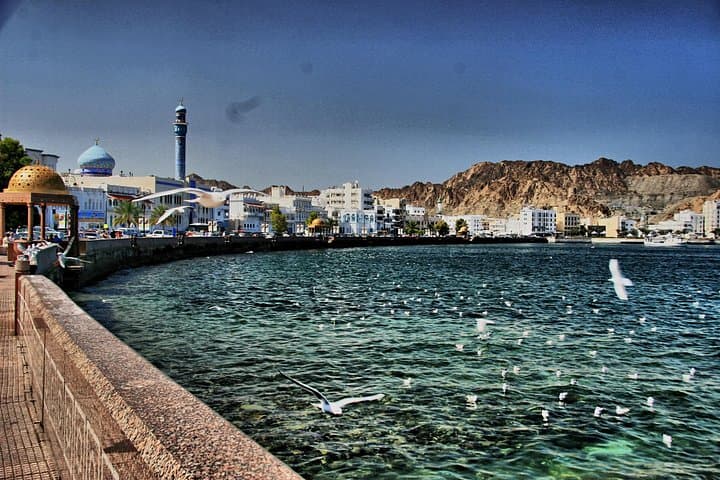
From there a short drive drops you into the Old Town: whitewashed palace gates, the angled silhouettes of Portuguese forts Mirani and Jalali, and the Muttrah Corniche where dhows bob like punctuation marks against the water. The Muttrah Souk’s narrow alleys reward slow feet and curious hands with frankincense, silver khanjars, and spice stalls that smell of cumin and saffron.
Muscat sits where the Hajar Mountains meet the sea; its coastline and forts reflect centuries of Omani maritime trade and 16th-century Portuguese presence. Local culture remains centered on hospitality, religion, and craft — small family perfumeries like Amouage continue traditional distillation techniques discovered through trade routes.
Practical notes: the private tour runs about 4–5 hours, includes hotel pickup in an air-conditioned vehicle and bottled water, and offers flexible stops (museum admission extra). Dress modestly for mosque entry (long sleeves, long trousers or skirt; women bring a headscarf) and plan for walking on paved and uneven surfaces. Morning timing avoids the afternoon heat and gives better light for photos. Bring comfortable shoes, sunscreen, and a small amount of local currency for souk purchases — Muscat rewards slow exploration and polite curiosity.
easy.
4–5 hours.
Light to moderate walking on paved streets and some uneven alleys; able-bodied travelers with basic mobility can participate.
Admission is typically not included; the tour stops at the mosque and you can enter during allocated visiting hours—dress code applies and donations may be requested.
Yes — the private tour includes hotel pickup and drop-off within Muscat; confirm your pickup point when booking.
Museum entry such as the National Museum or Bait al Zubair is optional and may incur an additional fee if you choose to enter.
The tour lists wheelchair accessibility for vehicles and many public sites, but some souk alleys and old forts have uneven surfaces—notify the operator of specific needs when booking.
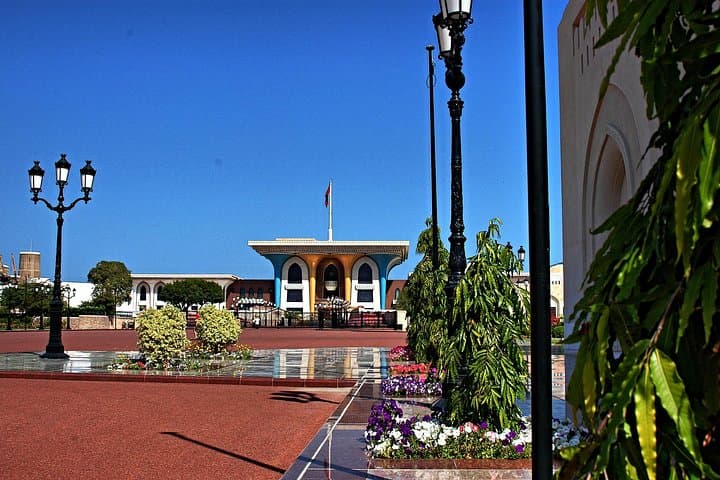
Muscat’s position on the Gulf of Oman made it a hub of Arabian maritime trade; Portuguese fortifications from the 16th century still flank the ceremonial palace, reflecting layered colonial encounters.
Support local craft by buying authentic, sustainably produced goods and avoid single-use plastics; many historic sites are maintained through admission revenues and community stewardship.
Secret Arabia operates guided outdoor trips and adventures with an emphasis on safety, stewardship, and memorable experiences.
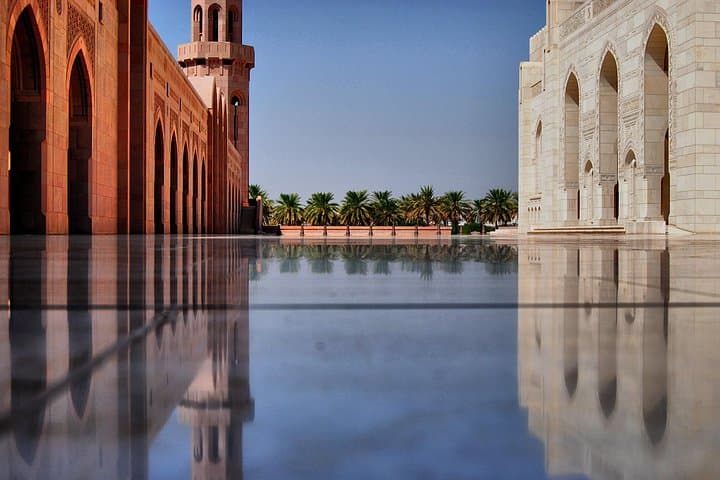
A late-morning breeze off the Gulf of Oman lifts the scent of frankincense and sea salt as your private German-speaking guide eases through Muscat’s broad coastal avenues. The tour opens at the Sultan Qaboos Grand Mosque — its marble expanse and polished prayer halls hold one of the world’s largest hand-woven carpets and a chandelier that slows your step.
A late-morning breeze off the Gulf of Oman lifts the scent of frankincense and sea salt as your private German-speaking guide eases through Muscat’s broad coastal avenues. The tour opens at the Sultan Qaboos Grand Mosque — its marble expanse and polished prayer halls hold one of the world’s largest hand-woven carpets and a chandelier that slows your step.
From there a short drive drops you into the Old Town: whitewashed palace gates, the angled silhouettes of Portuguese forts Mirani and Jalali, and the Muttrah Corniche where dhows bob like punctuation marks against the water. The Muttrah Souk’s narrow alleys reward slow feet and curious hands with frankincense, silver khanjars, and spice stalls that smell of cumin and saffron.
Muscat sits where the Hajar Mountains meet the sea; its coastline and forts reflect centuries of Omani maritime trade and 16th-century Portuguese presence. Local culture remains centered on hospitality, religion, and craft — small family perfumeries like Amouage continue traditional distillation techniques discovered through trade routes.
Practical notes: the private tour runs about 4–5 hours, includes hotel pickup in an air-conditioned vehicle and bottled water, and offers flexible stops (museum admission extra). Dress modestly for mosque entry (long sleeves, long trousers or skirt; women bring a headscarf) and plan for walking on paved and uneven surfaces. Morning timing avoids the afternoon heat and gives better light for photos. Bring comfortable shoes, sunscreen, and a small amount of local currency for souk purchases — Muscat rewards slow exploration and polite curiosity.