THE ADVENTURE COLLECTIVE® · Independent discovery and booking for outdoor travel

Walk Bath’s limestone streets with a local who grew up here: a 2–3 hour, small-group tour that stitches Roman baths, Georgian crescents and market lore into a compact, accessible experience. Perfect for first-time visitors who want context and lively storytelling.
Walk Bath’s limestone streets with a local who grew up here: a 2–3 hour, small-group tour that stitches Roman baths, Georgian crescents and market lore into a compact, accessible experience. Perfect for first-time visitors who want context and lively storytelling.
The cobbles of the Abbey Churchyard are cool underfoot as the group gathers and the city’s limestone seems to breathe with a soft, honeyed light.
Verified experiences and guided adventures in the surrounding area.
Operated by Best of Bath Walking Tours Ltd. · Bath, Somerset
The cobbles of the Abbey Churchyard are cool underfoot as the group gathers and the city’s limestone seems to breathe with a soft, honeyed light.
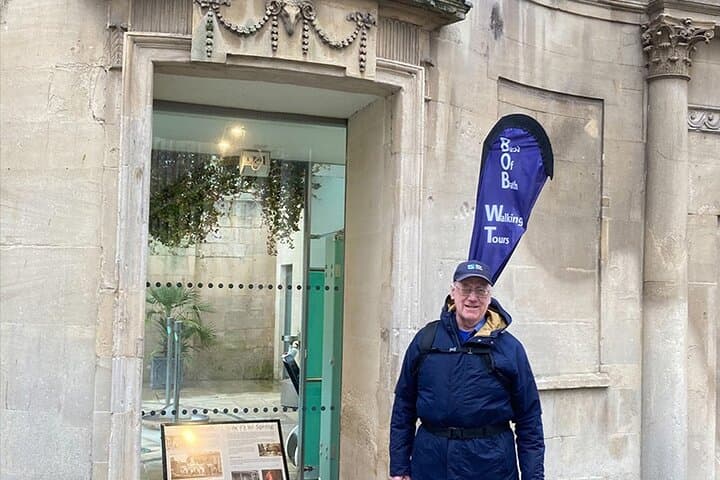
On Bob’s two- to three-hour walk, Bath’s streets stop being background and begin to speak: Roman engineers who piped mineral waters from deep springs, Georgian architects who stretched classical facades across crescents and circles, and the ordinary residents who lived in the shadow of fashionable society.
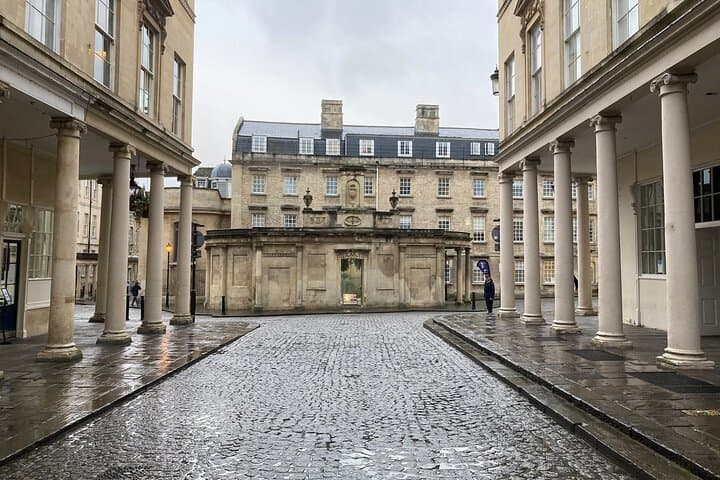
The route moves through compact history — the Roman Baths and hot springs that made the town a spa in the first century, the 18th-century Assembly Rooms where Jane Austen once moved through society, and John Wood’s Circus and Royal Crescent, which laid out social order in stone. Geology matters here; the pale Bath Stone was quarried locally and shows weathering that catches light differently through the day, giving façades a shifting personality.
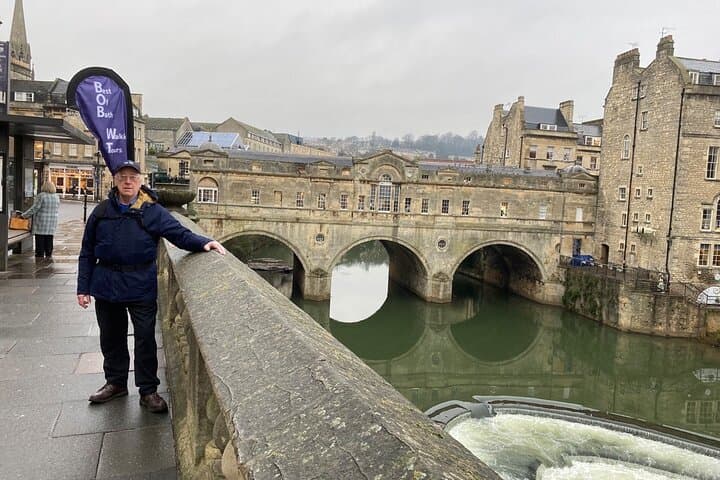
Bob’s local perspective brings color: market gossip at the Guildhall, a note on the Mineral Hospital’s role in health reform, and why Pulteney Bridge still feels like a provincial trade route with big ambitions.
Practical guidance is straightforward — expect 2–3 miles of gentle walking with some standing and staircases, wear comfortable shoes and a light rain layer, and bring water and a phone camera. The tour is limited in size, wheelchair-friendly, and centered on the Abbey Churchyard start point, making it easy to reach by bus or train. For anyone wanting fast historical context and vivid local stories, this is a focused way to read Bath’s streets.
moderate.
2–3 hours.
Suitable for people accustomed to walking 2–3 miles and standing for short talks; some mobility required for curb steps.
The tour meets and ends at Bath Abbey Churchyard in front of Bath Abbey, a short walk from the city centre and Bath Spa railway station.
Yes — the route and surfaces are wheelchair and stroller accessible, though some narrow pavements may require care during busy periods.
Expect about 2–3 miles total over 2–3 hours with frequent stops for commentary; pace is steady but accommodating.
No — the tour covers the exteriors and history of sites like the Roman Baths and Royal Crescent; admission to museums or the Roman Baths is not included.
Bath’s hot springs drew Roman engineers who built a complex of thermae; the 18th century then reshaped the town into one of Britain’s finest examples of Georgian urban planning.
Bath is a UNESCO World Heritage site with active conservation of historic stonework; visitors are encouraged to stick to paths, avoid touching fragile masonry, and limit waste.
Best of Bath Walking Tours Ltd. operates guided outdoor trips and adventures with an emphasis on safety, stewardship, and memorable experiences.
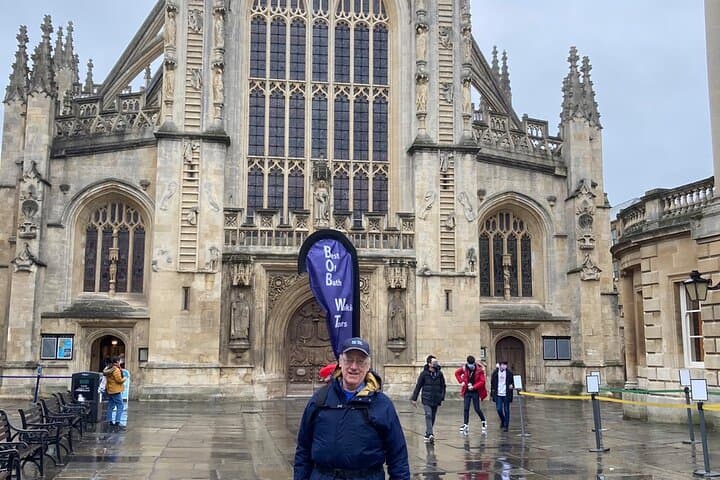
The cobbles of the Abbey Churchyard are cool underfoot as the group gathers and the city’s limestone seems to breathe with a soft, honeyed light.
The cobbles of the Abbey Churchyard are cool underfoot as the group gathers and the city’s limestone seems to breathe with a soft, honeyed light.
On Bob’s two- to three-hour walk, Bath’s streets stop being background and begin to speak: Roman engineers who piped mineral waters from deep springs, Georgian architects who stretched classical facades across crescents and circles, and the ordinary residents who lived in the shadow of fashionable society.
The route moves through compact history — the Roman Baths and hot springs that made the town a spa in the first century, the 18th-century Assembly Rooms where Jane Austen once moved through society, and John Wood’s Circus and Royal Crescent, which laid out social order in stone. Geology matters here; the pale Bath Stone was quarried locally and shows weathering that catches light differently through the day, giving façades a shifting personality.
Bob’s local perspective brings color: market gossip at the Guildhall, a note on the Mineral Hospital’s role in health reform, and why Pulteney Bridge still feels like a provincial trade route with big ambitions.
Practical guidance is straightforward — expect 2–3 miles of gentle walking with some standing and staircases, wear comfortable shoes and a light rain layer, and bring water and a phone camera. The tour is limited in size, wheelchair-friendly, and centered on the Abbey Churchyard start point, making it easy to reach by bus or train. For anyone wanting fast historical context and vivid local stories, this is a focused way to read Bath’s streets.