THE ADVENTURE COLLECTIVE® · Independent discovery and booking for outdoor travel

Walk through Liverpool’s late-Georgian streets on this two-hour guided tour. Discover the architecture, famous residents, and civic history that shaped Hope and Rodney Streets and their role in a global trading city.
Walk through Liverpool’s late-Georgian streets on this two-hour guided tour. Discover the architecture, famous residents, and civic history that shaped Hope and Rodney Streets and their role in a global trading city.
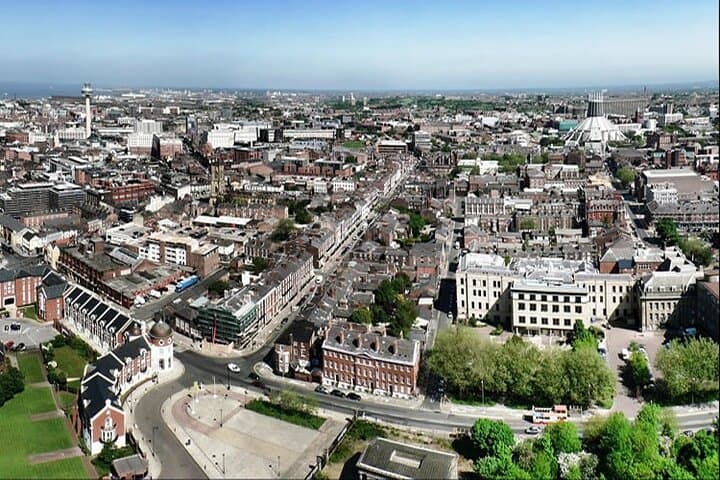
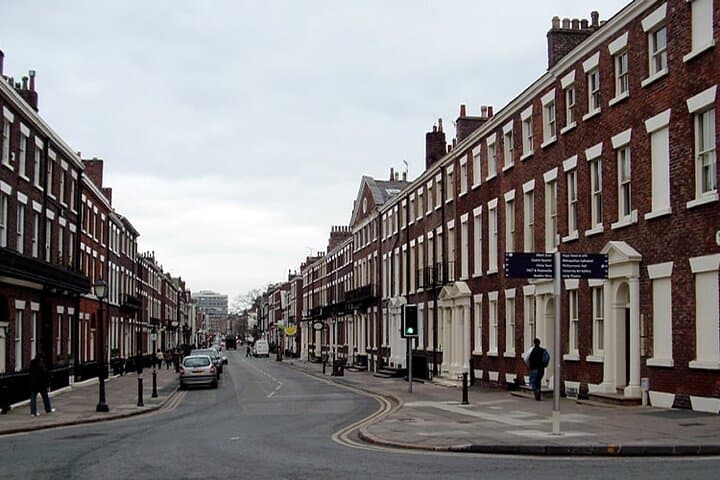
Step off the modern pavement and into a Liverpool shaped by trade, tobacco, and timber: Hope Street opens like a well-read chapter, its stone façades watching over pedestrians and pub-goers alike.
Verified experiences and guided adventures in the surrounding area.
Operated by LiverpoolGO · Liverpool, Merseyside
Step off the modern pavement and into a Liverpool shaped by trade, tobacco, and timber: Hope Street opens like a well-read chapter, its stone façades watching over pedestrians and pub-goers alike.
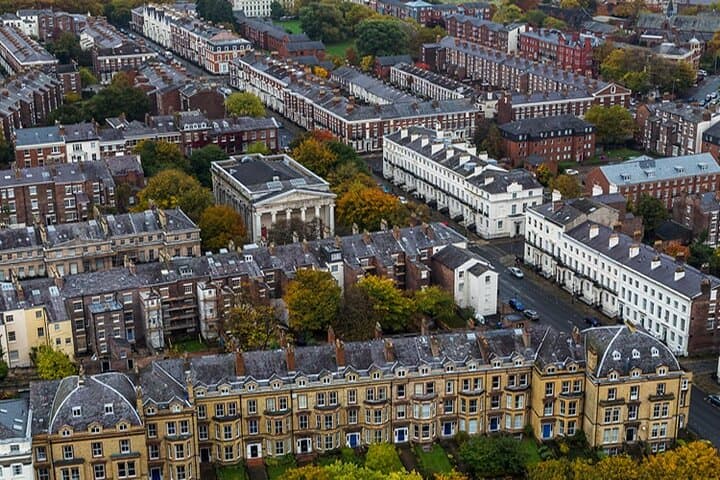
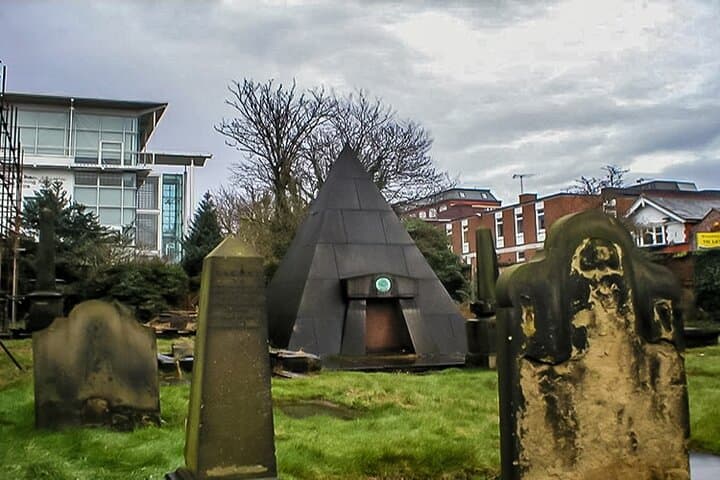
The two-hour walking tour threads between Hope Street and Rodney Street, where Georgian townhouses hold the imprint of late-18th and early-19th century prosperity. Expect close-up views of over 60 Grade II listed buildings, a former church, and the narrow alleys that once served an expanding port city. Your guide links local architecture to global storylines—merchant fortunes, early consular ties with the United States, and the medical and civic institutions that grew alongside a booming waterfront.
Geology here is subtle: red sandstone and brickwork weathered by Atlantic winds, foundations settled on reclaimed land from the Mersey estuary. Cultural notes arrive in the form of theatres, pubs, and a neighbourhood that evolved from merchants’ terraces to creative quarters. You’ll hear about Brian Epstein’s birthplace and Rodney Street’s reputation as the “Harley Street of the North.”
Practical guidance: the route is primarily paved and flat with some short stairways into historic buildings—suitable for most walkers. Bring waterproof layers and sensible shoes; Liverpool weather turns quickly. Mornings offer softer light for photography and quieter streets; evenings highlight pub culture if you plan to linger after the tour. Public transport options are abundant; accessibility is generally good but check with the operator if you have mobility needs. Finish by wandering into the nearby Victoria Gallery & Museum or grabbing a coffee on Hope Street—both make tidy bookends to a slice of Georgian Liverpool.
easy.
2 hours.
Suitable for most fitness levels; involves standing and two hours of walking
The guided walk lasts about two hours and covers Hope Street, Rodney Street, and surrounding terraces.
Yes—strollers are accommodated on paved streets, though some tight spots may require folding a pram briefly.
Guides typically plan short breaks near cafés or public facilities—ask at booking if this is important to you.
The tour is described as accessible, but contact the operator ahead to confirm step-free routing and any special assistance.
Liverpool’s Georgian expansion followed booming Atlantic trade; affluent merchants built terraces and civic institutions that reshaped the city in the late 18th and early 19th centuries.
Rodney Street and surrounding terraces are protected conservation areas—respect private properties, avoid climbing on structures, and support local businesses to sustain preservation efforts.
LiverpoolGO operates guided outdoor trips and adventures with an emphasis on safety, stewardship, and memorable experiences.
Step off the modern pavement and into a Liverpool shaped by trade, tobacco, and timber: Hope Street opens like a well-read chapter, its stone façades watching over pedestrians and pub-goers alike.
Step off the modern pavement and into a Liverpool shaped by trade, tobacco, and timber: Hope Street opens like a well-read chapter, its stone façades watching over pedestrians and pub-goers alike.
The two-hour walking tour threads between Hope Street and Rodney Street, where Georgian townhouses hold the imprint of late-18th and early-19th century prosperity. Expect close-up views of over 60 Grade II listed buildings, a former church, and the narrow alleys that once served an expanding port city. Your guide links local architecture to global storylines—merchant fortunes, early consular ties with the United States, and the medical and civic institutions that grew alongside a booming waterfront.
Geology here is subtle: red sandstone and brickwork weathered by Atlantic winds, foundations settled on reclaimed land from the Mersey estuary. Cultural notes arrive in the form of theatres, pubs, and a neighbourhood that evolved from merchants’ terraces to creative quarters. You’ll hear about Brian Epstein’s birthplace and Rodney Street’s reputation as the “Harley Street of the North.”
Practical guidance: the route is primarily paved and flat with some short stairways into historic buildings—suitable for most walkers. Bring waterproof layers and sensible shoes; Liverpool weather turns quickly. Mornings offer softer light for photography and quieter streets; evenings highlight pub culture if you plan to linger after the tour. Public transport options are abundant; accessibility is generally good but check with the operator if you have mobility needs. Finish by wandering into the nearby Victoria Gallery & Museum or grabbing a coffee on Hope Street—both make tidy bookends to a slice of Georgian Liverpool.