THE ADVENTURE COLLECTIVE® · Independent discovery and booking for outdoor travel

Step into a lively studio in central Tbilisi and learn two traditional Georgian dances from a local professional. This two-hour, beginner-friendly class pairs clear technique coaching with cultural context—perfect for travelers wanting a hands-on introduction to Georgian movement.
Step into a lively studio in central Tbilisi and learn two traditional Georgian dances from a local professional. This two-hour, beginner-friendly class pairs clear technique coaching with cultural context—perfect for travelers wanting a hands-on introduction to Georgian movement.
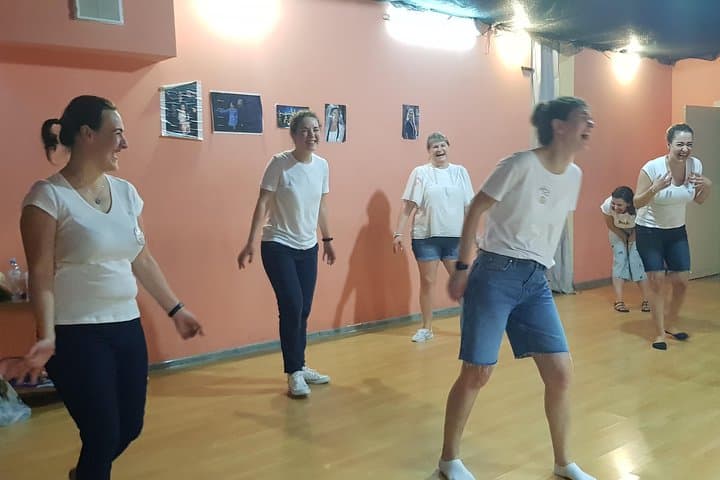
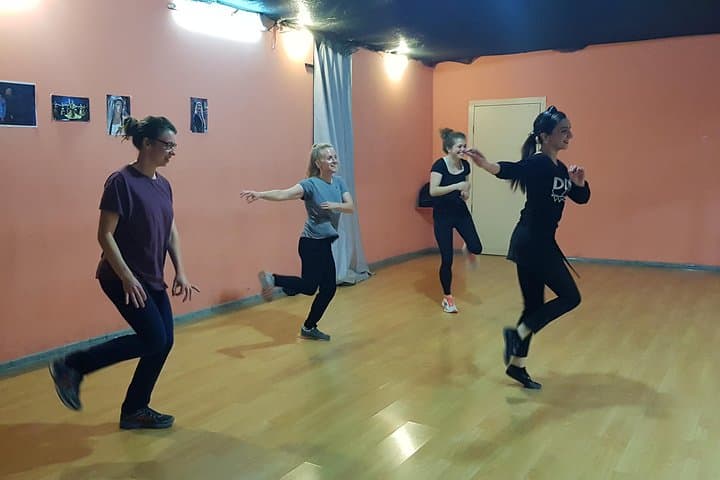
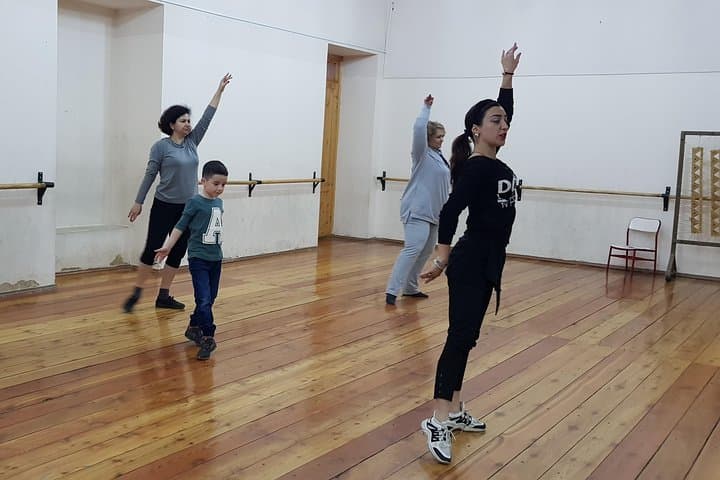
A studio door opens onto a narrow lane in central Tbilisi and Georgian strings spill out like a dare. Inside, a local professional claps a steady rhythm and the wooden floor answers. The class moves fast enough to make your heart catch and measured enough to build real steps: two dances in two hours, each a study in posture, footwork and the compact pride of Caucasian movement.
Verified experiences and guided adventures in the surrounding area.
Operated by Georgian Dance Club · Tbilisi, Tbilisi
A studio door opens onto a narrow lane in central Tbilisi and Georgian strings spill out like a dare. Inside, a local professional claps a steady rhythm and the wooden floor answers. The class moves fast enough to make your heart catch and measured enough to build real steps: two dances in two hours, each a study in posture, footwork and the compact pride of Caucasian movement.
Georgian folk dance is a physical archive of region and ritual. Styles vary from the angular, piston-like leaps of Khevsuruli to the poised, understated handwork of Kartli—movements shaped by mountain passes and village traditions. Tbilisi itself sits on the Mtkvari River and has long been a crossroads where music and motion borrow from church chant, shepherd songs and Ottoman echoes.
Expect a practical lesson: warm-up, step breakdowns, partner work and repetitions until the sequences become muscle memory. The instructor explains cultural context as you learn—how certain gestures signal hospitality or valour—and why rhythm matters as much as technique.
Plan to wear flat-soled shoes, stay hydrated and arrive 10 minutes early to change and stretch. The class is private and suitable for all fitness levels; you won’t need prior dance experience, but bring curiosity and respect for local customs. Whether you leave with a few polished moves or a new sense of Tbilisi’s beat, this is a compact, high-energy way to connect with Georgian culture.
easy.
2 hours.
Suitable for most people with basic mobility; expect moderate aerobic bursts and repeated footwork.
No—this class is taught for beginners and all fitness levels; the instructor breaks moves down step-by-step.
The session covers the basics of two different Georgian dances with time for repetition and partner practice.
Yes—the experience is offered as a private session, so it's typically booked per group or party.
Full refund if cancelled at least 24 hours before the scheduled time; cancellations within 24 hours are not refundable.
Georgian dance preserves centuries-old regional styles tied to local rites and martial display; many steps trace back to village rituals and seasonal festivals.
Small-group cultural experiences help support local artists; choose operators who pay instructors fairly and minimize studio crowding to protect historic neighborhoods.
Georgian Dance Club operates guided outdoor trips and adventures with an emphasis on safety, stewardship, and memorable experiences.
A studio door opens onto a narrow lane in central Tbilisi and Georgian strings spill out like a dare. Inside, a local professional claps a steady rhythm and the wooden floor answers. The class moves fast enough to make your heart catch and measured enough to build real steps: two dances in two hours, each a study in posture, footwork and the compact pride of Caucasian movement.
A studio door opens onto a narrow lane in central Tbilisi and Georgian strings spill out like a dare. Inside, a local professional claps a steady rhythm and the wooden floor answers. The class moves fast enough to make your heart catch and measured enough to build real steps: two dances in two hours, each a study in posture, footwork and the compact pride of Caucasian movement.
Georgian folk dance is a physical archive of region and ritual. Styles vary from the angular, piston-like leaps of Khevsuruli to the poised, understated handwork of Kartli—movements shaped by mountain passes and village traditions. Tbilisi itself sits on the Mtkvari River and has long been a crossroads where music and motion borrow from church chant, shepherd songs and Ottoman echoes.
Expect a practical lesson: warm-up, step breakdowns, partner work and repetitions until the sequences become muscle memory. The instructor explains cultural context as you learn—how certain gestures signal hospitality or valour—and why rhythm matters as much as technique.
Plan to wear flat-soled shoes, stay hydrated and arrive 10 minutes early to change and stretch. The class is private and suitable for all fitness levels; you won’t need prior dance experience, but bring curiosity and respect for local customs. Whether you leave with a few polished moves or a new sense of Tbilisi’s beat, this is a compact, high-energy way to connect with Georgian culture.