THE ADVENTURE COLLECTIVE® · Independent discovery and booking for outdoor travel

Turn Georgetown into a live gameboard: solve real-world clues across canal locks, murals and historic streets on this 2-hour self-guided escape walk. Ideal for groups up to six, the difficulty is adjustable and kits arrive by mail or pickup.
Turn Georgetown into a live gameboard: solve real-world clues across canal locks, murals and historic streets on this 2-hour self-guided escape walk. Ideal for groups up to six, the difficulty is adjustable and kits arrive by mail or pickup.
You open a wooden game box on a brick sidewalk, the Potomac breeze nudging the pages as Georgetown’s rowhouses stand like old guards along the street. The QR code lights your phone and the first clue drops you into a narrative stitched through alley murals, canal locks and Federal-style facades. This is a city turned gameboard — you move, read, decode, and let the neighborhood point you to the next piece.
Verified experiences and guided adventures in the surrounding area.
Operated by Escapely · Washington, District of Columbia
You open a wooden game box on a brick sidewalk, the Potomac breeze nudging the pages as Georgetown’s rowhouses stand like old guards along the street. The QR code lights your phone and the first clue drops you into a narrative stitched through alley murals, canal locks and Federal-style facades. This is a city turned gameboard — you move, read, decode, and let the neighborhood point you to the next piece.
Georgetown predates the capital: founded as a port in the mid-1700s, its cobblestones, warehouse fronts and the C&O Canal still speak of trade and tides. The game leans on that fabric—murals, statues and small architectural details become puzzle nodes. Expect a mix of social history, urban geology (bluffs and river plain), and local lore about old merchant houses and hidden gardens.
Practical side: plan roughly two hours and wear comfortable walking shoes for 1–2 miles of mostly flat streets and towpath. The experience is self-guided and adjustable—use hints if a riddle stalls you. Bookings made a week ahead include mailed kits; last-minute groups pick up at the start point, then scan to begin. The route is largely stroller- and wheelchair-accessible but watch uneven surfaces near the canal and some crowded sidewalks during peak hours.
Bring a charged phone, a small bottle of water, and expect intermittent street noise and pedestrian traffic—the city will test your puzzle skills as much as your knack for reading an urban landscape. Finish with a coffee at a local café to debrief and enjoy the neighborhood you’ve just decoded.
easy.
2 hours.
Light walking fitness; suitable for most people comfortable with 1–2 miles on city streets
Plan about two hours; groups that linger to explore can take longer—expect roughly 1–2 miles of walking.
One ticket covers a group of up to six players sharing a single game box and app access.
If booked a week or more in advance the kit is mailed; last-minute bookings pick up at the designated start point—exact pickup details are sent after booking.
Most areas are accessible, but some canal-side sections and older sidewalks have uneven surfaces—check route details and allow extra time if mobility is a concern.
Georgetown began as a separate port settlement in 1751 and later became absorbed into the District; its streets reflect 18th- and 19th-century commerce and architecture.
Stick to sidewalks and marked paths, avoid disturbing historic features and dispose of trash locally; support small Georgetown businesses to keep the neighborhood viable for visitors.
Escapely operates guided outdoor trips and adventures with an emphasis on safety, stewardship, and memorable experiences.


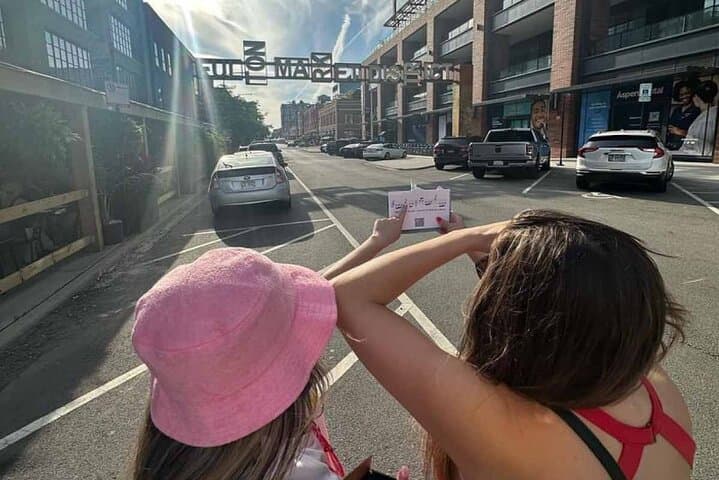
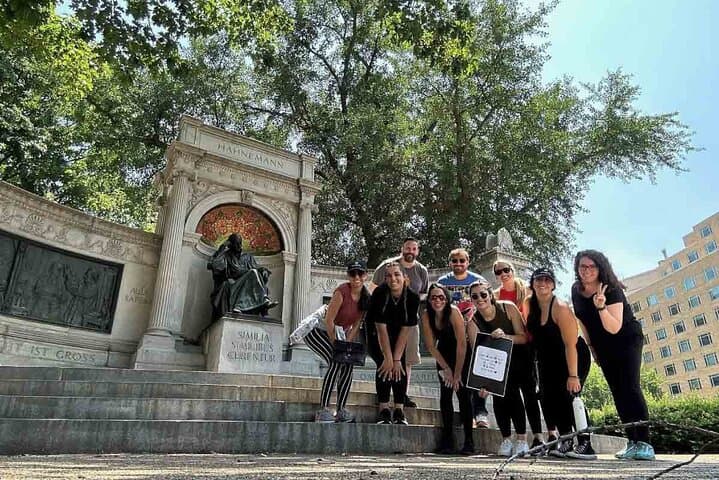
You open a wooden game box on a brick sidewalk, the Potomac breeze nudging the pages as Georgetown’s rowhouses stand like old guards along the street. The QR code lights your phone and the first clue drops you into a narrative stitched through alley murals, canal locks and Federal-style facades. This is a city turned gameboard — you move, read, decode, and let the neighborhood point you to the next piece.
You open a wooden game box on a brick sidewalk, the Potomac breeze nudging the pages as Georgetown’s rowhouses stand like old guards along the street. The QR code lights your phone and the first clue drops you into a narrative stitched through alley murals, canal locks and Federal-style facades. This is a city turned gameboard — you move, read, decode, and let the neighborhood point you to the next piece.
Georgetown predates the capital: founded as a port in the mid-1700s, its cobblestones, warehouse fronts and the C&O Canal still speak of trade and tides. The game leans on that fabric—murals, statues and small architectural details become puzzle nodes. Expect a mix of social history, urban geology (bluffs and river plain), and local lore about old merchant houses and hidden gardens.
Practical side: plan roughly two hours and wear comfortable walking shoes for 1–2 miles of mostly flat streets and towpath. The experience is self-guided and adjustable—use hints if a riddle stalls you. Bookings made a week ahead include mailed kits; last-minute groups pick up at the start point, then scan to begin. The route is largely stroller- and wheelchair-accessible but watch uneven surfaces near the canal and some crowded sidewalks during peak hours.
Bring a charged phone, a small bottle of water, and expect intermittent street noise and pedestrian traffic—the city will test your puzzle skills as much as your knack for reading an urban landscape. Finish with a coffee at a local café to debrief and enjoy the neighborhood you’ve just decoded.