THE ADVENTURE COLLECTIVE® · Independent discovery and booking for outdoor travel

Walk through the murals, memorials and community spaces of George Floyd Square to learn how art, activism and local businesses shaped a public response to tragedy. This guided hour connects history, culture and volunteer opportunities with grounded practical advice.
Walk through the murals, memorials and community spaces of George Floyd Square to learn how art, activism and local businesses shaped a public response to tragedy. This guided hour connects history, culture and volunteer opportunities with grounded practical advice.
A visitor steps onto E. 38th Street and Chicago Avenue and the city shifts—painted murals, stacked flowers, and written names press close like a collective breath. The square reads as an open-air archive: layers of paint, candles, posters and makeshift shrines that map the weeks and years of public grief and organizing.
Verified experiences and guided adventures in the surrounding area.
Operated by Mystic Healing Stones Experiences · Minneapolis, Minnesota
A visitor steps onto E. 38th Street and Chicago Avenue and the city shifts—painted murals, stacked flowers, and written names press close like a collective breath. The square reads as an open-air archive: layers of paint, candles, posters and makeshift shrines that map the weeks and years of public grief and organizing.
George Floyd Square formed after May 25, 2020, when protests and memorials transformed the intersection into a community-maintained site of remembrance and civic conversation. The site sits on the south Minneapolis plain carved by glacial action and drained by historic river terraces; the terrain itself is flat, city pavement punctuated by pocket plantings and curbed planters. Local businesses such as Mystic Healing Stones and Bichota Coffee joined neighbors in shaping the visitor experience, offering art, respite and context.
This is a listening tour as much as a walking one: guides frame the murals and the grassroots organizing that followed, point to community resources like the Sabathani Community Center, and explain volunteer options such as the People’s Closet. Expect on-foot interpretation, quiet time at memorial panels, and stops inside accessible community spaces to decompress.
Practicalities matter: come prepared to stand and move slowly for about an hour, wear comfortable shoes, and follow photography etiquette around personal tributes. Public transportation serves the area; street parking is limited. The mood can be solemn and reflective—plan for a short decompression afterward, perhaps at a nearby cafe. Respect, curiosity and patience make this visit constructive for both guests and hosts.
easy.
1 hour.
Suitable for most visitors who can stand and walk at a relaxed pace for 45–60 minutes.
Yes—content includes discussions of recent trauma and civic response; caregivers should consider age-appropriate framing and emotional readiness.
Photography of public murals is generally acceptable—always avoid photographing mourners at memorials and ask permission before shooting inside businesses or of individuals.
Most areas of the square and the listed community businesses are wheelchair accessible; check with the operator for specific mobility needs.
Guides will point out volunteer organizations such as the People’s Closet and community centers like Sabathani that coordinate donation and service opportunities.
The intersection became an informal memorial and site of protest after the killing of George Floyd on May 25, 2020, evolving into a focal point for conversations about policing and racial justice.
The site is stewarded by community volunteers and artists—leave tributes undisturbed, pack out trash, and follow guidance to avoid damaging art and memorial materials.
Mystic Healing Stones Experiences operates guided outdoor trips and adventures with an emphasis on safety, stewardship, and memorable experiences.
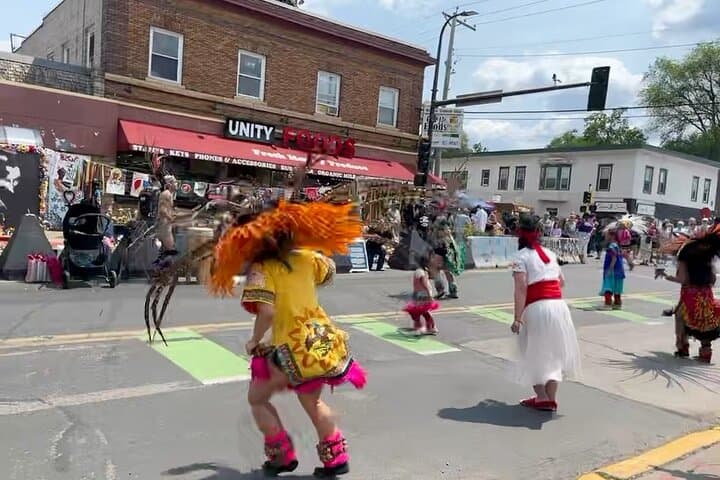
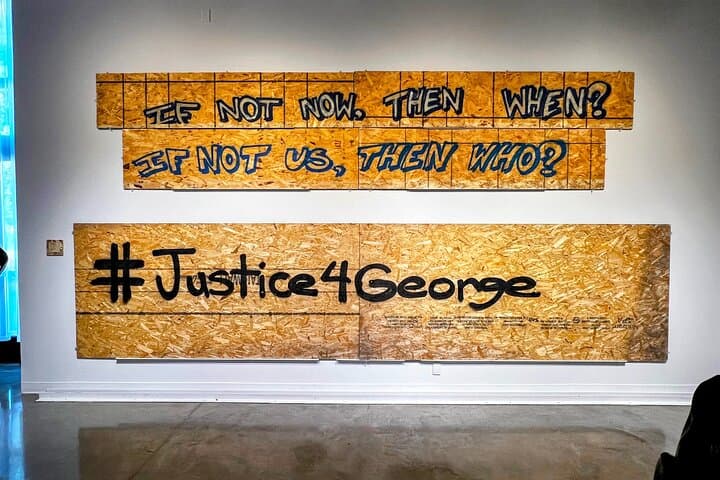
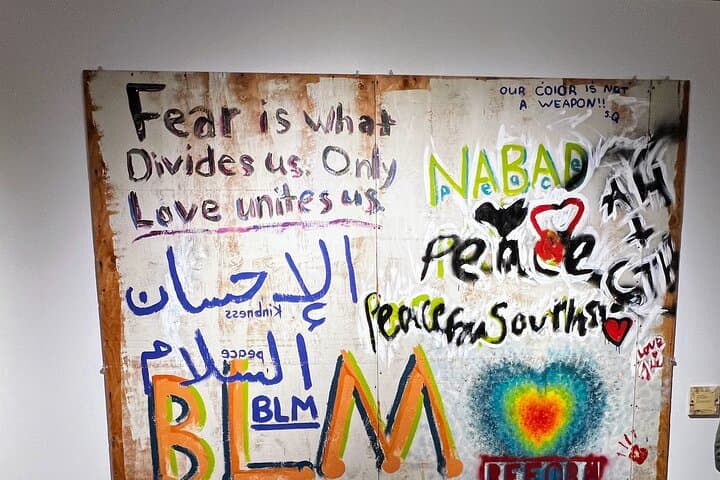
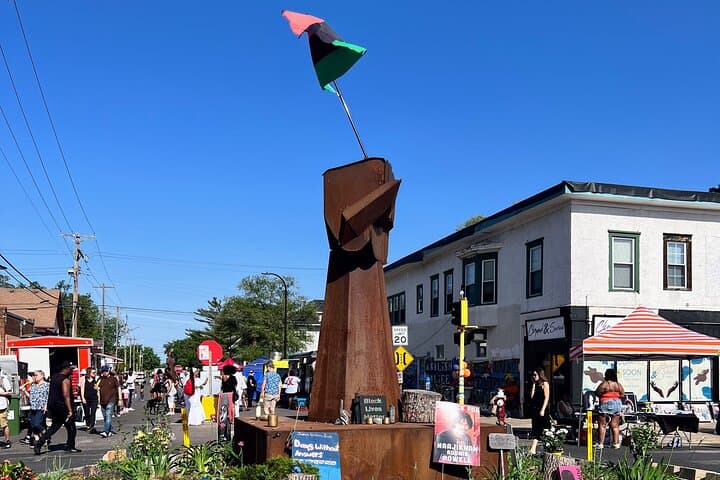
A visitor steps onto E. 38th Street and Chicago Avenue and the city shifts—painted murals, stacked flowers, and written names press close like a collective breath. The square reads as an open-air archive: layers of paint, candles, posters and makeshift shrines that map the weeks and years of public grief and organizing.
A visitor steps onto E. 38th Street and Chicago Avenue and the city shifts—painted murals, stacked flowers, and written names press close like a collective breath. The square reads as an open-air archive: layers of paint, candles, posters and makeshift shrines that map the weeks and years of public grief and organizing.
George Floyd Square formed after May 25, 2020, when protests and memorials transformed the intersection into a community-maintained site of remembrance and civic conversation. The site sits on the south Minneapolis plain carved by glacial action and drained by historic river terraces; the terrain itself is flat, city pavement punctuated by pocket plantings and curbed planters. Local businesses such as Mystic Healing Stones and Bichota Coffee joined neighbors in shaping the visitor experience, offering art, respite and context.
This is a listening tour as much as a walking one: guides frame the murals and the grassroots organizing that followed, point to community resources like the Sabathani Community Center, and explain volunteer options such as the People’s Closet. Expect on-foot interpretation, quiet time at memorial panels, and stops inside accessible community spaces to decompress.
Practicalities matter: come prepared to stand and move slowly for about an hour, wear comfortable shoes, and follow photography etiquette around personal tributes. Public transportation serves the area; street parking is limited. The mood can be solemn and reflective—plan for a short decompression afterward, perhaps at a nearby cafe. Respect, curiosity and patience make this visit constructive for both guests and hosts.