THE ADVENTURE COLLECTIVE® · Independent discovery and booking for outdoor travel

A 12-day circuit through Sri Lanka that pairs Geoffrey Bawa’s iconic architecture with ancient ruins, coastal beaches, and a Minneriya safari. Practical pacing, thoughtful design, and wildlife moments make this a journey for travelers who want both context and calm.
A 12-day circuit through Sri Lanka that pairs Geoffrey Bawa’s iconic architecture with ancient ruins, coastal beaches, and a Minneriya safari. Practical pacing, thoughtful design, and wildlife moments make this a journey for travelers who want both context and calm.
You step off the airport road and the air changes—warm, salty, threaded with incense and diesel. The first stop is Negombo’s fishing harbor, where nets sag like old flags and the ocean seems to dare you to pay attention. Over the next twelve days the landscape keeps doing the same: it pushes, softens, and reveals. Muddy river mangroves give way to the sculpted calm of Lunuganga’s gardens; limestone outcrops of central Sri Lanka morph into the vertical drama of Sigiriya; coastal palms frame modernist hotel pavilions that open to the sea.
Verified experiences and guided adventures in the surrounding area.
Operated by Lakpura LLC · Colombo, Western Province
You step off the airport road and the air changes—warm, salty, threaded with incense and diesel. The first stop is Negombo’s fishing harbor, where nets sag like old flags and the ocean seems to dare you to pay attention. Over the next twelve days the landscape keeps doing the same: it pushes, softens, and reveals. Muddy river mangroves give way to the sculpted calm of Lunuganga’s gardens; limestone outcrops of central Sri Lanka morph into the vertical drama of Sigiriya; coastal palms frame modernist hotel pavilions that open to the sea.
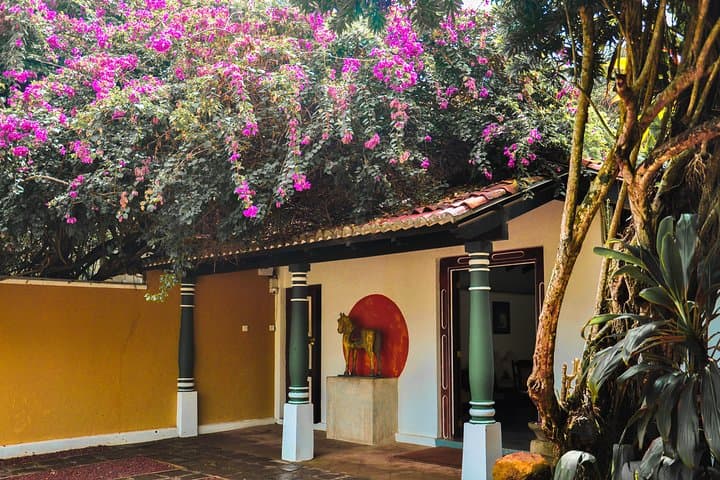
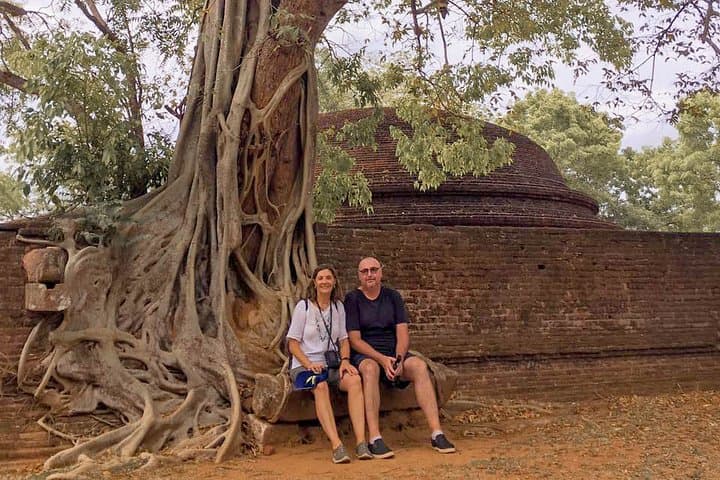
This trip is a study in place-making. Geoffrey Bawa, Sri Lanka’s most influential architect, read the island’s topography as colleague and collaborator. His houses and hotels—Lunuganga, Heritance Kandalama, Jetwing Lighthouse—are exercises in fitting human scale to landform, using courtyards, water, and light to blur inside and out. Layered over Bawa’s modern interventions is a longer history: Portuguese mantelpieces in Galle Fort, Kandyan-era wood-carving in Kandy, and the map-scarred ruins of Polonnaruwa from the 10th–13th centuries.
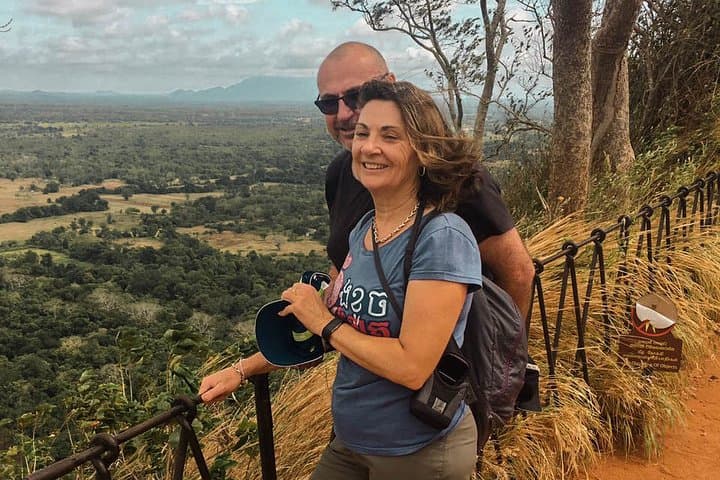
Geology matters here. Sigiriya’s sheer rock rose from igneous intrusions millions of years ago; the central plains are ancient river terraces that supported kingdoms and irrigation systems still in use. Wildlife is equally present—Minneriya’s dry scrub calls elephants into a seasonal congregation, while the wetlands around Bentota and Negombo host migratory and resident birds that trace the island’s coastal ecology.
Practically, the itinerary is paced: a few long drives, restful beach days, and multiple short walks that require steady footing more than peak fitness. Sigiriya’s staircases are steep but short; temple complexes and colonial forts are best explored on foot.
If you go: pack breathable layers, good walking shoes, and a camera with a wide-angle lens for jungle-cleared vistas and Bawa’s long sightlines. Plan mornings for the monuments—midsummer heat intensifies by 10:30—and reserve an afternoon for a guided Minneriya safari during dry-season months to catch the elephant gatherings. Respect temple dress codes (shoulders and knees covered) and ask before photographing religious rituals.
Beyond the landmarks, linger—sip tea on a verandah designed to catch a breeze, follow a narrow lane in Galle off the main ramparts, or take a dawn boat across a mangrove channel where the water moves like a quiet animal. This is not only an architectural tour. It’s a route through Sri Lanka’s layered climate, politics, and craft—an invitation to see how buildings and nature can be deliberate companions rather than antagonists.
moderate.
12 days.
Suitable for travelers who can walk 2–3 hours across uneven ground and climb short steep staircases.
Moderate—daily walking includes stairs and uneven ground but the itinerary includes leisure days and private vehicle transport between major stops.
Many inclusions are listed as transport and guide services; check the booking page for details on admissions—some sites may require separate tickets.
Yes; infant seats are available, but climbing Sigiriya and long drives may be tiring for very young children.
An English-speaking chauffeur guide is provided for the duration of the tour.
The dry season, typically May–October, concentrates elephants around remaining water and improves the chances of a large gathering.
Standard travel vaccinations are recommended; bring mosquito repellent for coastal and wetland areas and follow local advisories for drinking water and food safety.
Geoffrey Bawa reshaped modern Sri Lankan architecture by integrating buildings with landscape; Galle Fort records Portuguese and Dutch colonial layers dating from the 16th century onward.
Many sites rely on sensitive tourism; follow walk-on paths, avoid feeding wildlife, and favor local guides and accommodations with community engagement.
Lakpura LLC operates guided outdoor trips and adventures with an emphasis on safety, stewardship, and memorable experiences.
You step off the airport road and the air changes—warm, salty, threaded with incense and diesel. The first stop is Negombo’s fishing harbor, where nets sag like old flags and the ocean seems to dare you to pay attention. Over the next twelve days the landscape keeps doing the same: it pushes, softens, and reveals. Muddy river mangroves give way to the sculpted calm of Lunuganga’s gardens; limestone outcrops of central Sri Lanka morph into the vertical drama of Sigiriya; coastal palms frame modernist hotel pavilions that open to the sea.
You step off the airport road and the air changes—warm, salty, threaded with incense and diesel. The first stop is Negombo’s fishing harbor, where nets sag like old flags and the ocean seems to dare you to pay attention. Over the next twelve days the landscape keeps doing the same: it pushes, softens, and reveals. Muddy river mangroves give way to the sculpted calm of Lunuganga’s gardens; limestone outcrops of central Sri Lanka morph into the vertical drama of Sigiriya; coastal palms frame modernist hotel pavilions that open to the sea.
This trip is a study in place-making. Geoffrey Bawa, Sri Lanka’s most influential architect, read the island’s topography as colleague and collaborator. His houses and hotels—Lunuganga, Heritance Kandalama, Jetwing Lighthouse—are exercises in fitting human scale to landform, using courtyards, water, and light to blur inside and out. Layered over Bawa’s modern interventions is a longer history: Portuguese mantelpieces in Galle Fort, Kandyan-era wood-carving in Kandy, and the map-scarred ruins of Polonnaruwa from the 10th–13th centuries.
Geology matters here. Sigiriya’s sheer rock rose from igneous intrusions millions of years ago; the central plains are ancient river terraces that supported kingdoms and irrigation systems still in use. Wildlife is equally present—Minneriya’s dry scrub calls elephants into a seasonal congregation, while the wetlands around Bentota and Negombo host migratory and resident birds that trace the island’s coastal ecology.
Practically, the itinerary is paced: a few long drives, restful beach days, and multiple short walks that require steady footing more than peak fitness. Sigiriya’s staircases are steep but short; temple complexes and colonial forts are best explored on foot.
If you go: pack breathable layers, good walking shoes, and a camera with a wide-angle lens for jungle-cleared vistas and Bawa’s long sightlines. Plan mornings for the monuments—midsummer heat intensifies by 10:30—and reserve an afternoon for a guided Minneriya safari during dry-season months to catch the elephant gatherings. Respect temple dress codes (shoulders and knees covered) and ask before photographing religious rituals.
Beyond the landmarks, linger—sip tea on a verandah designed to catch a breeze, follow a narrow lane in Galle off the main ramparts, or take a dawn boat across a mangrove channel where the water moves like a quiet animal. This is not only an architectural tour. It’s a route through Sri Lanka’s layered climate, politics, and craft—an invitation to see how buildings and nature can be deliberate companions rather than antagonists.