THE ADVENTURE COLLECTIVE® · Independent discovery and booking for outdoor travel

See Genoa’s historic center by rickshaw in two hours, from hidden alleys in the Maddalena quarter to the palaces of Via Garibaldi and the Old Port. This private tour stitches local history, architecture, and narrow-city logistics into an accessible, sensory route.
See Genoa’s historic center by rickshaw in two hours, from hidden alleys in the Maddalena quarter to the palaces of Via Garibaldi and the Old Port. This private tour stitches local history, architecture, and narrow-city logistics into an accessible, sensory route.
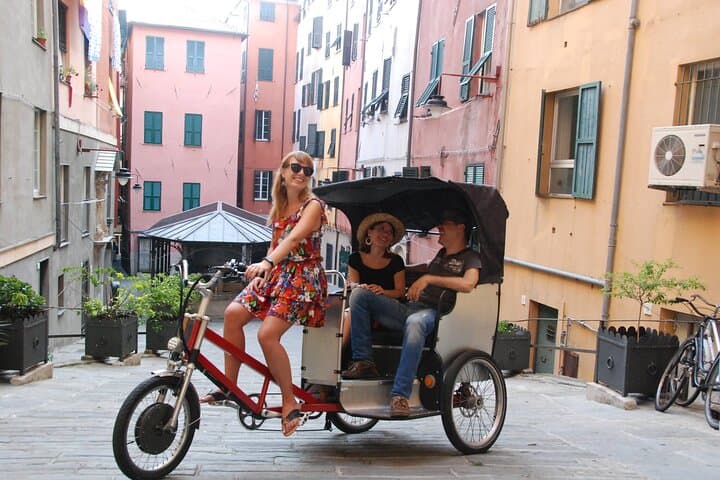
You roll out of a narrow alley and the city opens — a courtyard roofline, a bell tower, sunlight skimming a pale marble façade. In two hours a nimble rickshaw threads Genoa’s medieval veins: the tight, secretive lanes of the Maddalena quarter give way to the broader, palace-lined sweep of Via Garibaldi and the bright bustle of Piazza De Ferrari.
Verified experiences and guided adventures in the surrounding area.
Operated by Treecycle · Genoa, Liguria
You roll out of a narrow alley and the city opens — a courtyard roofline, a bell tower, sunlight skimming a pale marble façade. In two hours a nimble rickshaw threads Genoa’s medieval veins: the tight, secretive lanes of the Maddalena quarter give way to the broader, palace-lined sweep of Via Garibaldi and the bright bustle of Piazza De Ferrari.
Genoa’s center grew as a maritime republic; palazzi on Via Garibaldi once hosted merchant nobles on state business and the port’s warehouses shaped the city’s economy. Geologically the city sits where the Apennine foothills meet the Ligurian Sea, so expect sudden changes in elevation and staircases tucked between buildings. Cultural notes dot the route: Porta Soprana’s ancient walls, the modest house associated with Christopher Columbus, the black-and-white façade of the Cattedrale di San Lorenzo, and the reclaimed waterfront of the Old Port by Renzo Piano.
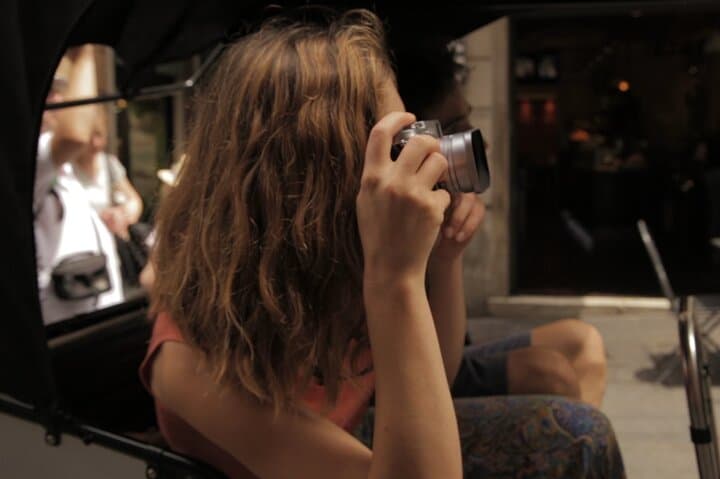
Practical guidance: the tour is private and rickshaw-based, ideal for short legs and narrow streets where buses can’t go. The vehicle fits two adults (plus up to two children under six) and is stroller accessible, but some stops include cobbles and steps; wear supportive shoes. Bring a small bottle of water, a light layer for sea breezes, and a camera for sudden viewpoints.
This is an efficient, sensory introduction to Genoa’s history and architecture — compact enough for cruise visitors, rich enough for first-time explorers who want the stories behind the façades.
easy.
2 hours.
Suitable for most fitness levels; mostly seated with short disembarks for photos and short walks
The rickshaw seats up to two adults and up to two children under age six; larger groups should book multiple vehicles or a different tour.
The rickshaw and much of the route are stroller accessible, but some stops include steps and cobbles—expect to leave a stroller with the guide during brief on-foot visits.
Pickup can be arranged in central Genoa near the historic center or Old Port; exact meeting point is confirmed at booking depending on your location or cruise arrival.
Full refund available if you cancel at least 24 hours before the scheduled departure; bookings within 24 hours are non-refundable.
Genoa was a powerful maritime republic; its Strade Nuove and palazzi reflect merchant wealth and diplomatic networks, and Columbus’ youth in the city feeds local lore.
Many historic buildings are part of the UNESCO-listed Rolli Palaces system; visitors are encouraged to stick to paths, avoid touching frescoes, and support local conservation-minded businesses.
Treecycle operates guided outdoor trips and adventures with an emphasis on safety, stewardship, and memorable experiences.
You roll out of a narrow alley and the city opens — a courtyard roofline, a bell tower, sunlight skimming a pale marble façade. In two hours a nimble rickshaw threads Genoa’s medieval veins: the tight, secretive lanes of the Maddalena quarter give way to the broader, palace-lined sweep of Via Garibaldi and the bright bustle of Piazza De Ferrari.
You roll out of a narrow alley and the city opens — a courtyard roofline, a bell tower, sunlight skimming a pale marble façade. In two hours a nimble rickshaw threads Genoa’s medieval veins: the tight, secretive lanes of the Maddalena quarter give way to the broader, palace-lined sweep of Via Garibaldi and the bright bustle of Piazza De Ferrari.
Genoa’s center grew as a maritime republic; palazzi on Via Garibaldi once hosted merchant nobles on state business and the port’s warehouses shaped the city’s economy. Geologically the city sits where the Apennine foothills meet the Ligurian Sea, so expect sudden changes in elevation and staircases tucked between buildings. Cultural notes dot the route: Porta Soprana’s ancient walls, the modest house associated with Christopher Columbus, the black-and-white façade of the Cattedrale di San Lorenzo, and the reclaimed waterfront of the Old Port by Renzo Piano.
Practical guidance: the tour is private and rickshaw-based, ideal for short legs and narrow streets where buses can’t go. The vehicle fits two adults (plus up to two children under six) and is stroller accessible, but some stops include cobbles and steps; wear supportive shoes. Bring a small bottle of water, a light layer for sea breezes, and a camera for sudden viewpoints.
This is an efficient, sensory introduction to Genoa’s history and architecture — compact enough for cruise visitors, rich enough for first-time explorers who want the stories behind the façades.