THE ADVENTURE COLLECTIVE® · Independent discovery and booking for outdoor travel

Spend a full day exploring Genipabu’s wind‑sculpted dunes and clear coastal waters with hotel pickup from Natal. Expect photo vantage points, optional buggy rides, and time to swim or relax on the beach.
Spend a full day exploring Genipabu’s wind‑sculpted dunes and clear coastal waters with hotel pickup from Natal. Expect photo vantage points, optional buggy rides, and time to swim or relax on the beach.
You step off an air‑conditioned van into a horizon of shifting sand: Genipabu's dunes rise and fall like an inland tide, wind carving ribs and crescent ridges that dare you to climb them. The Atlantic presses in on one side, the Potengi River opening toward the sea on the other, and the beach stretches with clear, warm water that invites a slowing of pace after the rush of wind and sand.
Verified experiences and guided adventures in the surrounding area.
Operated by GNTUR NATAL · Natal, Rio Grande do Norte
You step off an air‑conditioned van into a horizon of shifting sand: Genipabu's dunes rise and fall like an inland tide, wind carving ribs and crescent ridges that dare you to climb them. The Atlantic presses in on one side, the Potengi River opening toward the sea on the other, and the beach stretches with clear, warm water that invites a slowing of pace after the rush of wind and sand.
Historically this stretch of coast has long been a crossroads—colonial forts in Natal watched trade and conflict where river met ocean, and the dunes themselves are a relatively young coastal system shaped by wind, waves and human use. Locals—many of them experienced bugueiros—manage guided rides that read the sand like a map; lagoons form behind dune ridgelines after rains, offering calmer waters and striking contrasts with the pale sand.
On a practical level expect a full‑day outing (about 7–8 hours) with hotel pickup in Natal, roundtrip transport in an air‑conditioned vehicle, and a professional guide. The core experience balances vision and motion: photo stops on high dunes, optional buggy runs that vary from gentle to adrenaline‑charged, and time to swim or rest by the shore.
Plan to go early to beat midday heat, bring cash for optional activities, and wear sun protection and comfortable footwear for sand. If you choose the buggy, confirm the intensity level in advance and follow your driver's safety briefing. Genipabu rewards curiosity—walk a dune ridge, let the wind push you forward, and return with clear views and the unmistakable grit of a day spent where land and sea keep changing the story.
easy.
7–8 hours.
Suitable for most fitness levels; you'll do light walking on sand and short climbs over dunes so basic mobility and balance help.
Buggy rides are optional and usually priced separately at the site—your tour includes transport, guide and beach time; confirm pricing when you book.
The shared tour runs roughly 7–8 hours (420–480 minutes) with hotel pickup in Natal starting around 8:30 a.m.; exact pickup times depend on your hotel.
The vendor lists accessibility for wheelchair users for transport and some viewing areas, but dune access and buggy intensity may not be suitable—contact the operator to discuss specifics.
Yes—there are calm sections and lagoons suitable for swimming, but always heed local guidance about currents and recommended swim spots.
The coastline near Natal was strategically important during colonial periods; Fort dos Reis Magos guards the mouth of the Potengi River and offers context for the region's maritime past.
Dune systems are dynamic and sensitive—stick to marked tracks, avoid trampling vegetation that stabilizes sand, and take waste with you to protect lagoons and beach habitat.
GNTUR NATAL operates guided outdoor trips and adventures with an emphasis on safety, stewardship, and memorable experiences.

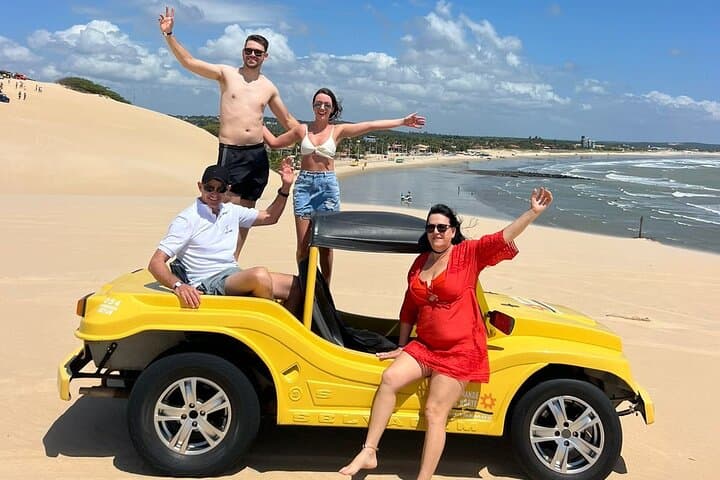

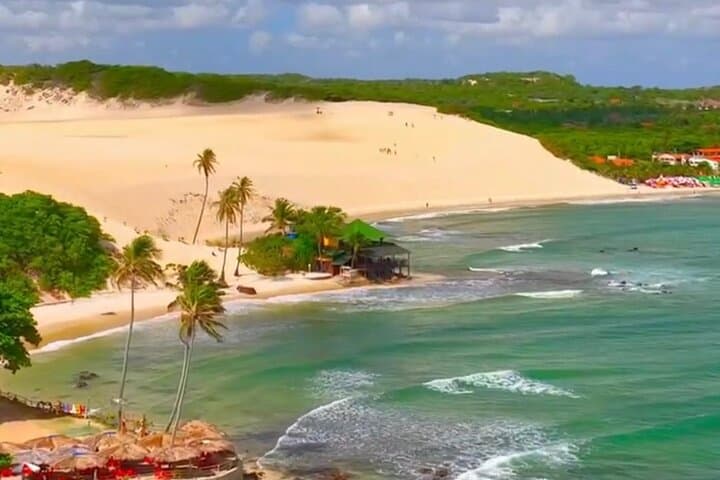
You step off an air‑conditioned van into a horizon of shifting sand: Genipabu's dunes rise and fall like an inland tide, wind carving ribs and crescent ridges that dare you to climb them. The Atlantic presses in on one side, the Potengi River opening toward the sea on the other, and the beach stretches with clear, warm water that invites a slowing of pace after the rush of wind and sand.
You step off an air‑conditioned van into a horizon of shifting sand: Genipabu's dunes rise and fall like an inland tide, wind carving ribs and crescent ridges that dare you to climb them. The Atlantic presses in on one side, the Potengi River opening toward the sea on the other, and the beach stretches with clear, warm water that invites a slowing of pace after the rush of wind and sand.
Historically this stretch of coast has long been a crossroads—colonial forts in Natal watched trade and conflict where river met ocean, and the dunes themselves are a relatively young coastal system shaped by wind, waves and human use. Locals—many of them experienced bugueiros—manage guided rides that read the sand like a map; lagoons form behind dune ridgelines after rains, offering calmer waters and striking contrasts with the pale sand.
On a practical level expect a full‑day outing (about 7–8 hours) with hotel pickup in Natal, roundtrip transport in an air‑conditioned vehicle, and a professional guide. The core experience balances vision and motion: photo stops on high dunes, optional buggy runs that vary from gentle to adrenaline‑charged, and time to swim or rest by the shore.
Plan to go early to beat midday heat, bring cash for optional activities, and wear sun protection and comfortable footwear for sand. If you choose the buggy, confirm the intensity level in advance and follow your driver's safety briefing. Genipabu rewards curiosity—walk a dune ridge, let the wind push you forward, and return with clear views and the unmistakable grit of a day spent where land and sea keep changing the story.