THE ADVENTURE COLLECTIVE® · Independent discovery and booking for outdoor travel

Speed across towering dunes, cool off in freshwater lagoons and finish with a swim at Jacumã — this full-day buggy route along Rio Grande do Norte’s north coast mixes scenery, local culture and beach time. Read on for what to expect and how to prepare.
Speed across towering dunes, cool off in freshwater lagoons and finish with a swim at Jacumã — this full-day buggy route along Rio Grande do Norte’s north coast mixes scenery, local culture and beach time. Read on for what to expect and how to prepare.
The engine kicks and sand rises: a ribbon of compacted dunes and open beach unspools ahead as the buggy threads between sculpted walls of ochre and white sand. Riders feel the coast change — wind-swept dune ridges give way to calm lagoons and then the Atlantic, where warm water laps broad, shallow beaches at Jacumã.
Verified experiences and guided adventures in the surrounding area.
Operated by Kleyton juvencio · Natal, Rio Grande do Norte
The engine kicks and sand rises: a ribbon of compacted dunes and open beach unspools ahead as the buggy threads between sculpted walls of ochre and white sand. Riders feel the coast change — wind-swept dune ridges give way to calm lagoons and then the Atlantic, where warm water laps broad, shallow beaches at Jacumã.
This stretch of Rio Grande do Norte has long been shaped by wind and sea; dunes here are mobile, built over millennia as coastal currents and trade winds shifted sediments. Indigenous Potiguara communities and small fishing villages still mark the shoreline, and the route takes you past craft stalls and local shrines that speak to a working coastal culture.
Geology is on display: crescent dunes, interdunal lagoons, and beaches with fine quartz sand formed from eroded continental rocks. Birdlife and shore crabs frequent the lagoons and tide edges, while small artisan markets sell lacemakers’ and shellwork near fishing hamlets.
Practically, expect 5–7 hours: several short stops for photos, a dromedary-style novelty ride, zipline options, and a long lunch stop at Jacumã where water is usually calm for swimming. The tour is guided and family-friendly; vehicles handle soft sand but transfers include short, sandy walks and climbing into the buggies.
Bring sun protection, a refillable water bottle, and footwear that handles sand and salt. Plan for heat in midday and brief exposed moments on ridgelines; follow guide instructions for dunes and swimming. The trip is a hands-on way to read the coastline—each lagoon and dune has its own angle of light and wind.
easy.
5–7 hours.
Suitable for most fitness levels; able to climb into a buggy and manage short walks on sand.
Yes — the itinerary notes it’s suitable for all fitness levels and allows infants in strollers or on laps; child policies vary so confirm ages when booking.
Lunch at Jacumã is typically a stop to eat but not always included; check the tour’s inclusions or bring cash for local restaurants.
The listing indicates wheelchair-accessible transport and surfaces, but boarding a buggy requires stepping up; notify the operator of specific needs before booking.
This tour lists an all-sales-final policy with no refunds for cancellations, so confirm plans before purchasing.
The coastline is part of traditional Potiguara territory and developed around small fishing communities; dunes have shifted for centuries, influencing settlement and fishing practices.
Dune ecosystems are fragile; follow guide directions to avoid trampling vegetation, respect local waste practices and avoid driving off marked dune tracks.
Kleyton juvencio operates guided outdoor trips and adventures with an emphasis on safety, stewardship, and memorable experiences.

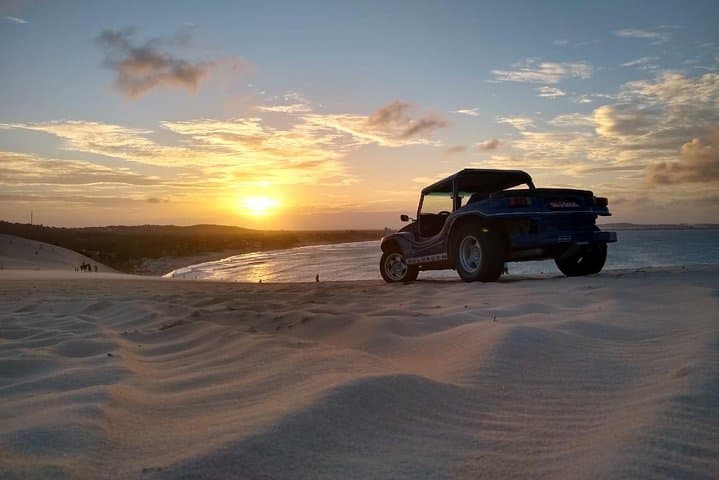
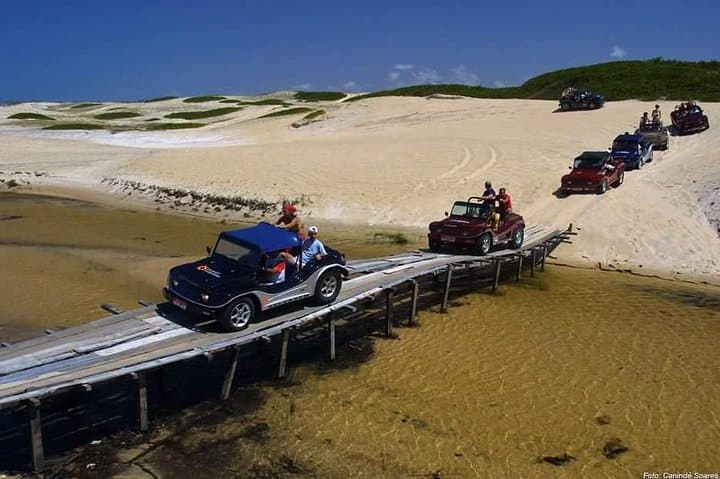
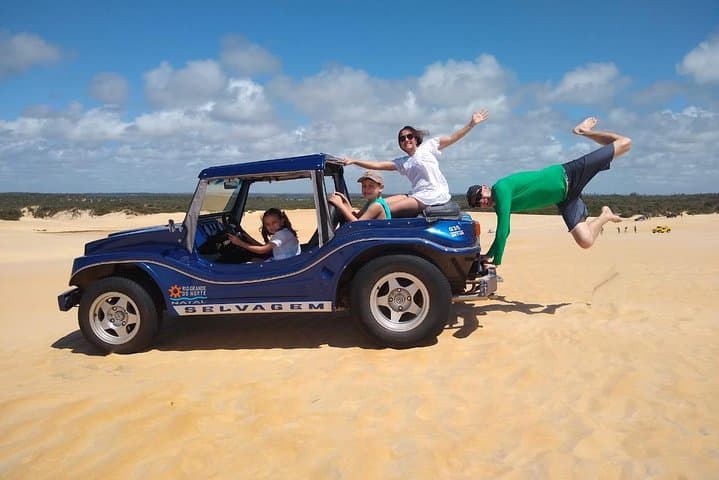
The engine kicks and sand rises: a ribbon of compacted dunes and open beach unspools ahead as the buggy threads between sculpted walls of ochre and white sand. Riders feel the coast change — wind-swept dune ridges give way to calm lagoons and then the Atlantic, where warm water laps broad, shallow beaches at Jacumã.
The engine kicks and sand rises: a ribbon of compacted dunes and open beach unspools ahead as the buggy threads between sculpted walls of ochre and white sand. Riders feel the coast change — wind-swept dune ridges give way to calm lagoons and then the Atlantic, where warm water laps broad, shallow beaches at Jacumã.
This stretch of Rio Grande do Norte has long been shaped by wind and sea; dunes here are mobile, built over millennia as coastal currents and trade winds shifted sediments. Indigenous Potiguara communities and small fishing villages still mark the shoreline, and the route takes you past craft stalls and local shrines that speak to a working coastal culture.
Geology is on display: crescent dunes, interdunal lagoons, and beaches with fine quartz sand formed from eroded continental rocks. Birdlife and shore crabs frequent the lagoons and tide edges, while small artisan markets sell lacemakers’ and shellwork near fishing hamlets.
Practically, expect 5–7 hours: several short stops for photos, a dromedary-style novelty ride, zipline options, and a long lunch stop at Jacumã where water is usually calm for swimming. The tour is guided and family-friendly; vehicles handle soft sand but transfers include short, sandy walks and climbing into the buggies.
Bring sun protection, a refillable water bottle, and footwear that handles sand and salt. Plan for heat in midday and brief exposed moments on ridgelines; follow guide instructions for dunes and swimming. The trip is a hands-on way to read the coastline—each lagoon and dune has its own angle of light and wind.