THE ADVENTURE COLLECTIVE® · Independent discovery and booking for outdoor travel

A full‑day loop from Ulaanbaatar to the gleaming Genghis Khan statue and the granite ribs of Gorkhi‑Terelj. Expect short hikes, horse or camel rides, a museum, and wide steppe views.
A full‑day loop from Ulaanbaatar to the gleaming Genghis Khan statue and the granite ribs of Gorkhi‑Terelj. Expect short hikes, horse or camel rides, a museum, and wide steppe views.
You leave Ulaanbaatar with the city’s hard edges sliding behind you and the Mongolian steppe opening like a vast, wind-sculpted page. The first sign is the statue: a 40‑meter stainless‑steel equestrian figure catching light, its polished flank throwing back the sky. An elevator inside the horse’s tail takes you up for a close look; from there the plain, dotted with granite outcrops and larch stands, stretches to the horizon.
Verified experiences and guided adventures in the surrounding area.
Operated by Amazing Mongolia · Ulaanbaatar, Töv Province
You leave Ulaanbaatar with the city’s hard edges sliding behind you and the Mongolian steppe opening like a vast, wind-sculpted page. The first sign is the statue: a 40‑meter stainless‑steel equestrian figure catching light, its polished flank throwing back the sky. An elevator inside the horse’s tail takes you up for a close look; from there the plain, dotted with granite outcrops and larch stands, stretches to the horizon.
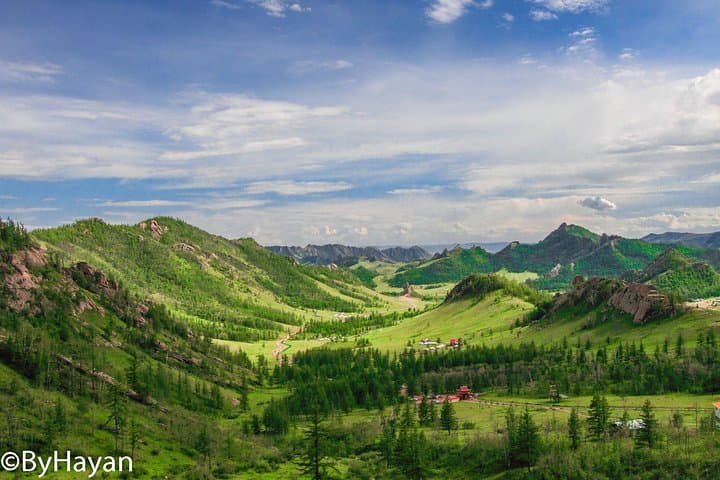
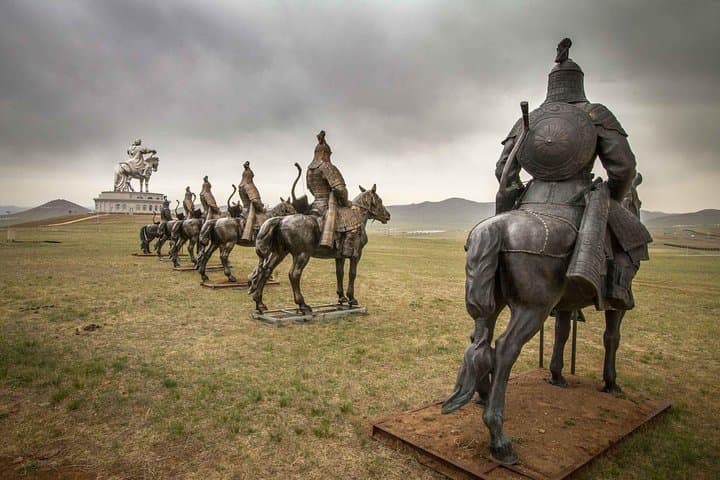
The statue at Tsonjin Boldog, completed in 2008, commemorates the empire’s founder and anchors a compact complex with a museum of Hunnu and Mongol artifacts, a cafe and souvenir stalls. Eastward, Gorkhi‑Terelj National Park trades open steppe for rounded granite ribs, pine and larch groves, and sculpted features such as Turtle Rock. Aryaval meditation centre perches on a hillside above a wooden bridge; the site blends modern Buddhist art with sweeping views.
Expect a day of short hikes (30–90 minutes on trails with 150–300 m gains), horseback or camel rides across gentle slopes, and opportunities to meet nomadic families or enter a ger. Roads are a mix of paved and hard-packed dirt; weather changes quickly so layers matter. Plan an early departure to avoid midday winds and bring cash for small fees, snacks and optional photo props. Hydrate, wear sturdy shoes with good traction for granite steps, and leave room in your schedule — Mongolian landscapes reward slow attention.
This one‑day loop is practical to fit into a city stay yet offers enough variety — culture, geology and active time outside — to feel like a true steppe day.
moderate.
8–10 hours.
Moderate fitness: able to walk 2–6 miles over uneven terrain and handle short elevation gains of 150–300 m
The drive to the statue and into parts of Gorkhi‑Terelj typically takes 1–1.5 hours each way depending on traffic and road conditions.
Standard tours often include museum admission, but small optional fees or extras (armor photo, souvenirs) may require cash on site.
Yes for short, guided activities; the tour is family‑friendly but requires moderate mobility for short hikes and getting on/off horses or camels.
Yes — the centre is a short hike from Turtle Rock and is commonly included on day tours, though access may depend on opening hours and itinerary timing.
The Tsonjin Boldog site is tied to local legend about Genghis Khan finding a golden whip; the modern statue (2008) was privately funded and reflects a recent surge in national monuments.
Gorkhi‑Terelj is a protected area balancing tourism and nomadic grazing; stick to trails, avoid disturbing wildlife, and minimize waste to protect fragile steppe and larch woodlands.
Amazing Mongolia operates guided outdoor trips and adventures with an emphasis on safety, stewardship, and memorable experiences.
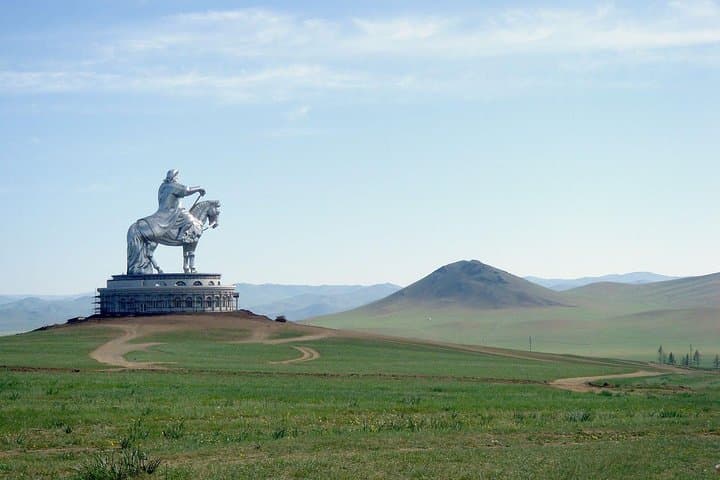
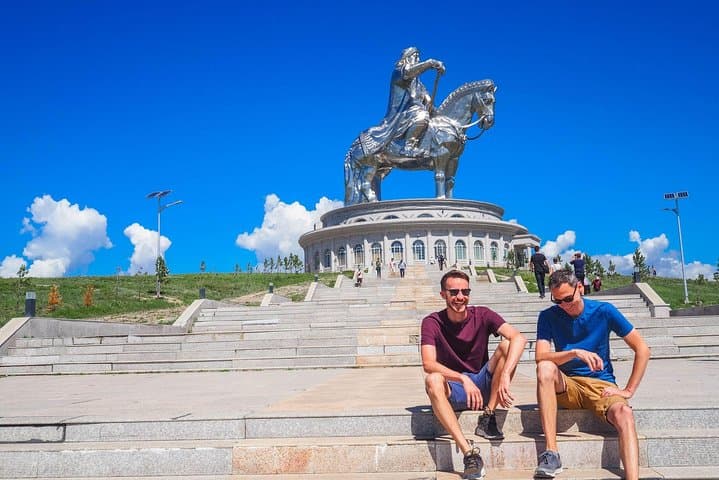
You leave Ulaanbaatar with the city’s hard edges sliding behind you and the Mongolian steppe opening like a vast, wind-sculpted page. The first sign is the statue: a 40‑meter stainless‑steel equestrian figure catching light, its polished flank throwing back the sky. An elevator inside the horse’s tail takes you up for a close look; from there the plain, dotted with granite outcrops and larch stands, stretches to the horizon.
You leave Ulaanbaatar with the city’s hard edges sliding behind you and the Mongolian steppe opening like a vast, wind-sculpted page. The first sign is the statue: a 40‑meter stainless‑steel equestrian figure catching light, its polished flank throwing back the sky. An elevator inside the horse’s tail takes you up for a close look; from there the plain, dotted with granite outcrops and larch stands, stretches to the horizon.
The statue at Tsonjin Boldog, completed in 2008, commemorates the empire’s founder and anchors a compact complex with a museum of Hunnu and Mongol artifacts, a cafe and souvenir stalls. Eastward, Gorkhi‑Terelj National Park trades open steppe for rounded granite ribs, pine and larch groves, and sculpted features such as Turtle Rock. Aryaval meditation centre perches on a hillside above a wooden bridge; the site blends modern Buddhist art with sweeping views.
Expect a day of short hikes (30–90 minutes on trails with 150–300 m gains), horseback or camel rides across gentle slopes, and opportunities to meet nomadic families or enter a ger. Roads are a mix of paved and hard-packed dirt; weather changes quickly so layers matter. Plan an early departure to avoid midday winds and bring cash for small fees, snacks and optional photo props. Hydrate, wear sturdy shoes with good traction for granite steps, and leave room in your schedule — Mongolian landscapes reward slow attention.
This one‑day loop is practical to fit into a city stay yet offers enough variety — culture, geology and active time outside — to feel like a true steppe day.