THE ADVENTURE COLLECTIVE® · Independent discovery and booking for outdoor travel

Skip the bustle of trains and baggage logistics: this private transfer from Geneva puts you in Chamonix with a local driver-guide, cable-car access to Aiguille du Midi and time at Mer de Glace. It’s an efficient, low-stress way to experience Mont Blanc’s high-alpine highlights in a single day.
Skip the bustle of trains and baggage logistics: this private transfer from Geneva puts you in Chamonix with a local driver-guide, cable-car access to Aiguille du Midi and time at Mer de Glace. It’s an efficient, low-stress way to experience Mont Blanc’s high-alpine highlights in a single day.
The van eases out of Geneva before dawn, headlights cutting across a river of mist as the Jura and the first teeth of the Alps come into view. Ninety minutes later the valley opens: a compact town threaded with cobbled streets, cafés filling with climbers, and above it all Mont Blanc—the roof of Europe—sitting like an inevitable idea on the skyline. This private transfer delivers more than a shortcut; it’s a curated introduction to Chamonix’s high-alpine choreography, with a driver-guide who times each stop and points out glacial scars, classic peaks and the best shot of the massif.
Verified experiences and guided adventures in the surrounding area.
Operated by Keytours (Switzerland) · Chamonix, Auvergne-Rhône-Alpes
The van eases out of Geneva before dawn, headlights cutting across a river of mist as the Jura and the first teeth of the Alps come into view. Ninety minutes later the valley opens: a compact town threaded with cobbled streets, cafés filling with climbers, and above it all Mont Blanc—the roof of Europe—sitting like an inevitable idea on the skyline. This private transfer delivers more than a shortcut; it’s a curated introduction to Chamonix’s high-alpine choreography, with a driver-guide who times each stop and points out glacial scars, classic peaks and the best shot of the massif.
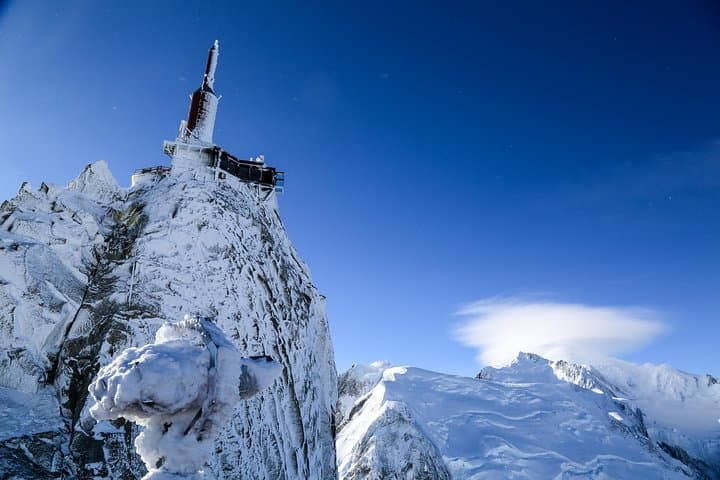
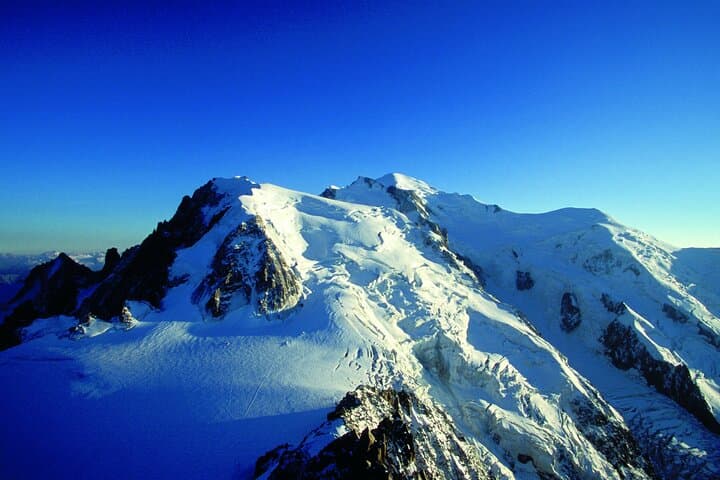
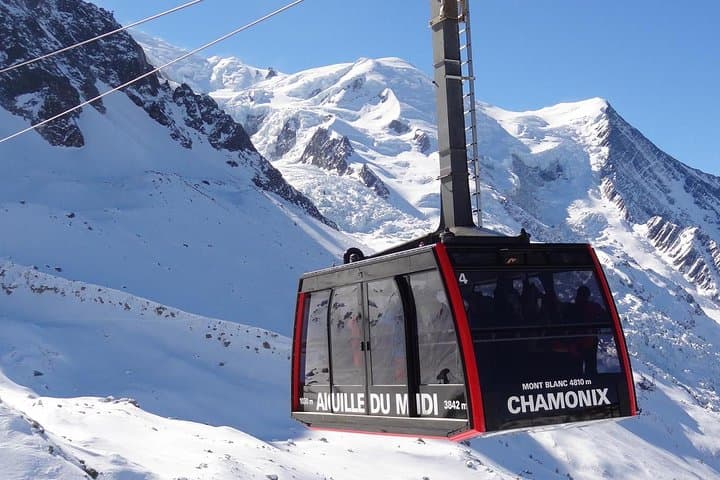
Geology here reads like a slow-motion drama. The Mont Blanc massif—dominated by Mont Blanc at roughly 4,809 m—was pushed up by tectonic collision millions of years ago; glaciers like the Mer de Glace carved the valleys you’ll cross, leaving polished granite and north-facing cirques. The Aiguille du Midi cable car, one of the highest vertical ascents in the world, takes you to 3,842 m for a panorama that stitches France, Switzerland and Italy into a crisp horizon. The cog railway to Montenvers descends to a viewpoint above the Mer de Glace, a 7 km glacier whose shrinking ice fronts tell a visible story of climate change.
Culture in Chamonix is a working mountaineering town—English, French and Italian are common on the sidewalks, and the town’s character mixes alpine practicality with international curiosity. Local guides still trade stories about early ascents and the ethics of alpinism; cafés pour dense espresso and bake nutty tarts that sustain you between cable car lines.
Practicalities: the full-day program runs about 8–10 hours door-to-door from Geneva, with hotel pickup and drop-off included. Bring a valid passport for border checks if you cross Swiss territory. If you plan the Aiguille du Midi and Mer de Glace options, your operator may issue a multipass—use it deliberately, as separate closures can affect refunds. Expect altitude: 3,842 m is thin air—move slowly, hydrate and avoid heavy exertion on the summit terrace.
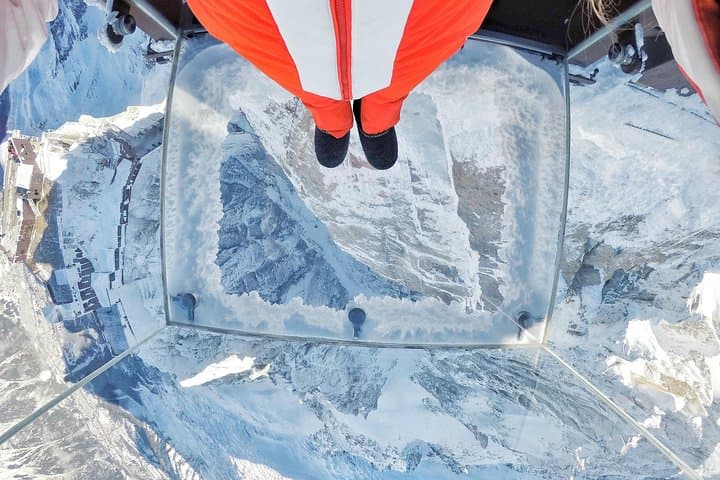
Timing matters. Start early to beat mid-day crowds at the cable car and secure photos from the “Step into the Void” viewing capsule if it’s open. Dress in layers: mountain weather changes fast—sun can be strong at high elevation even when the valley is cool. For families, note cable car restrictions for very young children and standard health advisories for those with cardiovascular concerns.
In short, the private transfer is more than transportation; it’s a focused day of alpine exposure—views, a glacier, and a chance to stand at the edge of high mountain engineering. Come prepared, give the mountains time to reveal themselves, and let the driver-guide shape the route so you get the clearest view of why Chamonix remains a mecca for anyone drawn to high places.
easy.
8–10 hours.
Light walking ability; tolerable to moderate altitude exposure. No technical fitness required but stair and standing tolerance helpful.
Expect approximately 90 minutes each way depending on traffic and your pickup location in Geneva.
Yes, a current valid passport is required for the day—border checks may occur en route.
Yes—options often include cable car and Montenvers cog-rail tickets; check availability and whether a multipass will be issued.
Cable cars admit children but the Aiguille du Midi attraction forbids children under 3; specific attractions like the glass capsule may have age and health restrictions.
Operators usually offer alternatives but multipass refunds depend on Compagnie du Mont-Blanc rules—confirm policies when booking.
Mild symptoms (headache, breathlessness) are possible at 3,842 m; move at an easy pace, hydrate and avoid alcohol before ascent.
Chamonix rose to prominence after the first ascent of Mont Blanc in 1786 and became Europe’s first mountain tourism hub; the Aiguille du Midi cable car, built mid-20th century, cemented its high-altitude accessibility.
The Mer de Glace is a visible indicator of glacier retreat; visitors are encouraged to follow marked paths and support local initiatives that monitor and mitigate glacier loss.
Keytours (Switzerland) operates guided outdoor trips and adventures with an emphasis on safety, stewardship, and memorable experiences.
The van eases out of Geneva before dawn, headlights cutting across a river of mist as the Jura and the first teeth of the Alps come into view. Ninety minutes later the valley opens: a compact town threaded with cobbled streets, cafés filling with climbers, and above it all Mont Blanc—the roof of Europe—sitting like an inevitable idea on the skyline. This private transfer delivers more than a shortcut; it’s a curated introduction to Chamonix’s high-alpine choreography, with a driver-guide who times each stop and points out glacial scars, classic peaks and the best shot of the massif.
The van eases out of Geneva before dawn, headlights cutting across a river of mist as the Jura and the first teeth of the Alps come into view. Ninety minutes later the valley opens: a compact town threaded with cobbled streets, cafés filling with climbers, and above it all Mont Blanc—the roof of Europe—sitting like an inevitable idea on the skyline. This private transfer delivers more than a shortcut; it’s a curated introduction to Chamonix’s high-alpine choreography, with a driver-guide who times each stop and points out glacial scars, classic peaks and the best shot of the massif.
Geology here reads like a slow-motion drama. The Mont Blanc massif—dominated by Mont Blanc at roughly 4,809 m—was pushed up by tectonic collision millions of years ago; glaciers like the Mer de Glace carved the valleys you’ll cross, leaving polished granite and north-facing cirques. The Aiguille du Midi cable car, one of the highest vertical ascents in the world, takes you to 3,842 m for a panorama that stitches France, Switzerland and Italy into a crisp horizon. The cog railway to Montenvers descends to a viewpoint above the Mer de Glace, a 7 km glacier whose shrinking ice fronts tell a visible story of climate change.
Culture in Chamonix is a working mountaineering town—English, French and Italian are common on the sidewalks, and the town’s character mixes alpine practicality with international curiosity. Local guides still trade stories about early ascents and the ethics of alpinism; cafés pour dense espresso and bake nutty tarts that sustain you between cable car lines.
Practicalities: the full-day program runs about 8–10 hours door-to-door from Geneva, with hotel pickup and drop-off included. Bring a valid passport for border checks if you cross Swiss territory. If you plan the Aiguille du Midi and Mer de Glace options, your operator may issue a multipass—use it deliberately, as separate closures can affect refunds. Expect altitude: 3,842 m is thin air—move slowly, hydrate and avoid heavy exertion on the summit terrace.
Timing matters. Start early to beat mid-day crowds at the cable car and secure photos from the “Step into the Void” viewing capsule if it’s open. Dress in layers: mountain weather changes fast—sun can be strong at high elevation even when the valley is cool. For families, note cable car restrictions for very young children and standard health advisories for those with cardiovascular concerns.
In short, the private transfer is more than transportation; it’s a focused day of alpine exposure—views, a glacier, and a chance to stand at the edge of high mountain engineering. Come prepared, give the mountains time to reveal themselves, and let the driver-guide shape the route so you get the clearest view of why Chamonix remains a mecca for anyone drawn to high places.