THE ADVENTURE COLLECTIVE® · Independent discovery and booking for outdoor travel

Walk a two-hour alternative-history tour through Philadelphia’s streets to explore how geography, finance, and civic life shaped Civil War strategy. Small group, wheelchair accessible, and anchored at City Hall and Independence Hall.
Walk a two-hour alternative-history tour through Philadelphia’s streets to explore how geography, finance, and civic life shaped Civil War strategy. Small group, wheelchair accessible, and anchored at City Hall and Independence Hall.
A late-morning sun cuts across Broad Street as the group gathers beneath the bronze figure of Gen. George B. McClellan on the north side of City Hall. The pavement hums with commuter footsteps while your guide reimagines 1863: supply lines, regiment movements, and a Confederate commander weighing the city’s defenses.
Verified experiences and guided adventures in the surrounding area.
Operated by Philly's Hidden History Vault · Philadelphia, Pennsylvania
A late-morning sun cuts across Broad Street as the group gathers beneath the bronze figure of Gen. George B. McClellan on the north side of City Hall. The pavement hums with commuter footsteps while your guide reimagines 1863: supply lines, regiment movements, and a Confederate commander weighing the city’s defenses.
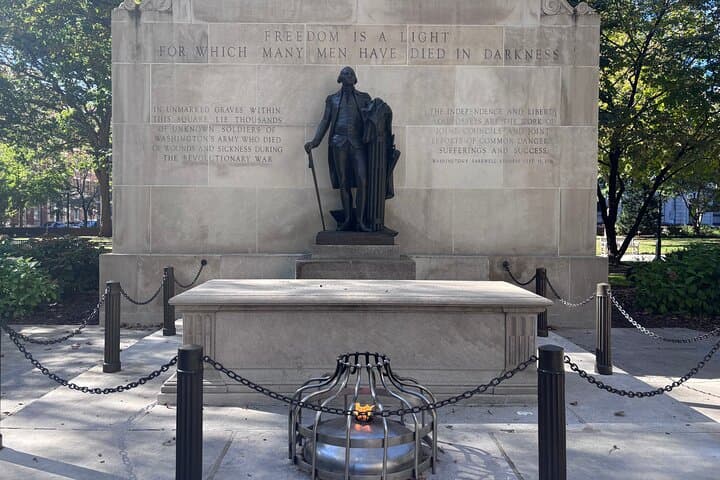
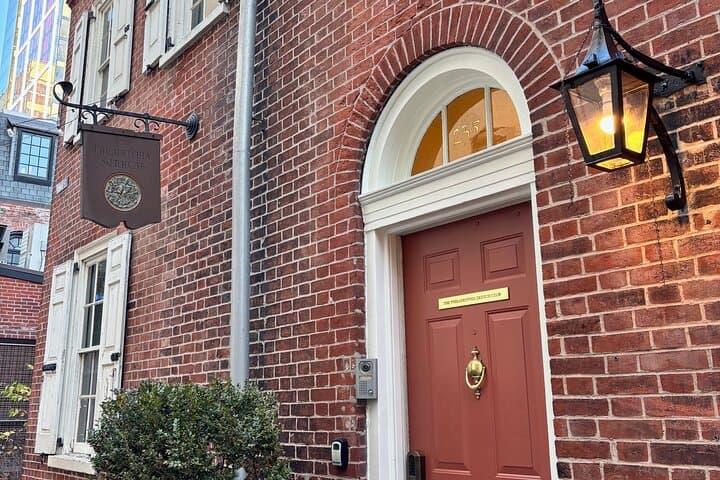
This two-hour, small-group walk threads together Independence Hall, Washington Square, and lesser-known stops like the Physic Garden and Little Club Row. The route explores urban geology—Philadelphia sits near the Fall Line where upland Piedmont gives way to the river plain—and how that landscape shaped rail yards, hospitals, and supply depots that made the city a Civil War hub.
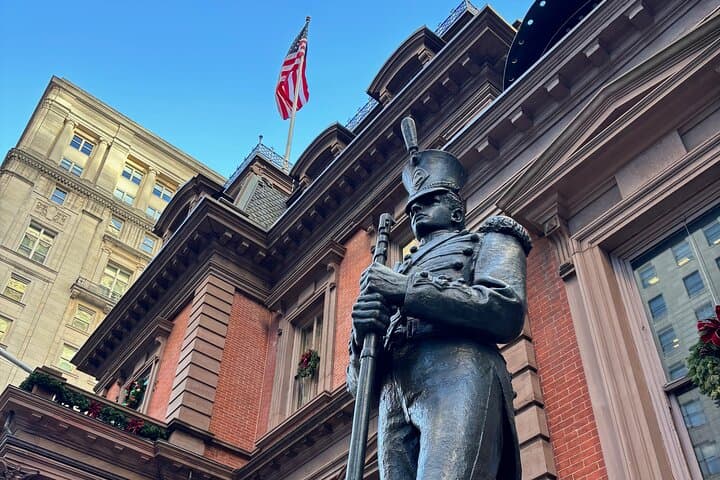
Civic culture and wartime finance feature heavily: the Union League’s moneyed power, Sanitary Fair fundraising, and Philadelphia’s free Black community that raised troops and moral pressure for emancipation. Guides connect these local stories to national outcomes, using streets and buildings as evidence in the ‘what if’ of Lee’s imagined attack.
Practical guidance: expect mainly flat sidewalks and a steady urban pace over roughly two miles; comfortable walking shoes and layered clothing are sensible. The tour is wheelchair- and stroller-accessible and capped at 12 people for an intimate experience. Plan to arrive 10 minutes early, bring transit fare or a rideshare plan, and budget an extra 20–30 minutes afterward to explore Independence National Historical Park. For history lovers, this is a focused, accessible way to read Civil War logistics on the city itself.
easy.
2 hours.
Suitable for most fitness levels; participants should be able to walk on paved sidewalks for roughly two miles with occasional standing.
No — this tour offers exterior visits and interpretive stops around Independence Hall; separate admission is required to enter the building itself.
Yes — sidewalks and the stated meeting point are wheelchair accessible; the tour description notes stroller and wheelchair access.
Groups are capped at 12 participants for a more personalized experience with the guide.
Contact the operator in advance if possible; the meeting point is the Gen. McClellan statue on the north side of City Hall and guides typically wait a few minutes before starting.
Philadelphia’s industrial and rail infrastructure made it a logistical linchpin during the Civil War; civic fundraising and Black community organization played key roles in supplying and staffing Union efforts.
Historic District rules protect façades and public spaces; remain on designated paths and respect memorial sites to minimize wear and preserve context for future visitors.
Philly's Hidden History Vault operates guided outdoor trips and adventures with an emphasis on safety, stewardship, and memorable experiences.
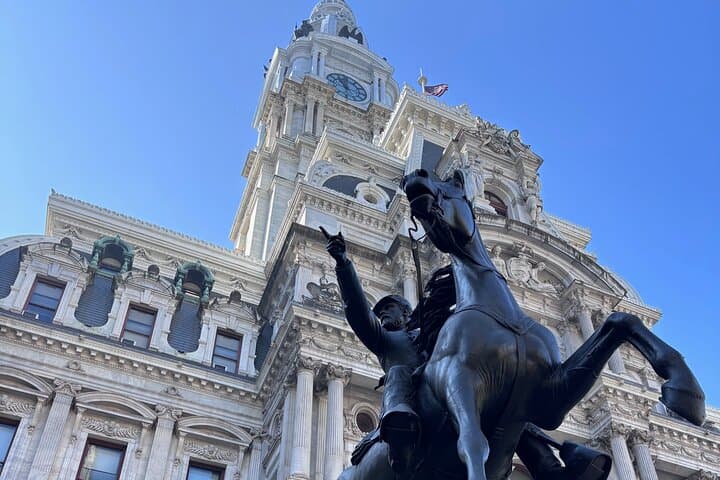
A late-morning sun cuts across Broad Street as the group gathers beneath the bronze figure of Gen. George B. McClellan on the north side of City Hall. The pavement hums with commuter footsteps while your guide reimagines 1863: supply lines, regiment movements, and a Confederate commander weighing the city’s defenses.
A late-morning sun cuts across Broad Street as the group gathers beneath the bronze figure of Gen. George B. McClellan on the north side of City Hall. The pavement hums with commuter footsteps while your guide reimagines 1863: supply lines, regiment movements, and a Confederate commander weighing the city’s defenses.
This two-hour, small-group walk threads together Independence Hall, Washington Square, and lesser-known stops like the Physic Garden and Little Club Row. The route explores urban geology—Philadelphia sits near the Fall Line where upland Piedmont gives way to the river plain—and how that landscape shaped rail yards, hospitals, and supply depots that made the city a Civil War hub.
Civic culture and wartime finance feature heavily: the Union League’s moneyed power, Sanitary Fair fundraising, and Philadelphia’s free Black community that raised troops and moral pressure for emancipation. Guides connect these local stories to national outcomes, using streets and buildings as evidence in the ‘what if’ of Lee’s imagined attack.
Practical guidance: expect mainly flat sidewalks and a steady urban pace over roughly two miles; comfortable walking shoes and layered clothing are sensible. The tour is wheelchair- and stroller-accessible and capped at 12 people for an intimate experience. Plan to arrive 10 minutes early, bring transit fare or a rideshare plan, and budget an extra 20–30 minutes afterward to explore Independence National Historical Park. For history lovers, this is a focused, accessible way to read Civil War logistics on the city itself.