THE ADVENTURE COLLECTIVE® · Independent discovery and booking for outdoor travel

Cover Dublin’s essentials in two hours: Christ Church Cathedral, Dublin Castle, Temple Bar, Trinity College and St. Stephen’s Green. This private walking tour pairs local history with practical route pacing for first-time visitors.
Cover Dublin’s essentials in two hours: Christ Church Cathedral, Dublin Castle, Temple Bar, Trinity College and St. Stephen’s Green. This private walking tour pairs local history with practical route pacing for first-time visitors.
You step out of Christ Church’s shadow and the city seems to rearrange itself around the River Liffey — cobblestones, Georgian doors, the pulse of buskers on Grafton Street. In two hours a local guide threads you through that pulse, moving from a Viking-era cathedral to the green calm of St. Stephen’s Green, with Temple Bar’s color and Trinity College’s stonework punctuating the walk.
Verified experiences and guided adventures in the surrounding area.
Operated by Opatrip.com Ireland · Dublin, County Dublin
You step out of Christ Church’s shadow and the city seems to rearrange itself around the River Liffey — cobblestones, Georgian doors, the pulse of buskers on Grafton Street. In two hours a local guide threads you through that pulse, moving from a Viking-era cathedral to the green calm of St. Stephen’s Green, with Temple Bar’s color and Trinity College’s stonework punctuating the walk.
Dublin’s urban fabric is layered: Viking settlements gave way to Norman castles; Georgian merchants stamped wide streets and red-brick terraces. The castle built in 1204 anchors the story, Trinity College speaks to sixteenth-century scholarship, and Temple Bar evolved from a market quarter to an arts and nightlife district. The city’s geology is subtle — low-lying, glacial-clipped limestone and silt that guided settlement along the Liffey — but the cultural landscape is loud: spoken-word, folk songs, and pub history are as much part of the route as the buildings.
Expect pavement underfoot, frequent stops for commentary and photos, and manageable short bursts of walking between points of interest. The tour is private and accessible to most fitness levels; wear supportive shoes, carry a waterproof layer, and bring a charged phone for photos. Aim for morning or late afternoon light for the best photos and lighter crowds. Ask your guide about less-visited spots like Marsh’s Library and the medieval undercrofts beneath Christchurch — small detours that reveal quieter chapters of Dublin’s past. In short: this is an efficient, sensory‑rich primer on Dublin that prepares you for deeper exploration.
easy.
2 hours.
Suitable for most fitness levels; requires standing and walking short distances at a moderate pace.
The tour runs about two hours and covers roughly 2–3 kilometers, moving at a relaxed pace with several short stops.
This walking tour focuses on exterior viewpoints and commentary; admissions like the Book of Kells at Trinity are not included.
Yes — the pace is gentle and routes avoid steep climbs, but let the operator know of mobility needs when booking.
Full refund if cancelled at least 24 hours before the start time; check your booking confirmation for details.
Dublin grew from a Viking settlement on the Liffey into a Norman stronghold and later a wealthy Georgian city; many street layouts and public buildings reflect that layered history.
Respect heritage sites by keeping to paved paths, avoiding graffiti, and supporting local businesses; carry out trash and minimize noise in parks and historic interiors.
Opatrip.com Ireland operates guided outdoor trips and adventures with an emphasis on safety, stewardship, and memorable experiences.
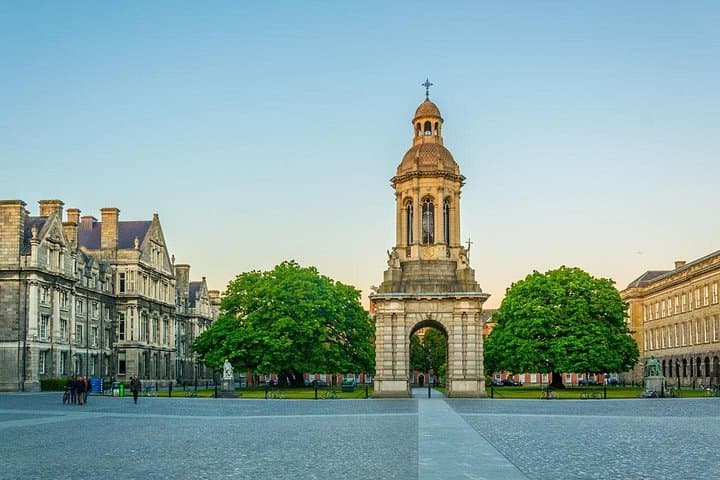

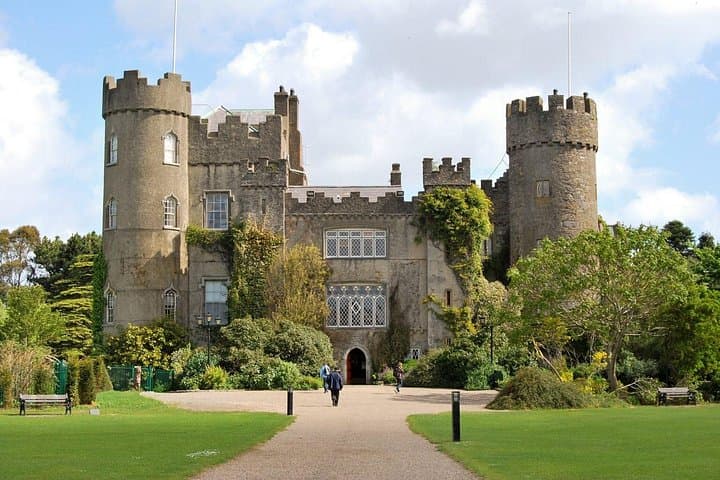
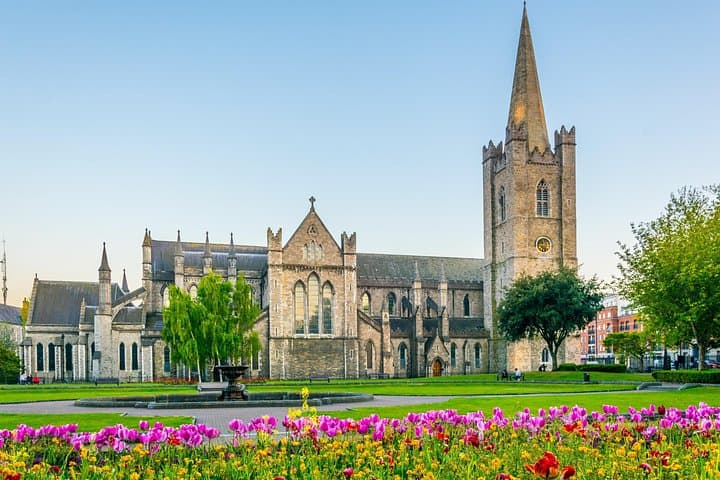
You step out of Christ Church’s shadow and the city seems to rearrange itself around the River Liffey — cobblestones, Georgian doors, the pulse of buskers on Grafton Street. In two hours a local guide threads you through that pulse, moving from a Viking-era cathedral to the green calm of St. Stephen’s Green, with Temple Bar’s color and Trinity College’s stonework punctuating the walk.
You step out of Christ Church’s shadow and the city seems to rearrange itself around the River Liffey — cobblestones, Georgian doors, the pulse of buskers on Grafton Street. In two hours a local guide threads you through that pulse, moving from a Viking-era cathedral to the green calm of St. Stephen’s Green, with Temple Bar’s color and Trinity College’s stonework punctuating the walk.
Dublin’s urban fabric is layered: Viking settlements gave way to Norman castles; Georgian merchants stamped wide streets and red-brick terraces. The castle built in 1204 anchors the story, Trinity College speaks to sixteenth-century scholarship, and Temple Bar evolved from a market quarter to an arts and nightlife district. The city’s geology is subtle — low-lying, glacial-clipped limestone and silt that guided settlement along the Liffey — but the cultural landscape is loud: spoken-word, folk songs, and pub history are as much part of the route as the buildings.
Expect pavement underfoot, frequent stops for commentary and photos, and manageable short bursts of walking between points of interest. The tour is private and accessible to most fitness levels; wear supportive shoes, carry a waterproof layer, and bring a charged phone for photos. Aim for morning or late afternoon light for the best photos and lighter crowds. Ask your guide about less-visited spots like Marsh’s Library and the medieval undercrofts beneath Christchurch — small detours that reveal quieter chapters of Dublin’s past. In short: this is an efficient, sensory‑rich primer on Dublin that prepares you for deeper exploration.