THE ADVENTURE COLLECTIVE® · Independent discovery and booking for outdoor travel

Trace Sri Lanka’s gemstone trail from Kandy’s market stalls to Ratnapura’s alluvial beds and Beruwala’s coastal dealers. This full‑day tour blends geology, living craft and practical market know‑how for first‑time buyers.
Trace Sri Lanka’s gemstone trail from Kandy’s market stalls to Ratnapura’s alluvial beds and Beruwala’s coastal dealers. This full‑day tour blends geology, living craft and practical market know‑how for first‑time buyers.
You arrive before the heat builds: tuk‑tuks hum, traders sweep market floors and light from low awnings catches faceted flashes of blue, red and green. The tour moves inland to Kandy’s gem stalls, follows the muddy tracks that feed Ratnapura’s river‑cut mines, then drops west to Beruwala’s coastal dealers — a day that reads like a map of Sri Lanka’s gem economy.
Verified experiences and guided adventures in the surrounding area.
Operated by Train Journeys in Sri Lanka · Kandy, Central Province
You arrive before the heat builds: tuk‑tuks hum, traders sweep market floors and light from low awnings catches faceted flashes of blue, red and green. The tour moves inland to Kandy’s gem stalls, follows the muddy tracks that feed Ratnapura’s river‑cut mines, then drops west to Beruwala’s coastal dealers — a day that reads like a map of Sri Lanka’s gem economy.
Gems here are geological stories made visible. Meteoric pressures in the island’s highlands formed corundum (sapphire, ruby) and spinel; monsoon rivers exposed and transported stones to alluvial beds that gave Ratnapura its name — “City of Gems.” Culturally, gems have been traded on the island for millennia, woven into local jewellery traditions and export networks that reached the Roman world and beyond.
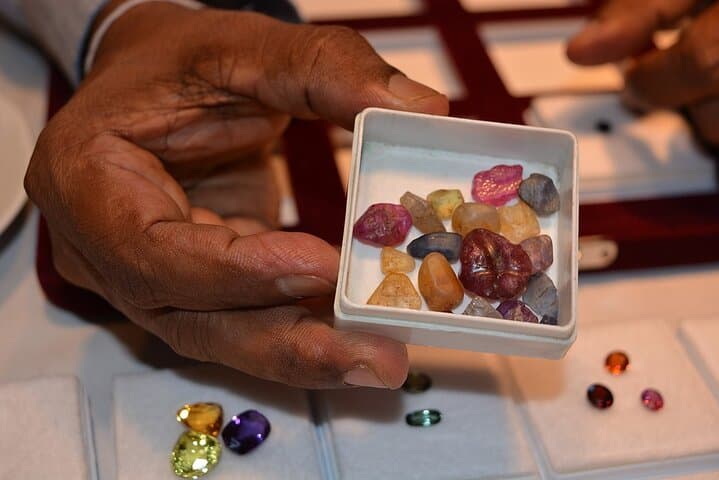
Expect close, informed encounters rather than guided geology lessons: lapidaries polishing stones at benches, dealers showing rough and cut pieces, and opportunities to visit small workshops. The pace is observational — watch how light reveals clarity and color; listen as miners describe seasonal water flows that push new sediments downstream.
Practical guidance: start early to avoid midday crowds and secure hotel pickup from Colombo. Carry small denominations of local currency for market purchases and a translator app for bargaining. Wear comfortable, closed shoes for uneven market floors and bring a camera with neutral white balance to judge color. Stay aware of provenance — ask about mine origin and request certifications for higher‑value pieces. Hydrate between stops; the route is long (11–12 hours) but low‑impact physically, and the day rewards patience with memorable craftsmanship and geological insights.
easy.
11–12 hours.
Minimal fitness required — participants should be comfortable sitting in a vehicle for sustained periods and walking on uneven market surfaces.
The tour runs about 11–12 hours, typically visiting Kandy’s gem market first, then Ratnapura and finishing in Beruwala before returning to Colombo.
Yes — the tour includes pickup and drop‑off around Colombo; confirm your pickup point when booking.
Market visits and private transport are included; entry to formal mine sites or museums may not be and should be confirmed in advance.
Some reputable dealers provide documentation; for high‑value purchases ask ahead and request written provenance or third‑party appraisal.
Ratnapura’s name literally means “City of Gems” and the region has been a gem‑trading center for centuries, supplying corundum and other gemstones to ancient trade networks.
Small‑scale alluvial mining can cause erosion and water turbidity; look for dealers who follow local regulations and ask about ethical sourcing to support sustainable practices.
Train Journeys in Sri Lanka operates guided outdoor trips and adventures with an emphasis on safety, stewardship, and memorable experiences.
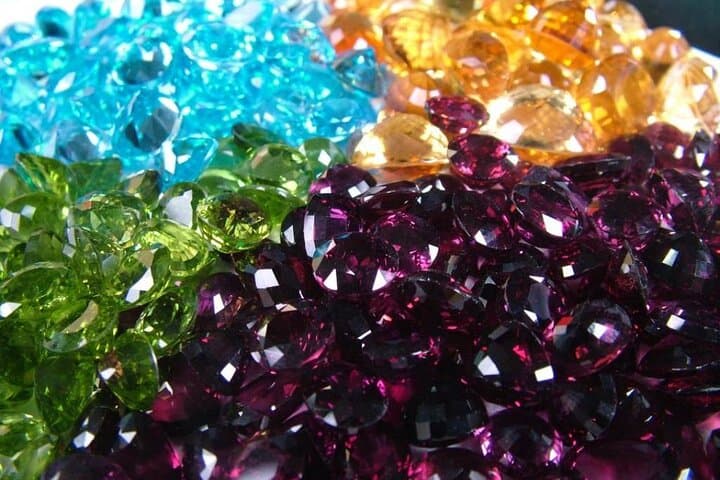
You arrive before the heat builds: tuk‑tuks hum, traders sweep market floors and light from low awnings catches faceted flashes of blue, red and green. The tour moves inland to Kandy’s gem stalls, follows the muddy tracks that feed Ratnapura’s river‑cut mines, then drops west to Beruwala’s coastal dealers — a day that reads like a map of Sri Lanka’s gem economy.
You arrive before the heat builds: tuk‑tuks hum, traders sweep market floors and light from low awnings catches faceted flashes of blue, red and green. The tour moves inland to Kandy’s gem stalls, follows the muddy tracks that feed Ratnapura’s river‑cut mines, then drops west to Beruwala’s coastal dealers — a day that reads like a map of Sri Lanka’s gem economy.
Gems here are geological stories made visible. Meteoric pressures in the island’s highlands formed corundum (sapphire, ruby) and spinel; monsoon rivers exposed and transported stones to alluvial beds that gave Ratnapura its name — “City of Gems.” Culturally, gems have been traded on the island for millennia, woven into local jewellery traditions and export networks that reached the Roman world and beyond.
Expect close, informed encounters rather than guided geology lessons: lapidaries polishing stones at benches, dealers showing rough and cut pieces, and opportunities to visit small workshops. The pace is observational — watch how light reveals clarity and color; listen as miners describe seasonal water flows that push new sediments downstream.
Practical guidance: start early to avoid midday crowds and secure hotel pickup from Colombo. Carry small denominations of local currency for market purchases and a translator app for bargaining. Wear comfortable, closed shoes for uneven market floors and bring a camera with neutral white balance to judge color. Stay aware of provenance — ask about mine origin and request certifications for higher‑value pieces. Hydrate between stops; the route is long (11–12 hours) but low‑impact physically, and the day rewards patience with memorable craftsmanship and geological insights.