THE ADVENTURE COLLECTIVE® · Independent discovery and booking for outdoor travel

A full-day shared bus tour from Hellesylt to Geiranger that hits Hornindal Lake, Jostedalsbreen Nasjonalparksenter, Djupvatn and the Dalsnibba viewpoint. Expect dramatic fjord views, glacier context and timed photo stops suited for cruise passengers.
A full-day shared bus tour from Hellesylt to Geiranger that hits Hornindal Lake, Jostedalsbreen Nasjonalparksenter, Djupvatn and the Dalsnibba viewpoint. Expect dramatic fjord views, glacier context and timed photo stops suited for cruise passengers.
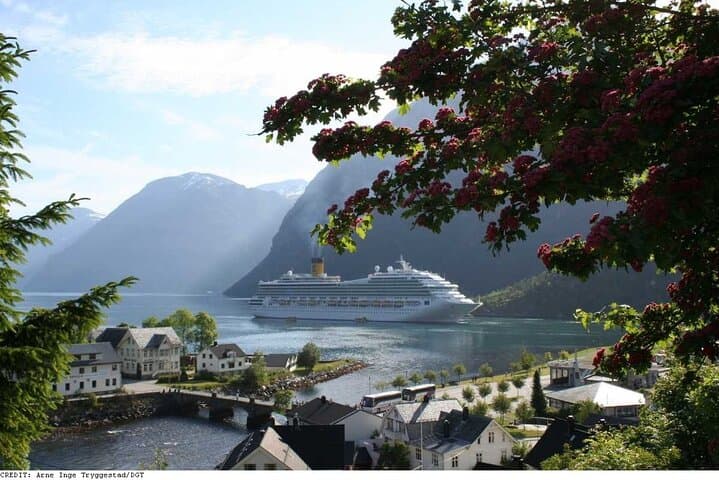
The bus eases away from the small quay at Hellesylt and a ribbon of mountain road unspools ahead — waterfalls lean toward the carriageway as if daring you to blink. Over the first ridge, the glass-dark cut of Hornindal Lake appears, then the shoulder of Oppstryn and the glacier stories written into the valley.
Verified experiences and guided adventures in the surrounding area.
Operated by Excursions.no · Hellesylt, Møre og Romsdal
The bus eases away from the small quay at Hellesylt and a ribbon of mountain road unspools ahead — waterfalls lean toward the carriageway as if daring you to blink. Over the first ridge, the glass-dark cut of Hornindal Lake appears, then the shoulder of Oppstryn and the glacier stories written into the valley.
This full-day shared excursion threads Norway’s western highlands and fjord-edge lowlands. Geologically, the route follows terrain sculpted by repeated ice ages: U-shaped valleys, moraine-scoured lakes and deep basins like Hornindal (measured at 514 m). Jostedalsbreen Nasjonalparksenter stops the bus for a brief lesson in glacier dynamics; locals once ran summer farmsteads (seter) on the slopes you’ll pass. Culture here still orients around fishing, small-village trade and seasonal tourism tied to cruise schedules.
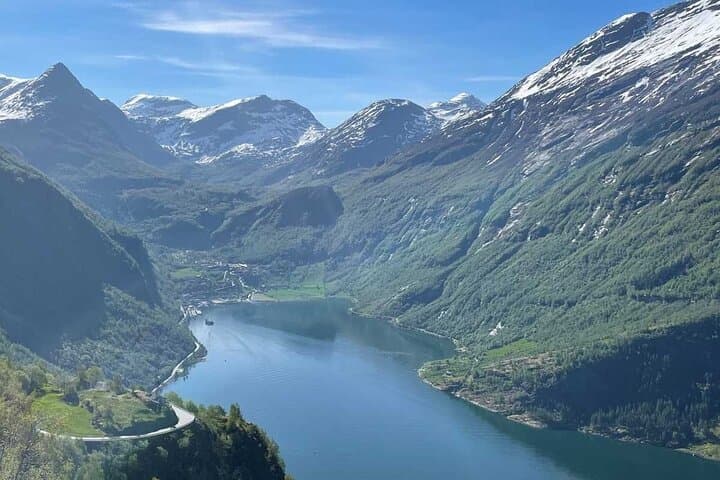
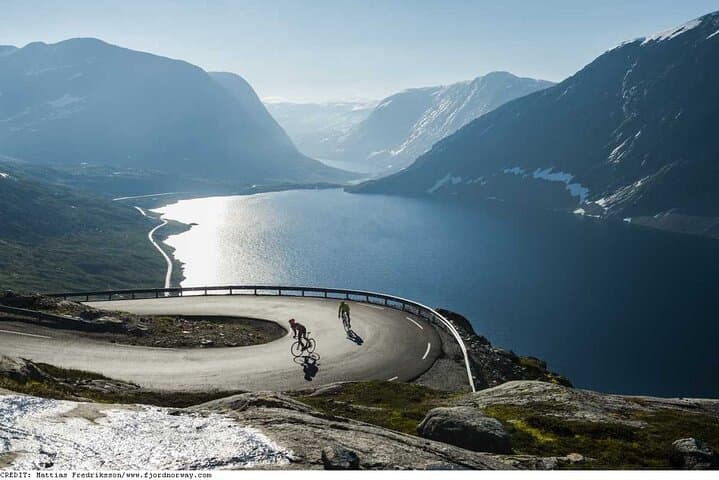
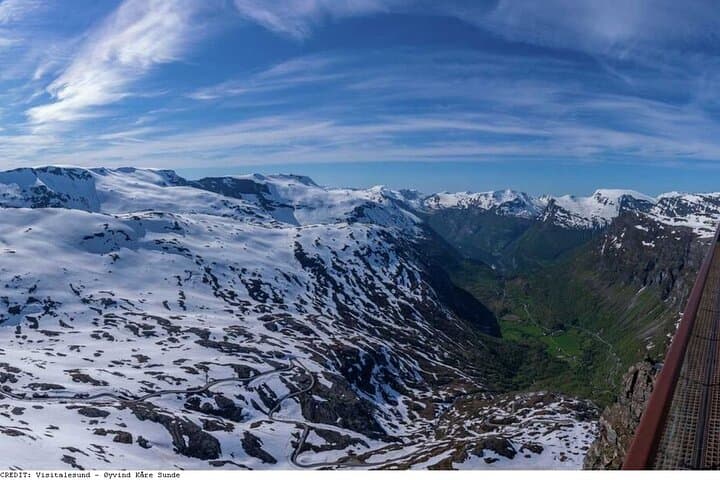
Two standouts set the itinerary: Djupvatn, an alpine lake often ringed with late-season ice, and Dalsnibba, a 1,500 m road-access viewpoint that frames Geiranger village, the Eagle Bend and tiered waterfalls. The guide times photo stops and short interpretive breaks; public facilities and short walks are limited but available at scheduled rests.
Practical edge: dress in windproof layers and expect rapid weather shifts above 1,000 m. If you’re on a cruise, register your ship details so the operator can guarantee return time. Bring meds for motion sensitivity, a charged camera and respect seasonal closures — Dalsnibba can be swapped for alternate highlights in poor weather. The trip is accessible to most travelers and offers concentrated exposure to Norway’s carved landscapes without extensive hiking.
easy.
7–8 hours.
Minimal fitness required; primarily seated travel with short, gentle walks at photo stops.
The tour runs about 7–8 hours; the operator coordinates schedules with cruise arrivals and requires ship details at booking to provide a back-to-ship guarantee.
Dalsnibba is a scheduled highlight, but poor weather can lead to a substitution for a lower-elevation viewpoint or other Geiranger-area stop for safety reasons.
Yes — the tour includes short rest stops with basic facilities and a longer break in Stryn where you can get refreshments; plan to bring snacks if you prefer specific dietary items.
The tour is physically easy with limited walking, but it’s not suitable for people with serious spinal or cardiovascular conditions; contact the operator about accessibility details.
The Geiranger valley was shaped by Norse and later farming communities; seasonal mountain farms (seter) and small fishing hamlets have persisted alongside modern tourism.
This region is sensitive: alpine vegetation and bird nesting sites recover slowly from trampling. Stick to marked areas, avoid disturbing wildlife and follow park guidance at the nationalpark center.
Excursions.no operates guided outdoor trips and adventures with an emphasis on safety, stewardship, and memorable experiences.
The bus eases away from the small quay at Hellesylt and a ribbon of mountain road unspools ahead — waterfalls lean toward the carriageway as if daring you to blink. Over the first ridge, the glass-dark cut of Hornindal Lake appears, then the shoulder of Oppstryn and the glacier stories written into the valley.
The bus eases away from the small quay at Hellesylt and a ribbon of mountain road unspools ahead — waterfalls lean toward the carriageway as if daring you to blink. Over the first ridge, the glass-dark cut of Hornindal Lake appears, then the shoulder of Oppstryn and the glacier stories written into the valley.
This full-day shared excursion threads Norway’s western highlands and fjord-edge lowlands. Geologically, the route follows terrain sculpted by repeated ice ages: U-shaped valleys, moraine-scoured lakes and deep basins like Hornindal (measured at 514 m). Jostedalsbreen Nasjonalparksenter stops the bus for a brief lesson in glacier dynamics; locals once ran summer farmsteads (seter) on the slopes you’ll pass. Culture here still orients around fishing, small-village trade and seasonal tourism tied to cruise schedules.
Two standouts set the itinerary: Djupvatn, an alpine lake often ringed with late-season ice, and Dalsnibba, a 1,500 m road-access viewpoint that frames Geiranger village, the Eagle Bend and tiered waterfalls. The guide times photo stops and short interpretive breaks; public facilities and short walks are limited but available at scheduled rests.
Practical edge: dress in windproof layers and expect rapid weather shifts above 1,000 m. If you’re on a cruise, register your ship details so the operator can guarantee return time. Bring meds for motion sensitivity, a charged camera and respect seasonal closures — Dalsnibba can be swapped for alternate highlights in poor weather. The trip is accessible to most travelers and offers concentrated exposure to Norway’s carved landscapes without extensive hiking.