THE ADVENTURE COLLECTIVE® · Independent discovery and booking for outdoor travel

A three-hour scenic circuit that climbs from the fjord to 1,500 m, stopping at Flydalsjuvet, Djupvatnet, Dalsnibba Skywalk and Eagle Bend. Ideal for cruise passengers and day-trippers who want dramatic views without a long hike.
A three-hour scenic circuit that climbs from the fjord to 1,500 m, stopping at Flydalsjuvet, Djupvatnet, Dalsnibba Skywalk and Eagle Bend. Ideal for cruise passengers and day-trippers who want dramatic views without a long hike.
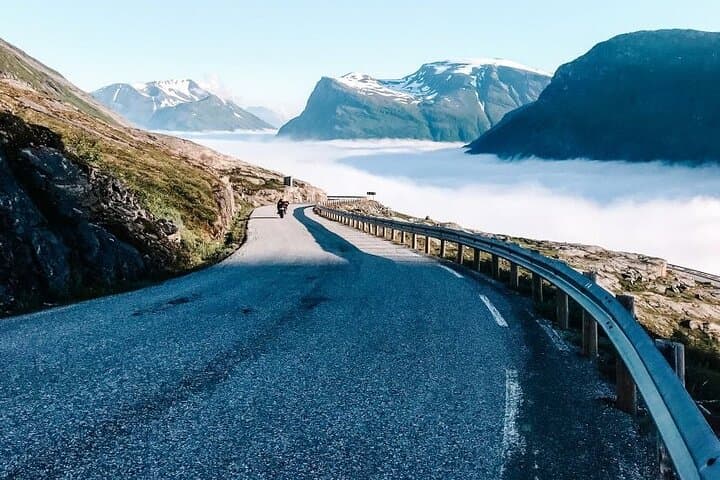
The bus peels away from the pier and the village of Geiranger shrinks into a ribbon of roofs below. Curtains of water pour from rock faces; the fjord sits like a polished dark blade between cliffs. As the coach threads the hairpin turns of Eagle Road, the landscape begins to pull upward—each bend widens the view until the famous Seven Sisters waterfall drops into sight, daring you to look away.
Verified experiences and guided adventures in the surrounding area.
Operated by Excursions.no · Geiranger, Møre og Romsdal
The bus peels away from the pier and the village of Geiranger shrinks into a ribbon of roofs below. Curtains of water pour from rock faces; the fjord sits like a polished dark blade between cliffs. As the coach threads the hairpin turns of Eagle Road, the landscape begins to pull upward—each bend widens the view until the famous Seven Sisters waterfall drops into sight, daring you to look away.
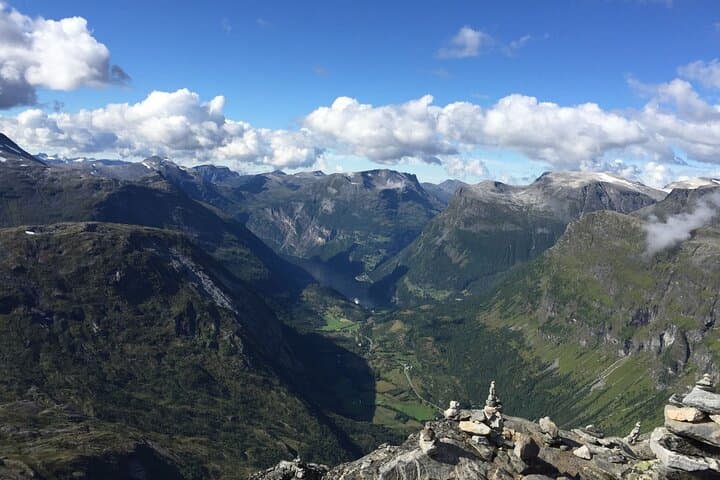
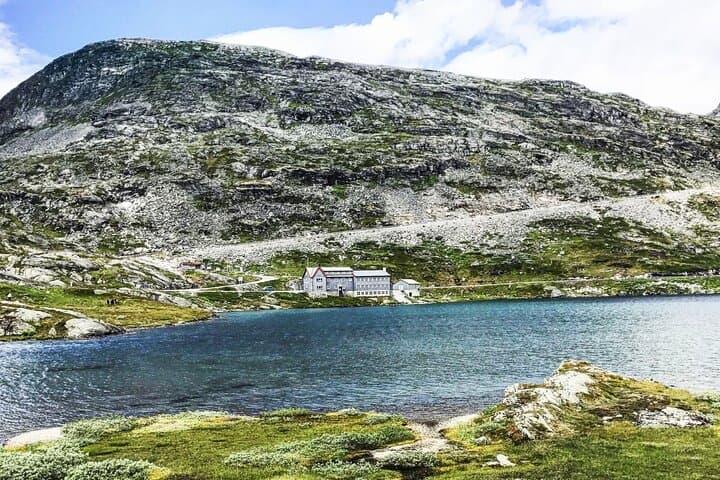
This three-hour loop is part scenic drive, part geology primer and part living postcard. The route stitches together four high points: Flydalsjuvet, where photographers stake out the classic panorama of the fjord; Djupvatnet, a high-mountain lake ringed by alpine scree at roughly 1,000–1,033 m; the Dalsnibba Skywalk at approximately 1,500 m above sea level; and the serpentine Eagle Bend with its cinematic view back toward Geiranger village.
The region is a UNESCO World Heritage site because of its dramatic fjord-carved relief—ice-age glaciers gouged deep troughs that later flooded with seawater, creating sheer cliffs and hanging valleys that feed the waterfalls. Human history here is a story of adaptation: isolated farms clinging to steep slopes, small boat communities, and more recently, the pivot to tourism that brings cruise ships and day-trippers to the fjord.
Culturally, guides on the tour often weave in local lore about mountain farms and the old summer dairy routes, and point out how the Seven Sisters waterfall got its name. Geology and hydrology dominate the conversation: how snowmelt sustains curtains of water into late summer and why light changes make the fjord appear to breathe.
Practicalities matter: the tour lasts about 3–3.5 hours and includes short photo stops rather than long hikes, so it’s accessible to most fitness levels. Temperatures at Dalsnibba can be 10–15°C cooler than at sea level—pack layers and wind protection. Roads are steep and winding; anyone prone to motion sickness should plan accordingly. Guides run a "back-on-time" guarantee for cruise passengers and request that guests arrive 15 minutes early at the meeting point between the pier and the public bus stop.
For photographers, clear skies reward wide-angle vistas and deep-blue reflections at Djupvatnet; low clouds emphasize waterfalls. If weather closes the Dalsnibba access, the operator substitutes another highlight, but expect shifting plans in volatile mountain weather.
If you want to make the most of a short shore visit, bring a compact tripod, binoculars for bird and chamois spotting, and a charged phone for rapid sharing. This tour is less a climb than an ascent by road—an efficient way to take the fjord’s vertical drama into your camera and memory in a single, steady loop.
easy.
3–3.5 hours.
Suitable for most travelers; minimal walking required at stops
The excursion lasts approximately 180–210 minutes (3–3.5 hours) including photo stops.
Yes—there is a back-on-time guarantee if your cruise details are provided at booking and the tour returns to the port on schedule.
Dalsnibba access can be closed in poor weather or snow; the operator will substitute another highlight if needed.
Walking at each stop is short—mostly level paths to viewpoints—so it’s suitable for most fitness levels.
Restrooms are available at primary stops such as the visitor facilities near major viewpoints and at Djupvatnet souvenir shop.
Infants and small children can use strollers; full wheelchair access may be limited on some viewpoints and short uneven paths.
Geirangerfjord was formed by glacial carving and long-term sea-level rise; the area’s farms and summer dairy routes reflect centuries of highland agriculture.
Visitor numbers are managed seasonally and the UNESCO designation emphasizes protecting water quality and fragile alpine vegetation from trampling.
Excursions.no operates guided outdoor trips and adventures with an emphasis on safety, stewardship, and memorable experiences.
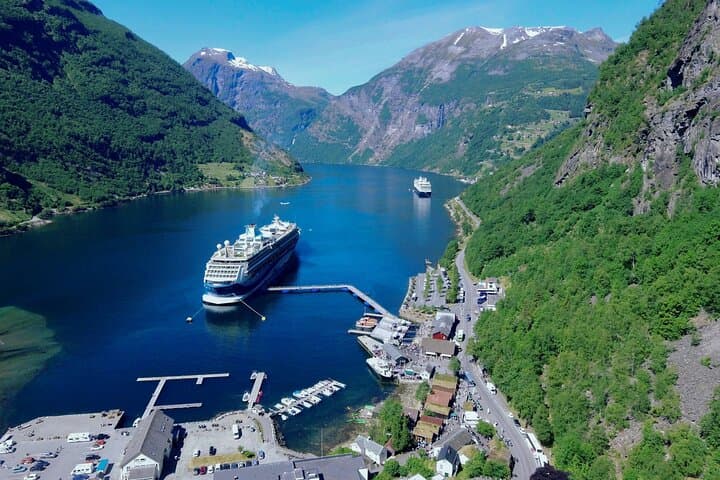
The bus peels away from the pier and the village of Geiranger shrinks into a ribbon of roofs below. Curtains of water pour from rock faces; the fjord sits like a polished dark blade between cliffs. As the coach threads the hairpin turns of Eagle Road, the landscape begins to pull upward—each bend widens the view until the famous Seven Sisters waterfall drops into sight, daring you to look away.
The bus peels away from the pier and the village of Geiranger shrinks into a ribbon of roofs below. Curtains of water pour from rock faces; the fjord sits like a polished dark blade between cliffs. As the coach threads the hairpin turns of Eagle Road, the landscape begins to pull upward—each bend widens the view until the famous Seven Sisters waterfall drops into sight, daring you to look away.
This three-hour loop is part scenic drive, part geology primer and part living postcard. The route stitches together four high points: Flydalsjuvet, where photographers stake out the classic panorama of the fjord; Djupvatnet, a high-mountain lake ringed by alpine scree at roughly 1,000–1,033 m; the Dalsnibba Skywalk at approximately 1,500 m above sea level; and the serpentine Eagle Bend with its cinematic view back toward Geiranger village.
The region is a UNESCO World Heritage site because of its dramatic fjord-carved relief—ice-age glaciers gouged deep troughs that later flooded with seawater, creating sheer cliffs and hanging valleys that feed the waterfalls. Human history here is a story of adaptation: isolated farms clinging to steep slopes, small boat communities, and more recently, the pivot to tourism that brings cruise ships and day-trippers to the fjord.
Culturally, guides on the tour often weave in local lore about mountain farms and the old summer dairy routes, and point out how the Seven Sisters waterfall got its name. Geology and hydrology dominate the conversation: how snowmelt sustains curtains of water into late summer and why light changes make the fjord appear to breathe.
Practicalities matter: the tour lasts about 3–3.5 hours and includes short photo stops rather than long hikes, so it’s accessible to most fitness levels. Temperatures at Dalsnibba can be 10–15°C cooler than at sea level—pack layers and wind protection. Roads are steep and winding; anyone prone to motion sickness should plan accordingly. Guides run a "back-on-time" guarantee for cruise passengers and request that guests arrive 15 minutes early at the meeting point between the pier and the public bus stop.
For photographers, clear skies reward wide-angle vistas and deep-blue reflections at Djupvatnet; low clouds emphasize waterfalls. If weather closes the Dalsnibba access, the operator substitutes another highlight, but expect shifting plans in volatile mountain weather.
If you want to make the most of a short shore visit, bring a compact tripod, binoculars for bird and chamois spotting, and a charged phone for rapid sharing. This tour is less a climb than an ascent by road—an efficient way to take the fjord’s vertical drama into your camera and memory in a single, steady loop.