THE ADVENTURE COLLECTIVE® · Independent discovery and booking for outdoor travel

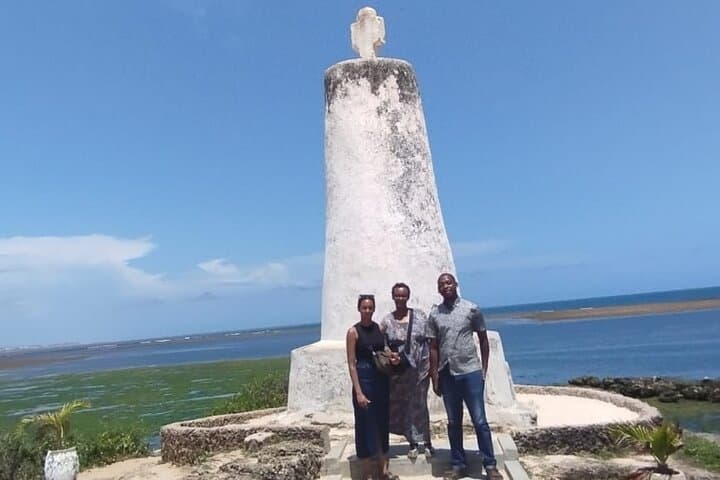
Walk coral streets where Swahili traders once lived, watch butterflies thread the forest, and stand on the bluff by Vasco da Gama’s pillar. This 6-hour Malindi tour pairs archaeology with coastal nature for a compact cultural adventure.
Walk coral streets where Swahili traders once lived, watch butterflies thread the forest, and stand on the bluff by Vasco da Gama’s pillar. This 6-hour Malindi tour pairs archaeology with coastal nature for a compact cultural adventure.
The tour begins on a sun-washed coastal road; salt air and the steady pulse of the Indian Ocean frame a drive toward an unexpected green pocket where coral walls rise like weathered pages of a city’s diary. Trees lean into the ruins, their roots like careful archivists keeping fragile stone in place.
Verified experiences and guided adventures in the surrounding area.
Operated by Unda Transfers and Excursions · Malindi, Kilifi County
The tour begins on a sun-washed coastal road; salt air and the steady pulse of the Indian Ocean frame a drive toward an unexpected green pocket where coral walls rise like weathered pages of a city’s diary. Trees lean into the ruins, their roots like careful archivists keeping fragile stone in place.
Gede was a thriving Swahili settlement between the 13th and 17th centuries, its coral-built houses and mosques reflecting trade links with Arab and Portuguese merchants. The Vasco da Gama Pillar and nearby Portuguese chapel point to early European contact; later layers of local life surface in market stalls and the small on-site museum. Geologically the ruins are coral rag—porous, warm stone shaped by tides and time—while surrounding coastal forest supports butterflies and monkeys that punctuate quiet alleys.
Your guide steers you through narrow courtyards and toward the Butterfly Pavilion and the Falconry, connecting natural history with human history. Expect close-up encounters with tropical birds, flashes of iridescent wings, and photo-friendly viewpoints over the ocean from the Malindi bluff.
Practical side: plan for a six-hour outing with moderate walking on packed-earth and roots—paths are not steep but can be uneven. Wear sturdy walking shoes, sun protection and bring at least 1–2 liters of water; mornings are cooler and best for wildlife viewing. Respect signage, don’t touch exposed masonry, and carry small change for the market and museum fees. The result is a compact, tangible lesson in coastal East African history paired with accessible wildlife viewing—an efficient half-day that feels like a small expedition.
easy.
6 hours.
Suitable for most fitness levels; requires the ability to walk on uneven ground for several hours.
Entrance fees for Gede Ruins and listed sites are included in the tour price per the itinerary details; confirm with your operator at booking.
The ruins have packed-earth paths and uneven surfaces; full accessibility is limited—contact the operator for specific assistance options.
Basic restrooms are available near the visitor center; bring snacks or plan a stop in Malindi town where there are more dining options.
Yes—physical demands are low and guides tailor the pace; supervise children around ruins and wildlife.
Gede was a prosperous Swahili settlement from roughly the 13th–17th centuries with coral-built homes and trade links across the Indian Ocean; Portuguese and Arab influences appear in later structures.
The site is protected by national authorities; visitors are asked to stay on paths, avoid touching exposed masonry, and support local conservation by using accredited guides.
Unda Transfers and Excursions operates guided outdoor trips and adventures with an emphasis on safety, stewardship, and memorable experiences.


The tour begins on a sun-washed coastal road; salt air and the steady pulse of the Indian Ocean frame a drive toward an unexpected green pocket where coral walls rise like weathered pages of a city’s diary. Trees lean into the ruins, their roots like careful archivists keeping fragile stone in place.
The tour begins on a sun-washed coastal road; salt air and the steady pulse of the Indian Ocean frame a drive toward an unexpected green pocket where coral walls rise like weathered pages of a city’s diary. Trees lean into the ruins, their roots like careful archivists keeping fragile stone in place.
Gede was a thriving Swahili settlement between the 13th and 17th centuries, its coral-built houses and mosques reflecting trade links with Arab and Portuguese merchants. The Vasco da Gama Pillar and nearby Portuguese chapel point to early European contact; later layers of local life surface in market stalls and the small on-site museum. Geologically the ruins are coral rag—porous, warm stone shaped by tides and time—while surrounding coastal forest supports butterflies and monkeys that punctuate quiet alleys.
Your guide steers you through narrow courtyards and toward the Butterfly Pavilion and the Falconry, connecting natural history with human history. Expect close-up encounters with tropical birds, flashes of iridescent wings, and photo-friendly viewpoints over the ocean from the Malindi bluff.
Practical side: plan for a six-hour outing with moderate walking on packed-earth and roots—paths are not steep but can be uneven. Wear sturdy walking shoes, sun protection and bring at least 1–2 liters of water; mornings are cooler and best for wildlife viewing. Respect signage, don’t touch exposed masonry, and carry small change for the market and museum fees. The result is a compact, tangible lesson in coastal East African history paired with accessible wildlife viewing—an efficient half-day that feels like a small expedition.