THE ADVENTURE COLLECTIVE® · Independent discovery and booking for outdoor travel

Glide the royal route in an electric golf cart and cover Gdańsk’s Old Town highlights in about an hour. This accessible, small-group tour mixes Hanseatic architecture, shipyard history and riverside views—ideal when you want big context on a short schedule.
Glide the royal route in an electric golf cart and cover Gdańsk’s Old Town highlights in about an hour. This accessible, small-group tour mixes Hanseatic architecture, shipyard history and riverside views—ideal when you want big context on a short schedule.
The electric cart hums, tires whispering over cobbles, and the Motława river leans in like a curious neighbor. In an hour you move through the royal route—Dluga Street’s painted facades slide past, the Neptune Fountain peeks between gabled roofs, and the air carries a hint of sea and amber from nearby stalls.
Verified experiences and guided adventures in the surrounding area.
Operated by City Tour GDANSK & Stadtrundfahrt DANZIG by Eco Sightseeing · Gdańsk, Pomeranian Voivodeship
The electric cart hums, tires whispering over cobbles, and the Motława river leans in like a curious neighbor. In an hour you move through the royal route—Dluga Street’s painted facades slide past, the Neptune Fountain peeks between gabled roofs, and the air carries a hint of sea and amber from nearby stalls.
Gdańsk is a port that grew rich on Hanseatic trade; its brick Gothic churches and granaries reflect centuries of trade, rebuilds and reinvention. You’ll pass the medieval port crane—the physical memory of shipbuilding—and see St. Mary’s Basilica rise as a red-brick claim on the skyline. Guides usually fold in 20th-century history too: the city’s central role in shipyard labor movements and post-war reconstruction.
The route is compact and curated: short stops at the Main Town Hall, Golden Gate, the old cranes, and a church with ties to the Solidarity era are standard. Tours are wheelchair-accessible and designed for small groups, so you get context without long walks.
Practical edge: book a morning slot to dodge crowds, ask in advance if you want inside access at churches, and leave room in your bag for amber purchases. Dress in layers—sea winds can be brisk even on warm days—and bring a charged phone for photos; narrow streets frame unusually cinematic shots. This is a low-effort, high-context way to soak Gdańsk’s history when time is tight but curiosity is not.
easy.
1–1.25 hours.
Suitable for all fitness levels; minimal walking required
The tour runs about 60–75 minutes and covers key Old Town sights with several short stops.
Yes—the electric vehicles and most stop locations are wheelchair-accessible; notify the operator when booking.
Some interior visits can be arranged if requested in advance; certain attractions may require separate admission.
Groups are limited—this tour typically carries up to 21 travelers for a more intimate experience.
Gdańsk grew as a major Hanseatic port; its brick Gothic architecture and riverfront granaries reflect centuries of maritime trade and post-war rebuilding.
Tour operators encourage small-group visits and accessible routes to reduce congestion in fragile historic streets; support local businesses that prioritize sustainable souvenirs.
City Tour GDANSK & Stadtrundfahrt DANZIG by Eco Sightseeing operates guided outdoor trips and adventures with an emphasis on safety, stewardship, and memorable experiences.

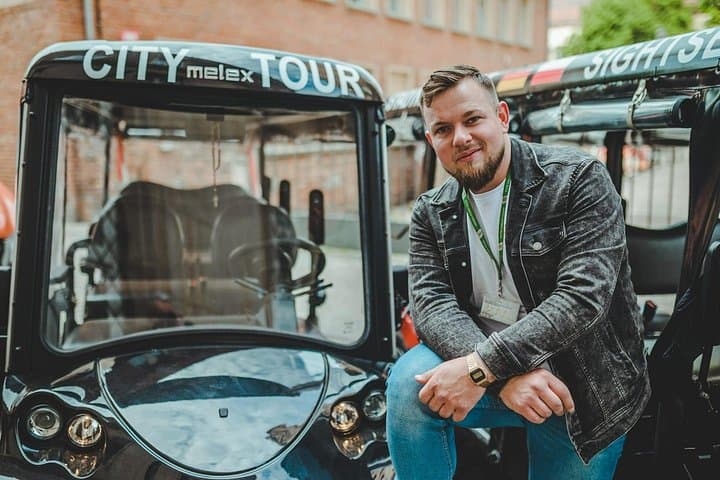

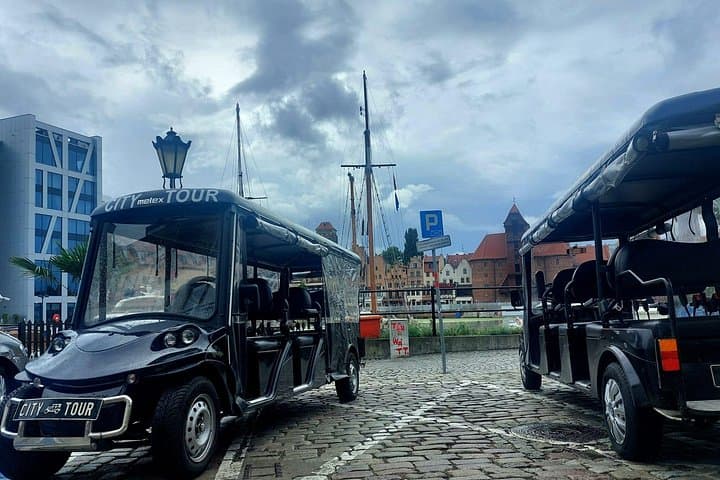
The electric cart hums, tires whispering over cobbles, and the Motława river leans in like a curious neighbor. In an hour you move through the royal route—Dluga Street’s painted facades slide past, the Neptune Fountain peeks between gabled roofs, and the air carries a hint of sea and amber from nearby stalls.
The electric cart hums, tires whispering over cobbles, and the Motława river leans in like a curious neighbor. In an hour you move through the royal route—Dluga Street’s painted facades slide past, the Neptune Fountain peeks between gabled roofs, and the air carries a hint of sea and amber from nearby stalls.
Gdańsk is a port that grew rich on Hanseatic trade; its brick Gothic churches and granaries reflect centuries of trade, rebuilds and reinvention. You’ll pass the medieval port crane—the physical memory of shipbuilding—and see St. Mary’s Basilica rise as a red-brick claim on the skyline. Guides usually fold in 20th-century history too: the city’s central role in shipyard labor movements and post-war reconstruction.
The route is compact and curated: short stops at the Main Town Hall, Golden Gate, the old cranes, and a church with ties to the Solidarity era are standard. Tours are wheelchair-accessible and designed for small groups, so you get context without long walks.
Practical edge: book a morning slot to dodge crowds, ask in advance if you want inside access at churches, and leave room in your bag for amber purchases. Dress in layers—sea winds can be brisk even on warm days—and bring a charged phone for photos; narrow streets frame unusually cinematic shots. This is a low-effort, high-context way to soak Gdańsk’s history when time is tight but curiosity is not.