THE ADVENTURE COLLECTIVE® · Independent discovery and booking for outdoor travel

See Gdańsk’s Long Market, Great Crane and Solidarity sites from an electric buggy in about 90 minutes. This private, wheelchair-accessible tour pairs local storytelling with short photo stops and a single included church visit.
See Gdańsk’s Long Market, Great Crane and Solidarity sites from an electric buggy in about 90 minutes. This private, wheelchair-accessible tour pairs local storytelling with short photo stops and a single included church visit.
The cart hums along the Motława River, glass and copper roofs glinting as gulls wheel overhead. You slide into a wide seat, the guide’s voice over the small roof promising stories of merchants, shipwrights and strikes — and the city moves past in a concentrated, friendly blur.
Verified experiences and guided adventures in the surrounding area.
Operated by Top City Tour Gdansk · Gdańsk, Pomeranian Voivodeship
The cart hums along the Motława River, glass and copper roofs glinting as gulls wheel overhead. You slide into a wide seat, the guide’s voice over the small roof promising stories of merchants, shipwrights and strikes — and the city moves past in a concentrated, friendly blur.
Gdańsk’s history is visible in its streets: Gothic church towers, Hanseatic merchant houses, and the Great Crane that once hauled sails and cannons. Geology is quieter here — the low, sandy coastline of the Baltic and the river channel shaped the port that made the city wealthy and contested. Culturally, Gdańsk carries both medieval tradecraft and 20th-century resistance; the Solidarity movement left visible marks around the shipyards and the churches you’ll pass.
This private, electric-cart tour covers top sights efficiently — Neptune Fountain, Long Market facades, the Great Mill and the amber altarpiece inside the Solidarity Church — with short stops for photos and a single included church visit. It’s accessible for people with mobility issues and customizable for pace and interests.
Practical guidance: book morning slots to avoid tour-bus crowds and bring a light layer for wind off the river; even in summer the cart’s protective film leaves you feeling exposed on narrow quays. Expect around 90 minutes of relaxed riding with frequent commentary and 6–10 short exterior stops; wear comfortable shoes for quick disembarks.
A city tour by electric cart is less about strenuous effort and more about context — it’s an efficient way to orient yourself, seed a walking plan for later, and hear local stories that don’t fit on plaques.
easy.
1.5–1.7 hours.
Suitable for all fitness levels; minimal walking required for short photo stops
The tour runs about 90–100 minutes and includes private electric cart transport, a live guide, bottled drink, short photo stops at major landmarks and an included visit to the Solidarity (Church of Saint Bridget) altarpiece.
Yes—vehicles and routes are wheelchair and stroller accessible; indicate any special requirements when booking to ensure appropriate seating and pickup.
Yes—guides can adapt emphasis and pacing within the scheduled time, though the route generally covers key central landmarks listed in the itinerary.
The operator may cancel for bad weather (full refund if canceled more than 24 hours prior); carts have protective film, but severe conditions can still lead to postponement.
Gdańsk grew as a Hanseatic port; its wealth shows in restored merchant houses, and it later became a focal point for the Solidarity movement that helped end communist rule in Poland.
Respect historic streets by staying on paved paths and avoiding climbing on monuments; riverfront cleanup efforts aim to reduce plastics in the Motława and protect urban wildlife.
Top City Tour Gdansk operates guided outdoor trips and adventures with an emphasis on safety, stewardship, and memorable experiences.
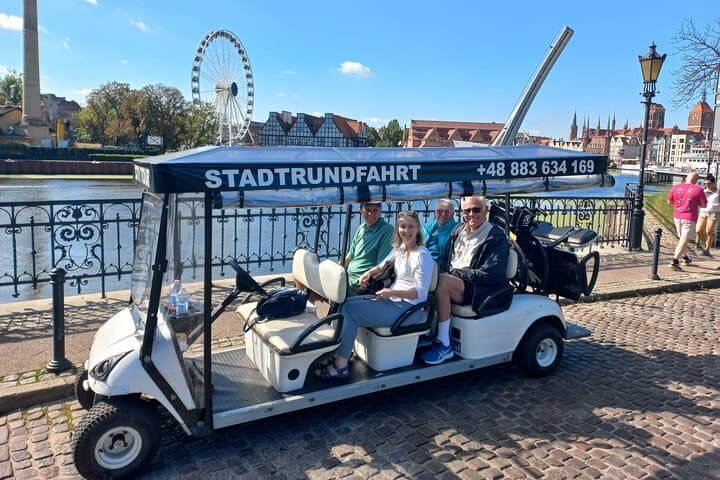
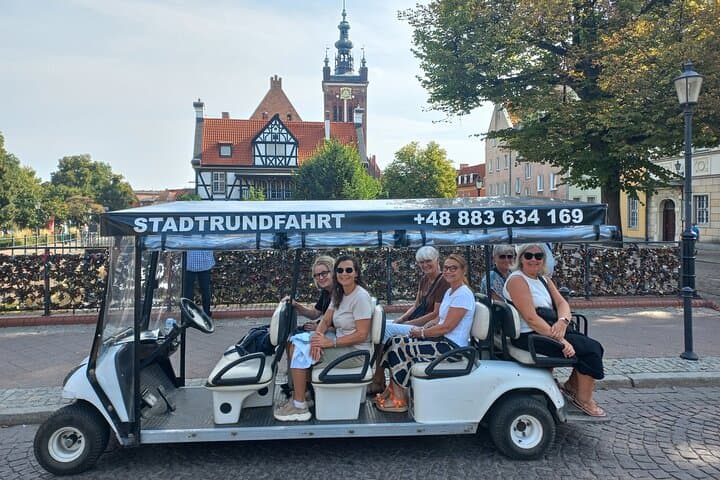
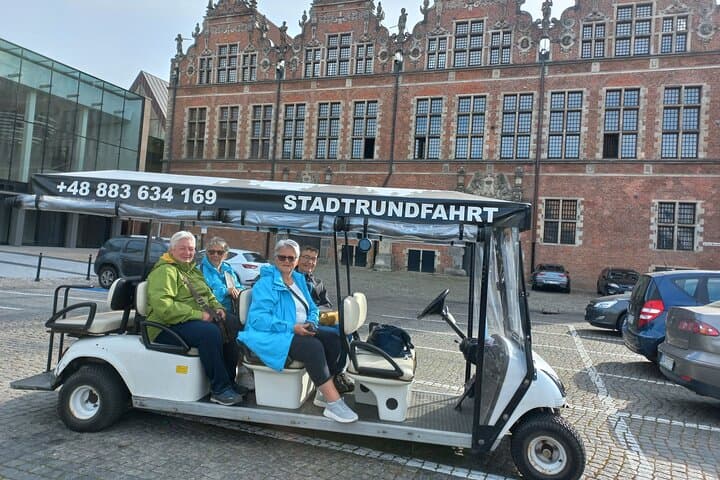
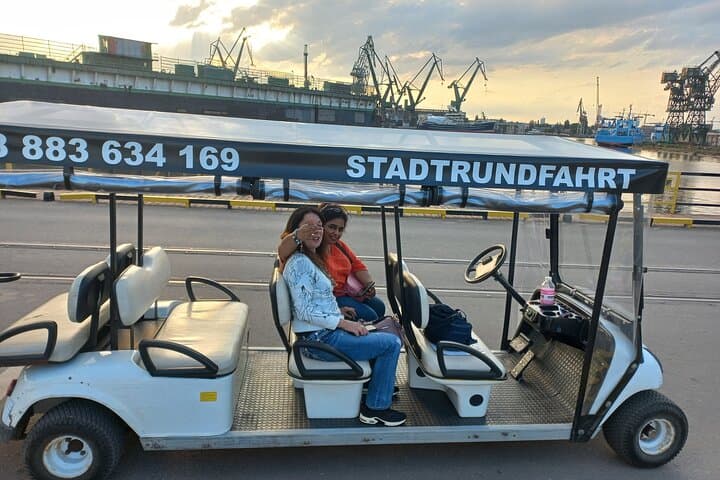
The cart hums along the Motława River, glass and copper roofs glinting as gulls wheel overhead. You slide into a wide seat, the guide’s voice over the small roof promising stories of merchants, shipwrights and strikes — and the city moves past in a concentrated, friendly blur.
The cart hums along the Motława River, glass and copper roofs glinting as gulls wheel overhead. You slide into a wide seat, the guide’s voice over the small roof promising stories of merchants, shipwrights and strikes — and the city moves past in a concentrated, friendly blur.
Gdańsk’s history is visible in its streets: Gothic church towers, Hanseatic merchant houses, and the Great Crane that once hauled sails and cannons. Geology is quieter here — the low, sandy coastline of the Baltic and the river channel shaped the port that made the city wealthy and contested. Culturally, Gdańsk carries both medieval tradecraft and 20th-century resistance; the Solidarity movement left visible marks around the shipyards and the churches you’ll pass.
This private, electric-cart tour covers top sights efficiently — Neptune Fountain, Long Market facades, the Great Mill and the amber altarpiece inside the Solidarity Church — with short stops for photos and a single included church visit. It’s accessible for people with mobility issues and customizable for pace and interests.
Practical guidance: book morning slots to avoid tour-bus crowds and bring a light layer for wind off the river; even in summer the cart’s protective film leaves you feeling exposed on narrow quays. Expect around 90 minutes of relaxed riding with frequent commentary and 6–10 short exterior stops; wear comfortable shoes for quick disembarks.
A city tour by electric cart is less about strenuous effort and more about context — it’s an efficient way to orient yourself, seed a walking plan for later, and hear local stories that don’t fit on plaques.