THE ADVENTURE COLLECTIVE® · Independent discovery and booking for outdoor travel

A full-day guided tour from Jerusalem that visits memorials, lookout points, and bomb shelters linked to the October 7 events. The itinerary balances historical context and survivor testimony with practical logistics—hotel pickup and air-conditioned transport.
A full-day guided tour from Jerusalem that visits memorials, lookout points, and bomb shelters linked to the October 7 events. The itinerary balances historical context and survivor testimony with practical logistics—hotel pickup and air-conditioned transport.
The bus leaves Jerusalem before dawn and the coastal plain unfolds—flat fields, scrub, and low fences marking a borderland where the wind moves like a messenger. By mid-morning you arrive at Sderot Police Station; the guide steps down and points to repairs and memorial plaques, and the group listens as places and faces are named.
Verified experiences and guided adventures in the surrounding area.
Operated by Bein Harim Ltd · Sderot, Southern District
The bus leaves Jerusalem before dawn and the coastal plain unfolds—flat fields, scrub, and low fences marking a borderland where the wind moves like a messenger. By mid-morning you arrive at Sderot Police Station; the guide steps down and points to repairs and memorial plaques, and the group listens as places and faces are named.
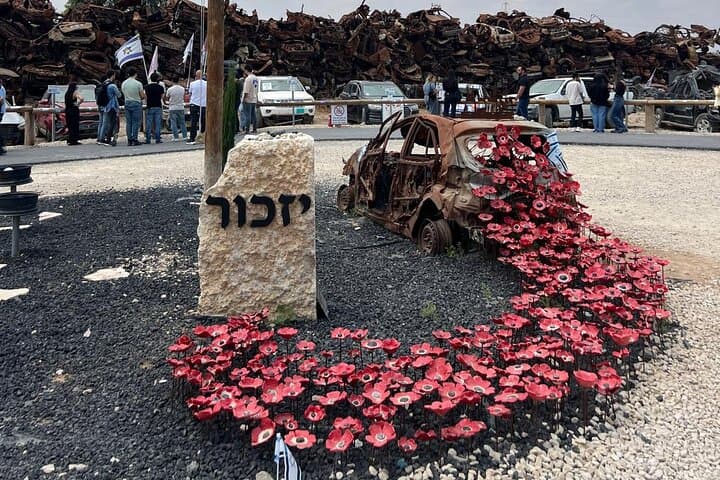
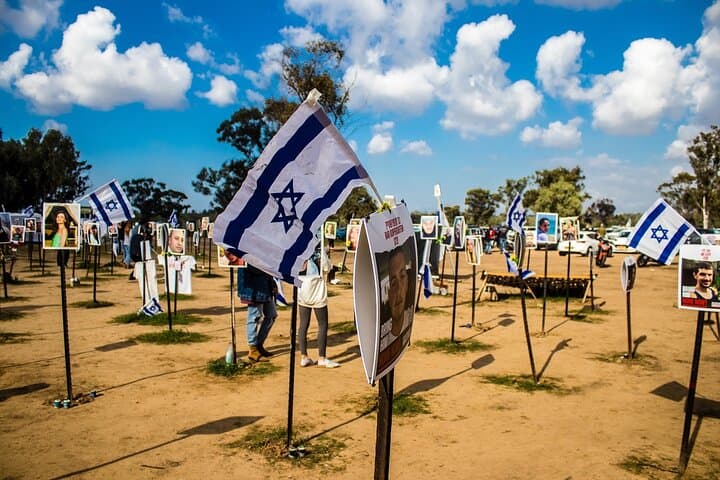
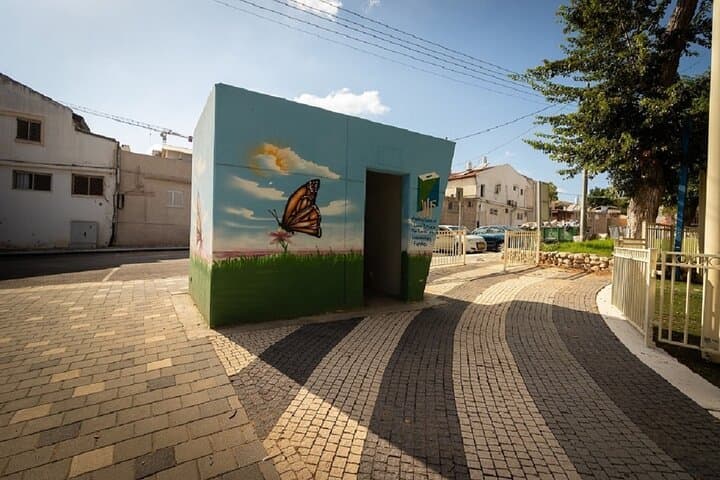
This full-day excursion moves through community sites tied to October 7th: Hostages Square in Tel Aviv, the Nova Festival victims memorial at Re'im, the car graveyard near Moshav Tkuma, Kobi Hill lookout, and a kibbutz and bomb shelter in Mefalsim where survivors share firsthand accounts. The route follows the southern coastal plain—alluvium and sandy loam overlaid with agricultural fields—so vistas are low and broad, making lookouts and roadside memorials visually prominent.
The area's history is recent and raw: decades of border tensions, civilian settlement patterns, and the traumatic events of October 7th are on view through memorials and community testimony. Cultural context is central; guides and residents frame resilience as daily practice—rebuilding, commemorating, and keeping memory alive.
Practically, this is an accessible, emotionally intense nine-hour tour. Expect respectful, guided visits rather than long walks—transport is by air-conditioned vehicle with hotel pickup from Jerusalem. Prepare for sun and wind, quiet at memorial sites, and candid survivor testimony. Bring water, a layer for gusty conditions, and patience for stops focused on listening more than sightseeing. The day is as much about bearing witness as it is about learning the local geography and history of a border region.
easy.
9 hours.
Suitable for most fitness levels; minimal walking and frequent vehicle transfers
Yes—hotel pickup and drop-off in Jerusalem are included; confirm your pickup point when booking.
No—the itinerary involves short walks and vehicle transfers; guests of most fitness levels can participate.
Photography is allowed in public spaces but be mindful and follow guide instructions—avoid photographing individuals in distress or private testimony without permission.
The tour is emotionally heavy: visits include survivor accounts and memorials. If you need accommodations, inform the operator ahead of time.
The Gaza Envelope is a modern border zone shaped by decades of community settlements and intermittent conflict; memorials here reflect very recent events from October 2023 onward.
Sites are fragile and often on private or community land—respect signage, avoid disturbing memorial plantings, and follow guide instructions to minimize impact.
Bein Harim Ltd operates guided outdoor trips and adventures with an emphasis on safety, stewardship, and memorable experiences.

The bus leaves Jerusalem before dawn and the coastal plain unfolds—flat fields, scrub, and low fences marking a borderland where the wind moves like a messenger. By mid-morning you arrive at Sderot Police Station; the guide steps down and points to repairs and memorial plaques, and the group listens as places and faces are named.
The bus leaves Jerusalem before dawn and the coastal plain unfolds—flat fields, scrub, and low fences marking a borderland where the wind moves like a messenger. By mid-morning you arrive at Sderot Police Station; the guide steps down and points to repairs and memorial plaques, and the group listens as places and faces are named.
This full-day excursion moves through community sites tied to October 7th: Hostages Square in Tel Aviv, the Nova Festival victims memorial at Re'im, the car graveyard near Moshav Tkuma, Kobi Hill lookout, and a kibbutz and bomb shelter in Mefalsim where survivors share firsthand accounts. The route follows the southern coastal plain—alluvium and sandy loam overlaid with agricultural fields—so vistas are low and broad, making lookouts and roadside memorials visually prominent.
The area's history is recent and raw: decades of border tensions, civilian settlement patterns, and the traumatic events of October 7th are on view through memorials and community testimony. Cultural context is central; guides and residents frame resilience as daily practice—rebuilding, commemorating, and keeping memory alive.
Practically, this is an accessible, emotionally intense nine-hour tour. Expect respectful, guided visits rather than long walks—transport is by air-conditioned vehicle with hotel pickup from Jerusalem. Prepare for sun and wind, quiet at memorial sites, and candid survivor testimony. Bring water, a layer for gusty conditions, and patience for stops focused on listening more than sightseeing. The day is as much about bearing witness as it is about learning the local geography and history of a border region.