THE ADVENTURE COLLECTIVE® · Independent discovery and booking for outdoor travel

Walk Paseig de Gràcia and visit three iconic Gaudí houses — Casa Batlló, Casa Milà (La Pedrera) and Casa Vicens — in a focused 2.5–3 hour tour. Expect fast-track options, guided commentary or audio guides, and the option for a celebratory glass of cava.
Walk Paseig de Gràcia and visit three iconic Gaudí houses — Casa Batlló, Casa Milà (La Pedrera) and Casa Vicens — in a focused 2.5–3 hour tour. Expect fast-track options, guided commentary or audio guides, and the option for a celebratory glass of cava.
You step off Passeig de Gràcia and the city rearranges itself around Gaudí: curved balconies, iridescent tile, chimneys that look like sculpted sentries against the sky. The tour threads three distinct chapters of his work — the marine palette and dragon spine of Casa Batlló, the wind-sculpted stone and rooftop chimneys of Casa Milà (La Pedrera), and the vibrant, tile-heavy early experiment that is Casa Vicens — with stops long enough to read the details.
Verified experiences and guided adventures in the surrounding area.
Operated by Vistra · Barcelona, Catalonia
You step off Passeig de Gràcia and the city rearranges itself around Gaudí: curved balconies, iridescent tile, chimneys that look like sculpted sentries against the sky. The tour threads three distinct chapters of his work — the marine palette and dragon spine of Casa Batlló, the wind-sculpted stone and rooftop chimneys of Casa Milà (La Pedrera), and the vibrant, tile-heavy early experiment that is Casa Vicens — with stops long enough to read the details.
Barcelona’s Modernisme movement grew from local industry, Mediterranean light, and a fascination with organic form; Gaudí fused masonry, ceramics and ironwork into buildings that act like living machines. Casa Batlló and Casa Milà are UNESCO-listed for good reason: their structural inventiveness and decorative craftsmanship mark a turning point in architectural history. Casa Vicens shows the Moorish, Oriental and neoclassical threads that informed Gaudí’s earliest vocabulary.
Practically, the shared tour lasts about 2.5–3 hours with guided or audio options, fast-track entry on selected tickets, and short on-foot transfers (Passeig de Gràcia is walkable between Batlló and Milà; Casa Vicens may require an independent transfer if that option is selected). Expect stairs, uneven historic flooring, and concentrated crowds at peak times; bring comfortable shoes, a refillable bottle and ID if travelling with children. Check the meeting time and cancellation window (full refund if you cancel 24 hours ahead). A glass of cava is offered with certain ticket options — a small, celebratory pause after several hours of seeing stone and sky through Gaudí’s eye.
easy.
2.5–3 hours.
Suitable for anyone able to walk short urban distances and climb several flights of stairs.
Some ticket options include fast-track entry and guided access to Casa Batlló and Casa Milà; audio guide or cava are included only if that option is selected at booking.
Walking distances are short — roughly 500–800 m between Casa Batlló and Casa Milà; Casa Vicens may be a longer walk or short transit away depending on the selected itinerary.
Children are welcome but infants must sit on an adult’s lap; admission staff may request ID to verify age and apply appropriate pricing.
Full refunds are available if you cancel at least 24 hours before the scheduled departure time.
Gaudí’s works are central to Barcelona’s Modernisme era; Casa Batlló and Casa Milà are UNESCO World Heritage Sites while Casa Vicens represents his formative experimentation.
These houses are actively conserved — follow signage, avoid touching delicate surfaces, and favor refillable water bottles and quiet behavior to reduce wear on historic interiors.
Vistra operates guided outdoor trips and adventures with an emphasis on safety, stewardship, and memorable experiences.
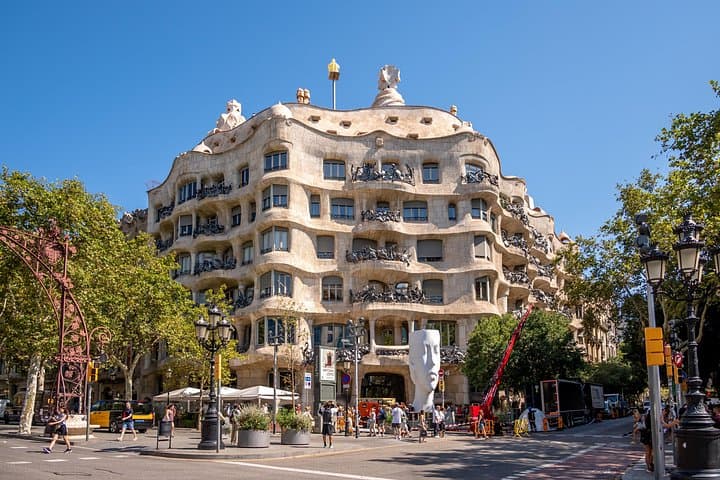
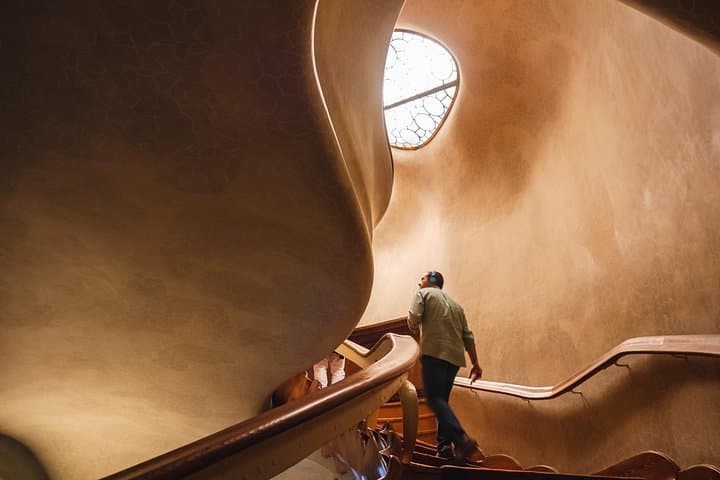
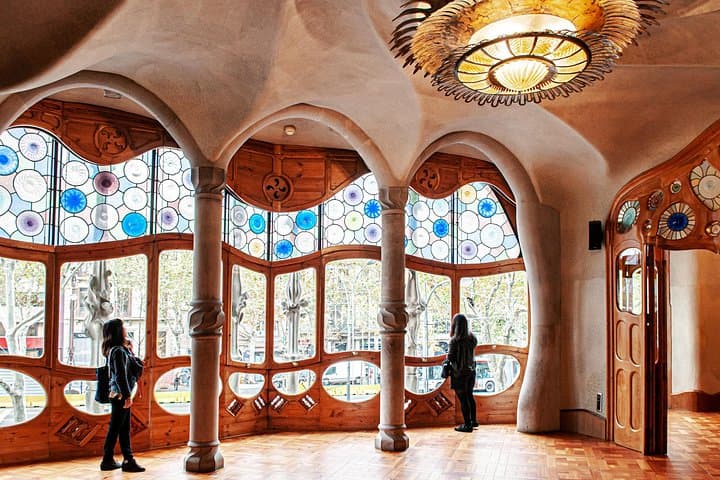
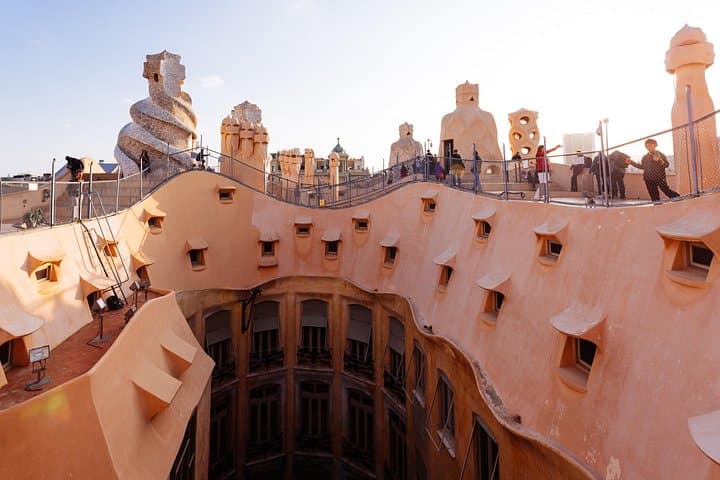
You step off Passeig de Gràcia and the city rearranges itself around Gaudí: curved balconies, iridescent tile, chimneys that look like sculpted sentries against the sky. The tour threads three distinct chapters of his work — the marine palette and dragon spine of Casa Batlló, the wind-sculpted stone and rooftop chimneys of Casa Milà (La Pedrera), and the vibrant, tile-heavy early experiment that is Casa Vicens — with stops long enough to read the details.
You step off Passeig de Gràcia and the city rearranges itself around Gaudí: curved balconies, iridescent tile, chimneys that look like sculpted sentries against the sky. The tour threads three distinct chapters of his work — the marine palette and dragon spine of Casa Batlló, the wind-sculpted stone and rooftop chimneys of Casa Milà (La Pedrera), and the vibrant, tile-heavy early experiment that is Casa Vicens — with stops long enough to read the details.
Barcelona’s Modernisme movement grew from local industry, Mediterranean light, and a fascination with organic form; Gaudí fused masonry, ceramics and ironwork into buildings that act like living machines. Casa Batlló and Casa Milà are UNESCO-listed for good reason: their structural inventiveness and decorative craftsmanship mark a turning point in architectural history. Casa Vicens shows the Moorish, Oriental and neoclassical threads that informed Gaudí’s earliest vocabulary.
Practically, the shared tour lasts about 2.5–3 hours with guided or audio options, fast-track entry on selected tickets, and short on-foot transfers (Passeig de Gràcia is walkable between Batlló and Milà; Casa Vicens may require an independent transfer if that option is selected). Expect stairs, uneven historic flooring, and concentrated crowds at peak times; bring comfortable shoes, a refillable bottle and ID if travelling with children. Check the meeting time and cancellation window (full refund if you cancel 24 hours ahead). A glass of cava is offered with certain ticket options — a small, celebratory pause after several hours of seeing stone and sky through Gaudí’s eye.