THE ADVENTURE COLLECTIVE® · Independent discovery and booking for outdoor travel

Board a small launch on Gatun Lake for a four-hour mix of Panama Canal history and wildlife watching at Monkey Island. Early departures increase your chances to see capuchins and howler monkeys while ships transit the Culebra Cut.
Board a small launch on Gatun Lake for a four-hour mix of Panama Canal history and wildlife watching at Monkey Island. Early departures increase your chances to see capuchins and howler monkeys while ships transit the Culebra Cut.
Morning mist lifts off Gatun Lake as a small launch slips from the dock and threads past a rust-streaked freighter. The boat hums across the wide, green surface; shorelines tighten into forested islands where capuchins and howlers patrol the canopy. Here the Panama Canal is not just steel and locks but a living corridor, and Monkey Island offers a front-row seat to both commerce and biodiversity.
Verified experiences and guided adventures in the surrounding area.
Operated by Dennis Roberts_19212 · Panama City, Panamá Province
Morning mist lifts off Gatun Lake as a small launch slips from the dock and threads past a rust-streaked freighter. The boat hums across the wide, green surface; shorelines tighten into forested islands where capuchins and howlers patrol the canopy. Here the Panama Canal is not just steel and locks but a living corridor, and Monkey Island offers a front-row seat to both commerce and biodiversity.
Gatun Lake was created in the early 20th century when engineers dammed the Chagres River to form a navigable expanse that made the canal possible. The lake’s geology is simple—river valley flooded by the Gatun Dam—but the ecological result is complex: secondary rainforest regenerates on islands and margins, attracting birds, reptiles, and primates. Local communities in the surrounding Panamá Province balance tourism, shipping traffic, and watershed protection, and operators often brief visitors on responsible viewing.
Expect four hours aboard, plenty of stop-and-watch time, and narration about the Culebra Cut and canal history. Wildlife sightings are opportunistic—early mornings or late afternoons raise your odds. Practical tips: bring sun protection, insect repellent, and a lightweight rain layer for tropical squalls; binoculars and a camera with zoom improve viewing.
On the water, stay seated when told, avoid feeding animals, and keep voices low to increase sightings. This is a low-impact way to experience the canal’s human achievement and the rainforest’s tenacity—where commerce slices the landscape and nature quietly reclaims the edges.
easy.
4 hours.
Minimal fitness required—sitting and short boarding steps; suitable for most travelers comfortable on boats.
The tour lasts about four hours, typically including lake transit, stops near Monkey Island, and interpretive narration about the canal.
Wildlife sightings are common but not guaranteed; early departures and quieter boats increase chances to see capuchins and howler monkeys.
Yes—operators note the tour is family-friendly with infant seats available; however infants must sit on laps and accessibility varies by boat.
Private transportation to the meeting point and bottled water are typically included; check your booking for specifics on pickup and any additional fees.
Gatun Lake was formed in 1913 when the Gatun Dam flooded the Chagres River valley, creating a freshwater passage that enabled the Panama Canal’s sea-level operations.
The lake is part of a critical watershed; operators emphasize no-feeding rules and staying on boats to limit human impact and protect shoreline regeneration.
Dennis Roberts_19212 operates guided outdoor trips and adventures with an emphasis on safety, stewardship, and memorable experiences.


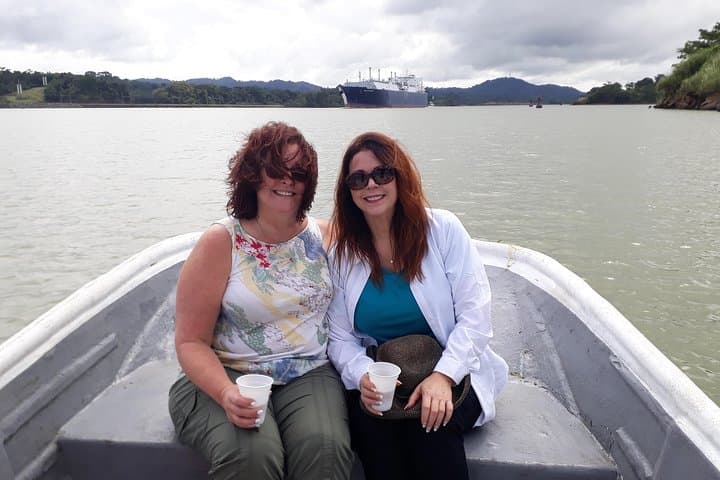

Morning mist lifts off Gatun Lake as a small launch slips from the dock and threads past a rust-streaked freighter. The boat hums across the wide, green surface; shorelines tighten into forested islands where capuchins and howlers patrol the canopy. Here the Panama Canal is not just steel and locks but a living corridor, and Monkey Island offers a front-row seat to both commerce and biodiversity.
Morning mist lifts off Gatun Lake as a small launch slips from the dock and threads past a rust-streaked freighter. The boat hums across the wide, green surface; shorelines tighten into forested islands where capuchins and howlers patrol the canopy. Here the Panama Canal is not just steel and locks but a living corridor, and Monkey Island offers a front-row seat to both commerce and biodiversity.
Gatun Lake was created in the early 20th century when engineers dammed the Chagres River to form a navigable expanse that made the canal possible. The lake’s geology is simple—river valley flooded by the Gatun Dam—but the ecological result is complex: secondary rainforest regenerates on islands and margins, attracting birds, reptiles, and primates. Local communities in the surrounding Panamá Province balance tourism, shipping traffic, and watershed protection, and operators often brief visitors on responsible viewing.
Expect four hours aboard, plenty of stop-and-watch time, and narration about the Culebra Cut and canal history. Wildlife sightings are opportunistic—early mornings or late afternoons raise your odds. Practical tips: bring sun protection, insect repellent, and a lightweight rain layer for tropical squalls; binoculars and a camera with zoom improve viewing.
On the water, stay seated when told, avoid feeding animals, and keep voices low to increase sightings. This is a low-impact way to experience the canal’s human achievement and the rainforest’s tenacity—where commerce slices the landscape and nature quietly reclaims the edges.