THE ADVENTURE COLLECTIVE® · Independent discovery and booking for outdoor travel

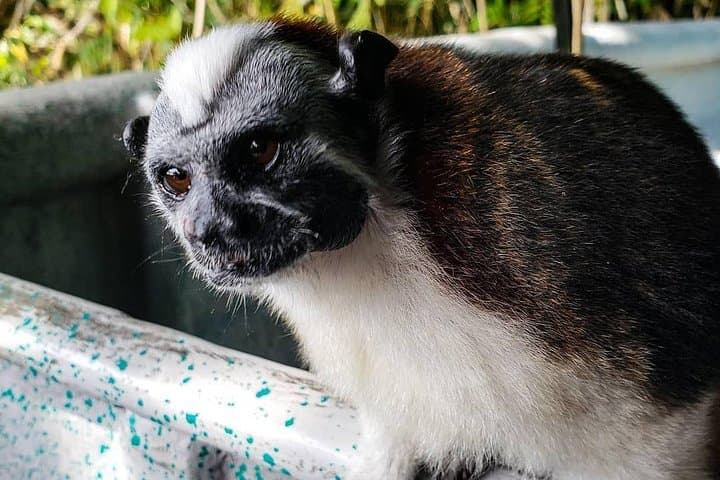
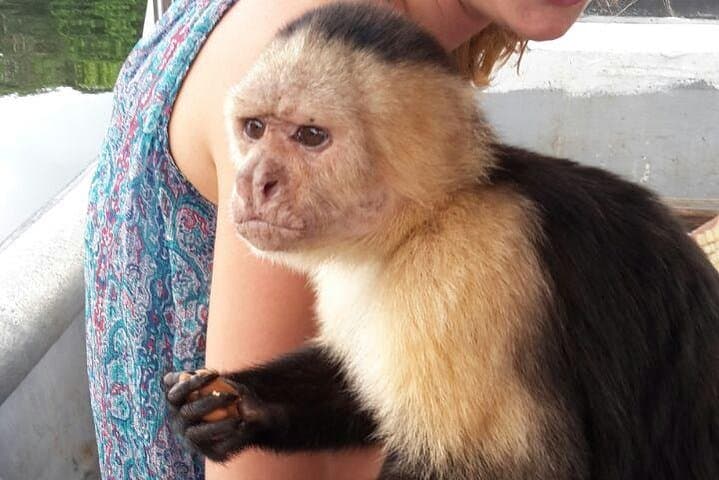
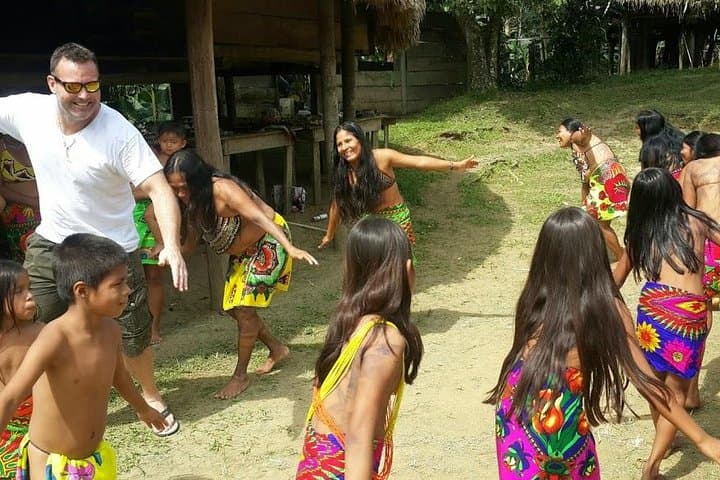
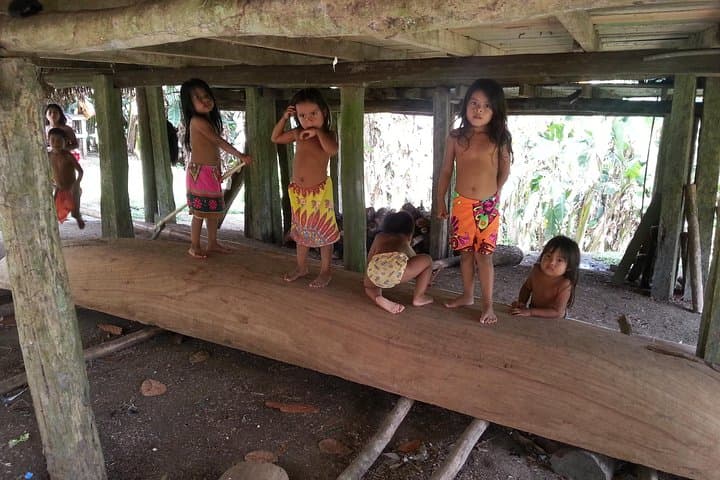
Spend a full day on Gatun Lake and in Soberanía National Park watching monkeys, birds and visiting an Emberá village. This combined boat-and-shore tour pairs canal history with close-up wildlife viewing and cultural exchange.
Spend a full day on Gatun Lake and in Soberanía National Park watching monkeys, birds and visiting an Emberá village. This combined boat-and-shore tour pairs canal history with close-up wildlife viewing and cultural exchange.
You push off from the canal-side dock and the motor coughs to life, the lake opening before you like a flat, slow-moving river that keeps secrets in its mangrove coves. Vines and tall ceiba trees lean toward the water as if listening; birds call, monkeys chatter, and the boat skims past drowned forest where the canal’s engineering drowned a valley and created Gatun Lake.
Verified experiences and guided adventures in the surrounding area.
Operated by Barefoot Panama Tours S.A. · Gamboa, Panamá Province
You push off from the canal-side dock and the motor coughs to life, the lake opening before you like a flat, slow-moving river that keeps secrets in its mangrove coves. Vines and tall ceiba trees lean toward the water as if listening; birds call, monkeys chatter, and the boat skims past drowned forest where the canal’s engineering drowned a valley and created Gatun Lake.
Gatun Lake was formed in the early 20th century when the Gatun Dam flooded the Chagres River valley to create the Atlantic entrance to the Panama Canal. The surrounding slopes are part of Soberanía National Park, a hot spot for tropical biodiversity along the continental divide and home to Emberá communities who maintain traditional crafts and river-based livelihoods.
On a typical full-day tour you’ll alternate quiet boat cruising for wildlife — keep an eye for three species of monkeys and a procession of wading birds — with a guided visit to an Emberá village where artisans demonstrate basketry and music. The terrain is flat around the lake but jungle paths can be muddy after rain; the air is thick and alive, and the forest seems to reach out, daring you to notice small details.
Practical notes: plan for a seven-hour day, bring binoculars, insect protection and sun-shielding layers, and expect boat transfers and short shoreline walks. Tours operate year-round but sightings vary with weather; respectful photography and following guide instructions keep wildlife and communities safe. This is a low-impact, accessible way to pair Panama’s engineered history with living culture and rainforest wildlife.
easy.
7 hours.
Suitable for most fitness levels; involves several hours sitting on a boat and short, flat shoreline walks.
Most tours include pickup from central Panama City hotels; confirm your pickup point at booking or meet at the arranged dock location.
Common sightings include howler and capuchin monkeys, toucans and various herons; sightings aren’t guaranteed but guides know productive areas.
Yes — the tour is rated easy, though children should be supervised and those with limited mobility should notify the operator about transfers and boat steps.
Yes, villagers often sell handmade baskets and beadwork; purchases support local families but always ask before photographing people.
Gatun Lake was created during Panama Canal construction in the early 1900s, transforming river valleys into the canal’s largest artificial lake and shaping regional ecology and transport.
Soberanía National Park protects corridor forest along the canal; visitors are asked to minimize noise, avoid feeding wildlife and dispose of waste properly to reduce impacts.
Barefoot Panama Tours S.A. operates guided outdoor trips and adventures with an emphasis on safety, stewardship, and memorable experiences.
You push off from the canal-side dock and the motor coughs to life, the lake opening before you like a flat, slow-moving river that keeps secrets in its mangrove coves. Vines and tall ceiba trees lean toward the water as if listening; birds call, monkeys chatter, and the boat skims past drowned forest where the canal’s engineering drowned a valley and created Gatun Lake.
You push off from the canal-side dock and the motor coughs to life, the lake opening before you like a flat, slow-moving river that keeps secrets in its mangrove coves. Vines and tall ceiba trees lean toward the water as if listening; birds call, monkeys chatter, and the boat skims past drowned forest where the canal’s engineering drowned a valley and created Gatun Lake.
Gatun Lake was formed in the early 20th century when the Gatun Dam flooded the Chagres River valley to create the Atlantic entrance to the Panama Canal. The surrounding slopes are part of Soberanía National Park, a hot spot for tropical biodiversity along the continental divide and home to Emberá communities who maintain traditional crafts and river-based livelihoods.
On a typical full-day tour you’ll alternate quiet boat cruising for wildlife — keep an eye for three species of monkeys and a procession of wading birds — with a guided visit to an Emberá village where artisans demonstrate basketry and music. The terrain is flat around the lake but jungle paths can be muddy after rain; the air is thick and alive, and the forest seems to reach out, daring you to notice small details.
Practical notes: plan for a seven-hour day, bring binoculars, insect protection and sun-shielding layers, and expect boat transfers and short shoreline walks. Tours operate year-round but sightings vary with weather; respectful photography and following guide instructions keep wildlife and communities safe. This is a low-impact, accessible way to pair Panama’s engineered history with living culture and rainforest wildlife.