THE ADVENTURE COLLECTIVE® · Independent discovery and booking for outdoor travel

Cruise Gatun Lake’s back channels and island forests on a short wildlife-and-history boat tour from Panama City. Expect close encounters with monkeys, abundant birdlife, and a concise primer on the lake’s role in the Panama Canal.
Cruise Gatun Lake’s back channels and island forests on a short wildlife-and-history boat tour from Panama City. Expect close encounters with monkeys, abundant birdlife, and a concise primer on the lake’s role in the Panama Canal.
A low-slung skiff parts the brown-green water of Gatun Lake and the morning fog peels away from the mangroves. From Panama City the road gives way to a corridor of palms and roadside villages before the boat slips into back channels where islands rise like green fortresses. The lake’s surface reflects a sky that shifts fast—sun one moment, rain the next—and the canopy answers with calls: howler monkeys long and resonant, toucans punctuating the air.
Verified experiences and guided adventures in the surrounding area.
Operated by Next Experience Travel · Panama City, Panamá Province
A low-slung skiff parts the brown-green water of Gatun Lake and the morning fog peels away from the mangroves. From Panama City the road gives way to a corridor of palms and roadside villages before the boat slips into back channels where islands rise like green fortresses. The lake’s surface reflects a sky that shifts fast—sun one moment, rain the next—and the canopy answers with calls: howler monkeys long and resonant, toucans punctuating the air.
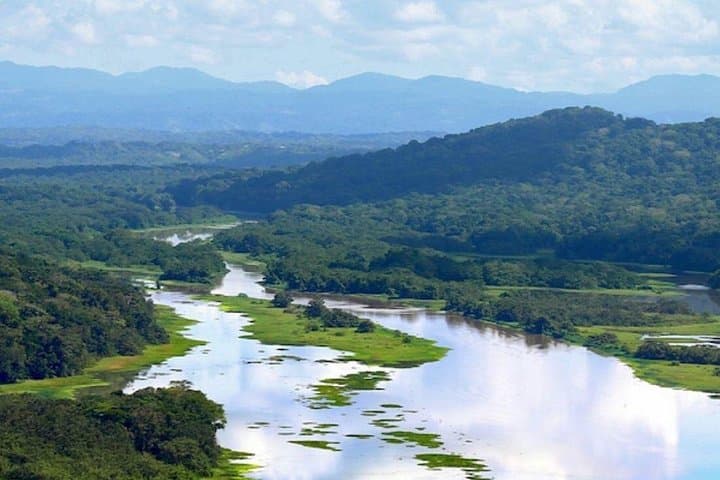
Gatun Lake was created during the Panama Canal construction in 1913 when the Chagres River was dammed to form a navigable waterway. Geologically recent and engineered, the lake’s islands are former hilltops that now support mature tropical forest. The area has attracted filmmakers and researchers; Animal Planet, National Geographic and others have documented its dense wildlife and critical role in the Canal’s operation.
Culturally, the route passes communities tied to river transport and Canal logistics; guides often share local stories about the Canal’s builders and Afro-Antillean and indigenous influences in the region. Expect narrow channels, exposed roots, and sudden clearings where herons and caimans watch the boat pass.
Practical guidance: the trip is low‑impact and accessible to most travelers but bring waterproof layers and binoculars. Sun protection and insect repellent are necessary; mornings are best for bird and mammal sightings. Boats make short stops at sober observation points—keep distance from wildlife and follow the guide’s instructions. Transfers are generally door-to-door from Panama City hotels and cruise terminals, and total outing time is roughly 3–3.5 hours including transfers.
easy.
3–3.5 hours.
Suitable for most fitness levels; requires short periods seated and minimal walking for boarding.
Total tour time is about 3–3.5 hours including transfers; most departures include roundtrip pickup from Panama City hotels and cruise terminals.
Sightings are common—howler and capuchin monkeys, toucans, herons and caimans are frequently seen—but wildlife is not guaranteed and is best observed in morning outings.
Yes; the cruise is low-impact and accessible, though boarding can require stepping up into the boat—notify operators of mobility concerns before booking.
The tour advertises a full refund if your cruise ship does not call at the port; provide your ship name and docking time at booking to confirm pickup logistics.
Gatun Lake was formed in 1913 when the Chagres River was dammed as part of the Panama Canal project; many islands are former hilltops left isolated by the rising water.
The lake’s forests support biodiversity but are sensitive to boat disturbance and pollution; stick to marked approaches, avoid littering, and choose operators that practice responsible wildlife viewing.
Next Experience Travel operates guided outdoor trips and adventures with an emphasis on safety, stewardship, and memorable experiences.
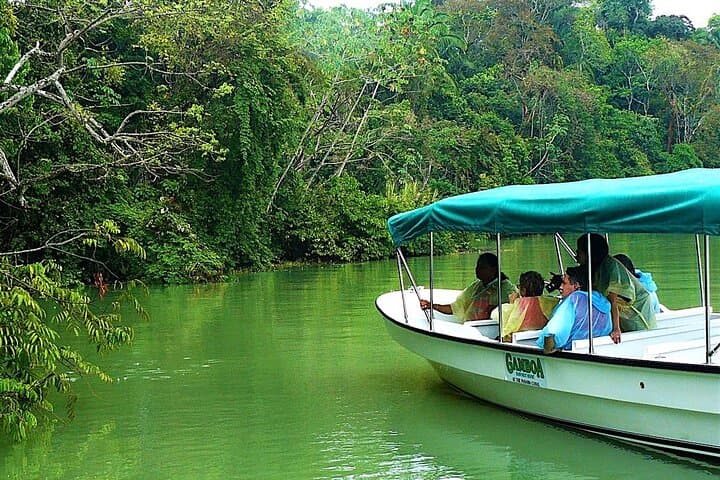
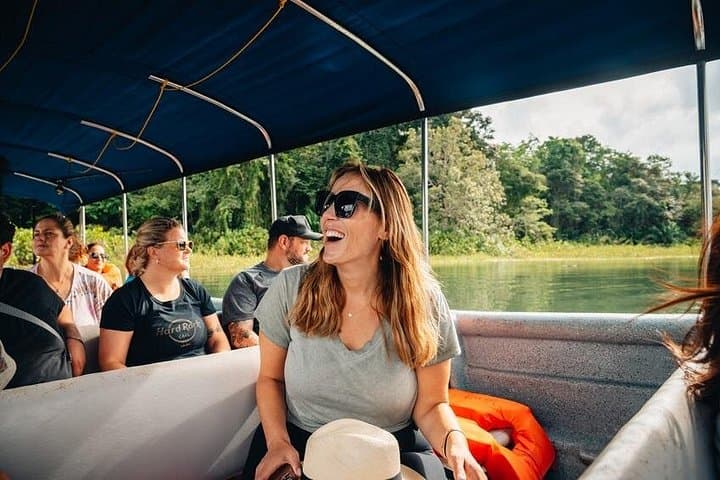
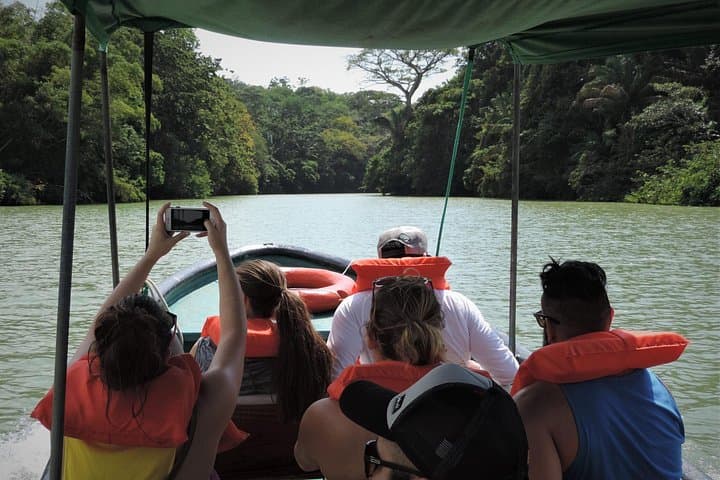
A low-slung skiff parts the brown-green water of Gatun Lake and the morning fog peels away from the mangroves. From Panama City the road gives way to a corridor of palms and roadside villages before the boat slips into back channels where islands rise like green fortresses. The lake’s surface reflects a sky that shifts fast—sun one moment, rain the next—and the canopy answers with calls: howler monkeys long and resonant, toucans punctuating the air.
A low-slung skiff parts the brown-green water of Gatun Lake and the morning fog peels away from the mangroves. From Panama City the road gives way to a corridor of palms and roadside villages before the boat slips into back channels where islands rise like green fortresses. The lake’s surface reflects a sky that shifts fast—sun one moment, rain the next—and the canopy answers with calls: howler monkeys long and resonant, toucans punctuating the air.
Gatun Lake was created during the Panama Canal construction in 1913 when the Chagres River was dammed to form a navigable waterway. Geologically recent and engineered, the lake’s islands are former hilltops that now support mature tropical forest. The area has attracted filmmakers and researchers; Animal Planet, National Geographic and others have documented its dense wildlife and critical role in the Canal’s operation.
Culturally, the route passes communities tied to river transport and Canal logistics; guides often share local stories about the Canal’s builders and Afro-Antillean and indigenous influences in the region. Expect narrow channels, exposed roots, and sudden clearings where herons and caimans watch the boat pass.
Practical guidance: the trip is low‑impact and accessible to most travelers but bring waterproof layers and binoculars. Sun protection and insect repellent are necessary; mornings are best for bird and mammal sightings. Boats make short stops at sober observation points—keep distance from wildlife and follow the guide’s instructions. Transfers are generally door-to-door from Panama City hotels and cruise terminals, and total outing time is roughly 3–3.5 hours including transfers.